
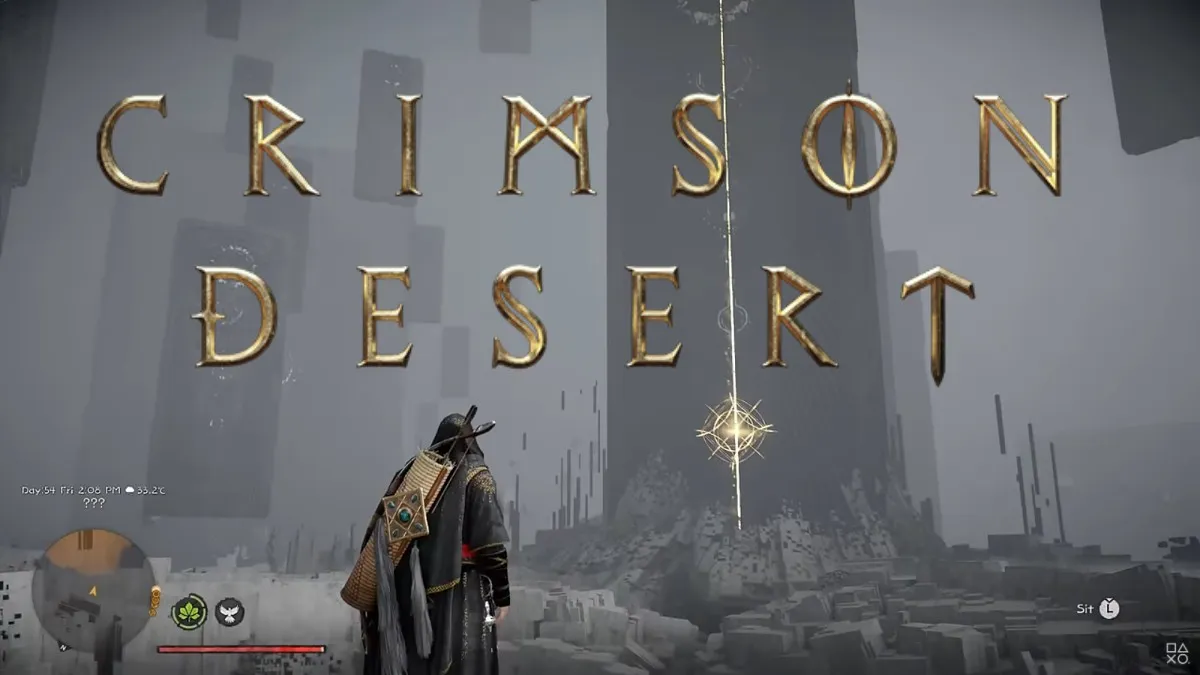
Updated 24/05/2026: Crimson Desert is no longer just another flashy trailer people argued about on YouTube. The game is finally here, and now that players have actually spent time inside Pearl Abyss’s massive fantasy world, the conversation has shifted from “this looks amazing” to something much more important for PC gamers:
“Can normal gaming PCs actually handle this thing properly?”
Because honestly, Crimson Desert feels like one of the clearest examples yet of where modern AAA gaming is heading. Bigger worlds. More physics. More cinematic effects. More environmental simulation. More streaming pressure. More CPU load. More GPU stress. More everything.
And while all of that absolutely creates some jaw-dropping moments, it also creates serious pressure on weaker gaming rigs. This is not one of those games where you casually fire it up on a dusty old HDD and pretend everything is fine while your frametime graph quietly commits war crimes in the background.
Pearl Abyss clearly wanted Crimson Desert to feel huge, alive, chaotic, cinematic, and physically reactive. In many ways, they succeeded. But now the real test begins, whether the game’s technical ambition actually holds together once normal players start throwing real-world hardware at it.
Quick Answer
Crimson Desert is one of the most technically demanding open-world games currently available on PC. The game heavily stresses CPUs during traversal and large-scale combat, while dense environments, particle-heavy battles, and high streaming demands can pressure GPUs, RAM, and storage systems hard, especially on older hardware.
If your PC already struggles in games like Cyberpunk 2077, Dragon’s Dogma 2, Starfield, or Hogwarts Legacy, you should expect compromises here too. SSD storage feels increasingly mandatory, 8GB RAM systems are starting to suffer, and older quad-core CPUs may experience stutter during busy encounters and traversal-heavy sequences.
How Crimson Desert Actually Runs on Real PCs
The first thing most players notice is that Crimson Desert feels incredibly heavy during movement. Not necessarily “bad” heavy, but modern open-world simulation heavy. The game constantly streams environments, updates physics systems, manages NPC activity, processes lighting changes, handles particles, and loads huge amounts of environmental detail simultaneously.
That means the game often becomes CPU-limited before many players expect.
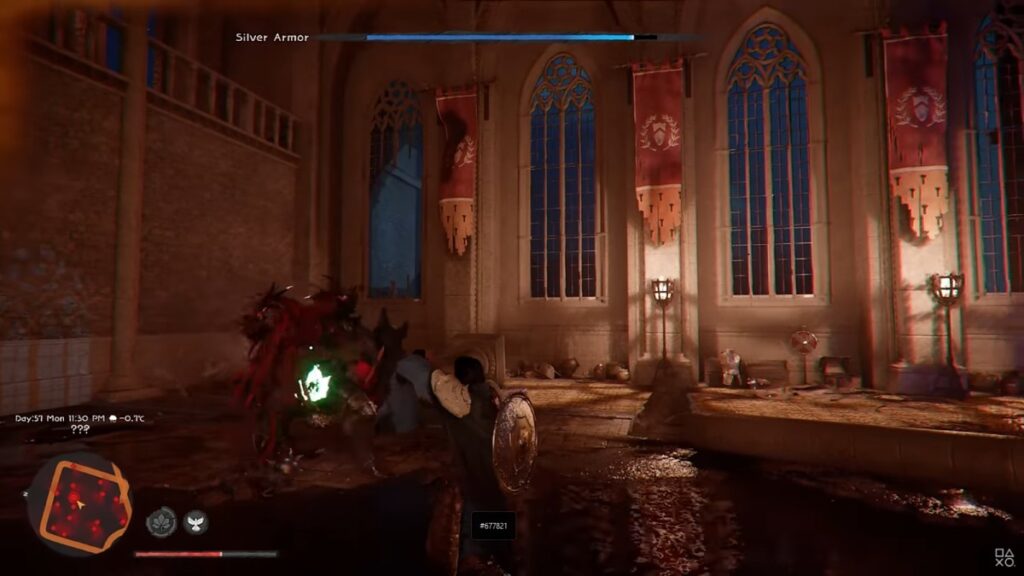
Large open-world games used to mainly punish GPUs. Modern games like Crimson Desert punish entire systems.
Dense towns, environmental destruction, cinematic combat sequences, weather effects, and rapid traversal can all create sudden spikes in CPU load and frametime instability. This is especially noticeable on older quad-core processors and lower-end Ryzen chips.
And here is the frustrating part for many gamers:
You can technically have “playable FPS” while the game still feels rough.
That usually comes down to frametime consistency and stutter, not just average frame rate numbers. If you have ever wondered why games can feel terrible even when the FPS counter looks acceptable, our guide on why games stutter on low-end PCs explains the real problem.
The game also appears heavily dependent on fast storage streaming. Traditional hard drives struggle badly in large traversal-heavy environments like this. Delayed texture loading, hitching, and streaming pauses become much more obvious once the world starts rapidly loading assets around the player.
If you are unsure whether your bottleneck is actually your CPU or GPU, read our guide on how to tell whether your CPU or GPU is the real problem.
Why Weak PCs Might Struggle With Crimson Desert
Crimson Desert feels like another warning sign for older gaming hardware.
Not because the game is “poorly made,” but because modern AAA development is increasingly built around faster CPUs, faster SSDs, more VRAM, and larger memory pools.
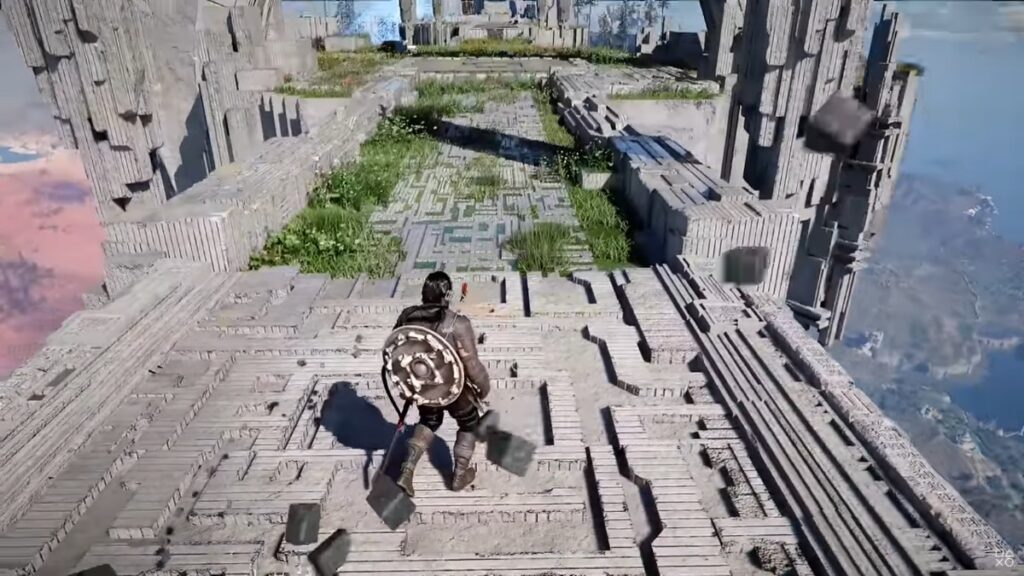
If you are still gaming on hardware like:
- GTX 1060
- RX 580
- Quad-core Intel CPUs
- First-generation Ryzen chips
- 8GB RAM
- Traditional HDD storage
…you are probably going to feel pressure here.
And the scary part is that Crimson Desert may actually get heavier over time depending on future updates, texture packs, graphical additions, and DLC content.
The game’s world is constantly doing work in the background. NPC activity, weather systems, particles, physics calculations, environmental interactions, and traversal streaming all stack together into one giant system load.
This is exactly why some players experience:
- Sudden frametime spikes
- Microstutter during movement
- CPU usage spikes
- Asset streaming hitching
- VRAM instability
- Memory pressure over long play sessions
If your game performance gets worse the longer you play, memory management may be the issue. Our guide on why games slowly consume too much RAM explains why this happens.
And if you still think SSDs only improve loading screens, Crimson Desert is exactly the kind of game proving otherwise. Here is the truth about whether SSDs actually improve gaming performance.
The Optimization Situation Right Now
The good news is that Crimson Desert launched in better shape than many gamers feared.
That sounds like a weird compliment in modern AAA gaming, but honestly, expectations are pretty damaged right now after years of rough PC launches filled with shader compilation stutter, broken traversal systems, VRAM disasters, and unstable frame pacing.
Pearl Abyss avoided total catastrophe here.
But the game is definitely not flawless.
Players are still reporting:
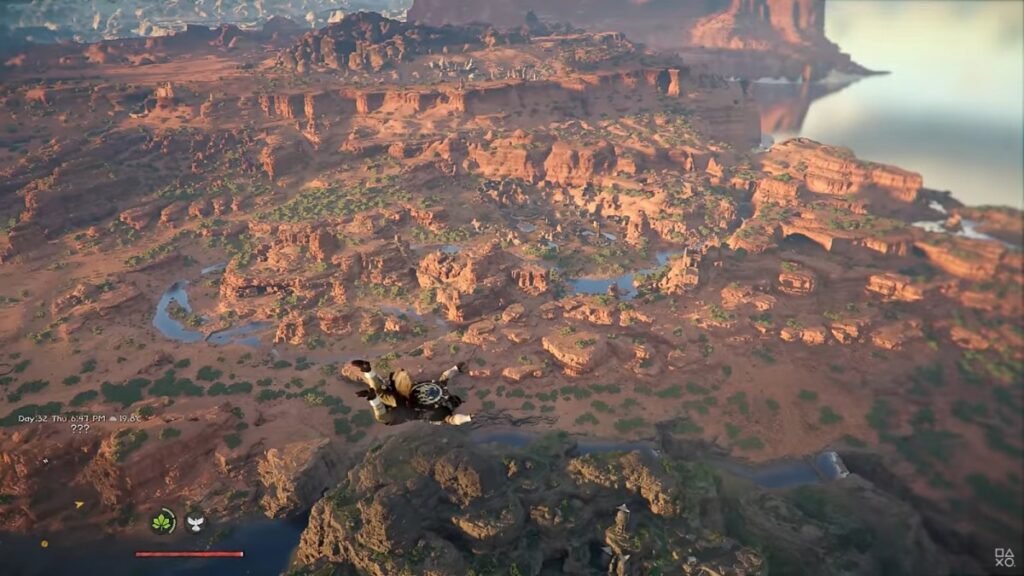
- Traversal stutter in dense areas
- CPU spikes during larger battles
- Heavy GPU pressure during weather effects
- VRAM strain at higher settings
- Frame pacing inconsistency during rapid movement
- Occasional hitching during streaming transitions
And honestly, none of this is surprising anymore. Modern open-world games increasingly feel like giant stress tests disguised as entertainment software.
One important thing Crimson Desert gets right, though, is spectacle. The visual ambition actually feels meaningful instead of purely cosmetic. The world genuinely feels alive during larger combat encounters and traversal moments.
The problem is that weaker systems may spend more time fighting stability than enjoying the atmosphere.
If your CPU suddenly shoots to 100% usage during modern games, our guide on high CPU usage while gaming explains what may actually be happening.
And if you want to properly monitor temperatures, frametimes, clocks, bottlenecks, and system behavior without guessing, read our guide on monitoring PC performance the right way.
Gameplay, Combat, and Exploration
Crimson Desert absolutely understands spectacle.
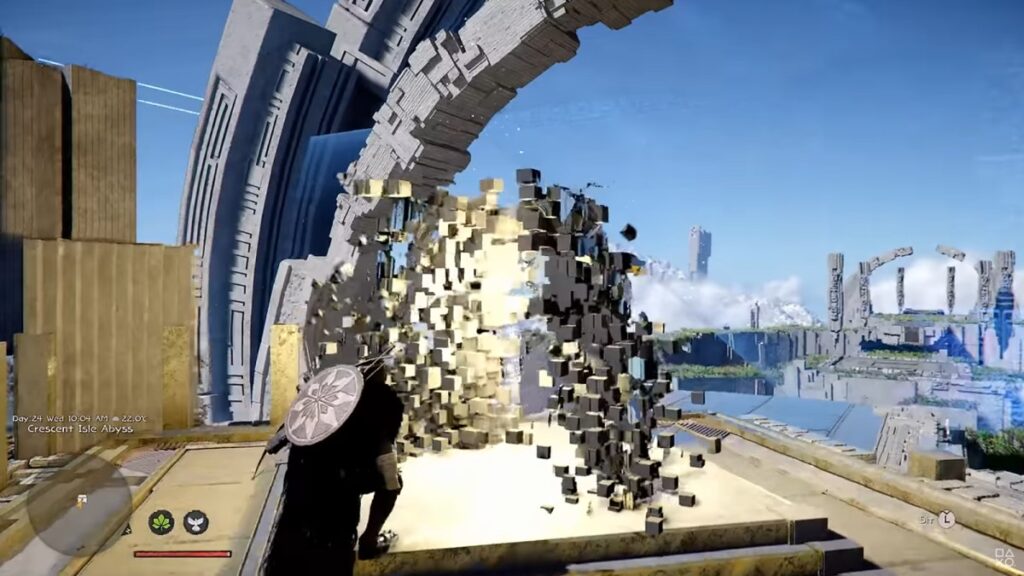
The combat system feels fast, cinematic, chaotic, and intentionally over-the-top. Huge hit reactions, launchers, particle explosions, physics interactions, environmental destruction, and rapid camera movement create fights that sometimes feel closer to an action movie than a traditional RPG.
When everything clicks together, the game looks ridiculous in the best possible way.
But this is also where weaker systems can start struggling hard.
Large-scale combat encounters can suddenly flood the screen with effects, particles, physics calculations, lighting interactions, and animation processing simultaneously. That creates huge GPU load spikes while also hammering CPUs during busy scenes.
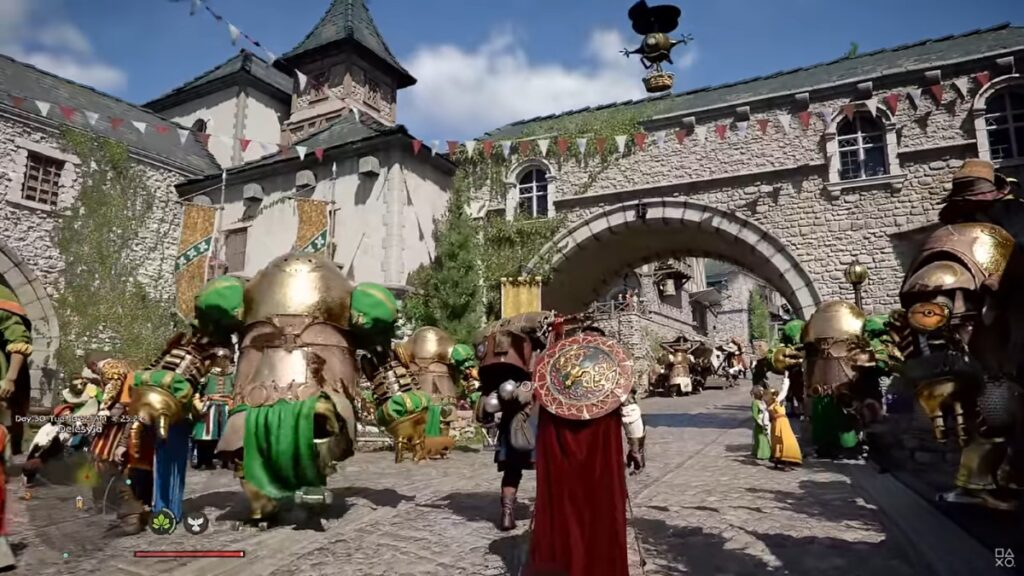
The exploration systems are equally ambitious.
Climbing, gliding, horseback traversal, environmental traversal, skydiving, and open-world movement all combine into a giant “go anywhere” fantasy. The world constantly encourages players to experiment with movement and approach angles.
And honestly, that freedom is one of Crimson Desert’s strongest features.
But again, all of this freedom comes with technical consequences. The faster the player moves through the world, the more aggressively the game needs to stream assets, update environments, and manage background simulation systems.
This is becoming the new reality of AAA gaming. Open worlds are no longer just “large maps.” They are increasingly simulation-heavy systems constantly hammering your hardware behind the scenes.
If you want examples of other games pushing PCs similarly hard, our coverage of GTA VI PC performance expectations and Doom: The Dark Ages PC requirements shows how quickly modern hardware demands are escalating.
What Hardware Actually Helps in Crimson Desert
One of the biggest mistakes gamers still make is assuming a giant GPU upgrade automatically fixes everything.
Crimson Desert feels far more balanced-system dependent than many players expect.
CPU Upgrades Matter More Than You Think
Modern open-world games increasingly punish weaker processors.
Rapid traversal, NPC simulation, environmental systems, physics calculations, and streaming architecture all create huge CPU pressure. That means upgrading from an older quad-core processor can sometimes improve smoothness more than simply buying a faster graphics card.
If you are unsure what component deserves priority first, our guide on what to upgrade first on a low-end PC breaks it down clearly.
SSD Storage Is Quietly Becoming Mandatory
Crimson Desert is exactly the type of game exposing the limitations of traditional hard drives. Large traversal-heavy worlds need fast asset streaming. HDDs increasingly struggle to keep up with modern game engines trying to rapidly pull world data into memory.
If you are still gaming on an HDD in 2026, this might be the moment you finally feel the pain properly. Here are our recommendations for the best NVMe SSDs for gaming.
8GB VRAM Is Starting to Feel Uncomfortable
Modern open-world games are becoming increasingly aggressive with texture streaming, lighting systems, asset density, and environmental detail. That does not instantly kill 8GB cards. But it does mean settings management is becoming much more important than it used to be.

Our full breakdown on whether 8GB VRAM is still enough for modern gaming explains why this debate is getting louder every year.
What Settings Weak PCs Should Probably Target
If you are trying to run Crimson Desert on older or weaker hardware, your goal should not be “Ultra settings at all costs.” Your goal should be stable frametimes and consistent gameplay.
Modern open-world games often become far more enjoyable once you stop chasing maximum graphics presets and start targeting smoother overall performance instead. For weaker gaming PCs, these settings will likely matter the most:
Lower Shadow Quality First
Shadows are usually one of the biggest hidden performance killers in large open-world games. Crimson Desert’s environments use heavy lighting and large-scale scenery, which means high shadow settings can hammer both GPUs and CPUs during traversal and combat.
Dropping shadows from Ultra to Medium may barely change visuals during gameplay while giving weaker systems noticeably smoother performance.
Use DLSS, FSR, or XeSS Carefully
Upscaling technologies can absolutely help weaker GPUs survive modern games, but they are not magic fixes. Aggressive upscaling modes may improve FPS while also creating blur, shimmering, ghosting, or unstable image quality during fast movement.
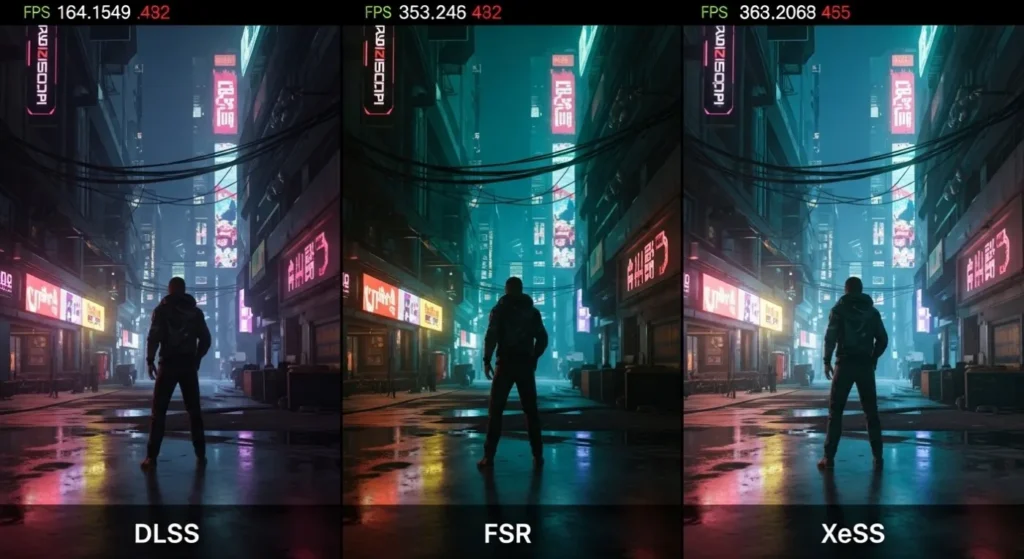
If available, Balanced mode is often the smartest compromise for weaker systems. Our guide on DLSS vs FSR vs XeSS explains why raw FPS gains are not the whole story.
Volumetric Effects and Particles Can Destroy Performance
Crimson Desert loves cinematic weather, particles, smoke, magic effects, and environmental chaos. Unfortunately, those effects can become brutal on weaker GPUs during larger fights.
Lowering volumetrics and particle density may dramatically improve stability during combat-heavy sections.
Texture Settings Depend More on VRAM Than Raw GPU Power
If your graphics card only has 8GB VRAM, max texture settings may create hitching, delayed loading, or VRAM overflow problems in larger areas.

Medium or High textures are often the smarter long-term choice for weaker cards instead of blindly maxing everything out.
Our breakdown on whether 8GB VRAM is still enough explains why this issue is becoming increasingly common.
SSD Storage Matters More Than Many Players Realize
If Crimson Desert is installed on a traditional hard drive, no graphics setting in the world will fully solve traversal hitching caused by slow asset streaming. Modern AAA games increasingly expect SSD-level streaming speeds.
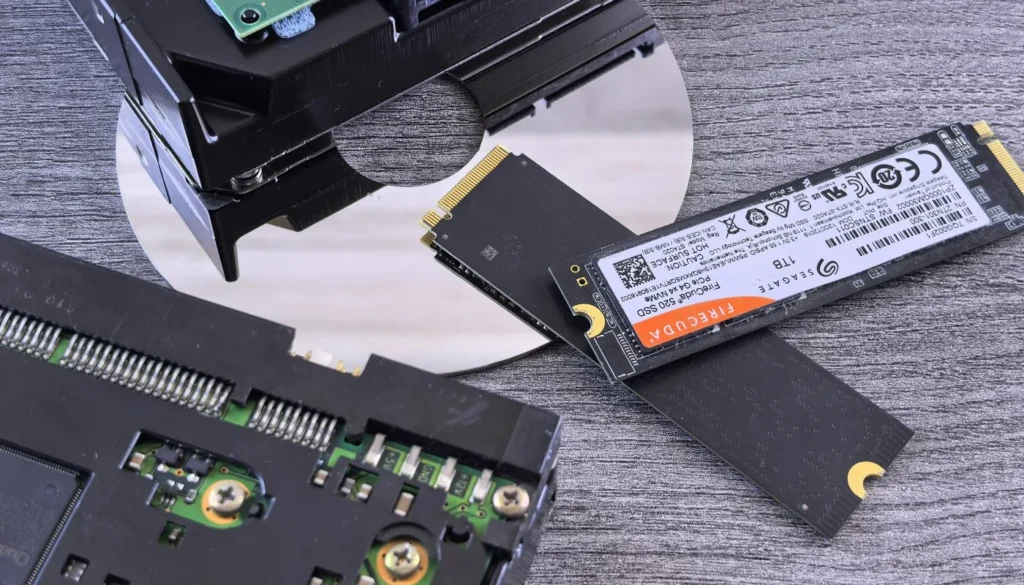
If your game constantly stutters while moving through the world, storage speed may genuinely be part of the problem.
Here is the reality about whether faster SSDs actually improve gaming performance.
Stable Frametime Is More Important Than Maximum FPS
A stable 50–60 FPS experience usually feels far better than wildly fluctuating FPS jumping between 40 and 90 constantly.
Sometimes capping your FPS slightly lower can actually make gameplay feel smoother overall, especially on weaker systems struggling with sudden spikes.
Our guide on why capped FPS can feel smoother than unlimited FPS explains why this happens.
Crimson Desert Is Another Reminder That Modern AAA Games Are Leaving Older PCs Behind
This is the uncomfortable truth many PC gamers are slowly realizing.
Modern AAA gaming is increasingly built around:
- Fast SSDs
- Higher VRAM budgets
- Stronger CPUs
- Larger memory pools
- Aggressive streaming systems
- Heavy simulation architecture
And while minimum specs technically allow older hardware to “run” many of these games, the actual experience often feels rough, unstable, inconsistent, or compromised.
Crimson Desert feels like another major step in that direction.
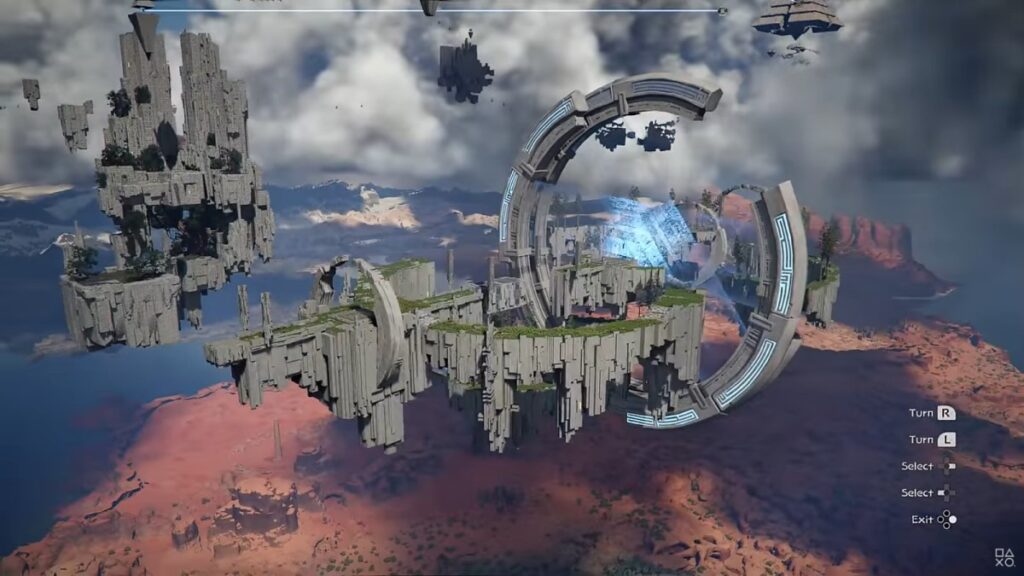
The game is gorgeous. The world feels alive. The combat is cinematic. The traversal systems are ambitious.
But weaker PCs increasingly feel like they are fighting the game engine itself.
This is exactly why BuiltToFrag focuses so heavily on practical fixes, smart upgrades, and realistic hardware expectations instead of fake benchmark fantasy.
If you are trying to keep older hardware alive without wasting money, our guides on cheap gaming upgrades that actually improve FPS and smart upgrades for weak systems are good places to start.
Should Weak PC Gamers Wait?
Honestly? For many players, probably yes.
If your system already struggles in modern open-world games, waiting for additional patches, optimization improvements, driver updates, and community performance fixes may be the smartest move.

Crimson Desert absolutely has the potential to become one of the most impressive fantasy open-world games of this generation. The scale is huge, the combat is spectacular, and the world design is genuinely ambitious.
But this also feels like one of those games where weak systems may spend more time fighting frametimes than enjoying exploration.
And that matters.
Because once performance problems start distracting you during traversal, combat, loading transitions, or cinematic moments, the magic starts breaking apart very quickly.
If you are planning upgrades specifically for games like this, our guides on the best value GPUs for 1080p and 1440p gaming and building a strong mid-range gaming PC are good places to start.
Final Thoughts
Crimson Desert absolutely looks like the future of modern open-world spectacle.
The world is massive. The combat is chaotic. The environmental systems are ambitious. The traversal mechanics are flashy and fun. And when everything works together properly, the game creates some genuinely incredible moments.
But weak PC gamers should stay cautious.
Because underneath all the cinematic fantasy chaos sits another brutally demanding modern AAA game pushing CPUs, GPUs, RAM, storage systems, and frametime stability harder than ever.
And after years of rough PC launches, most gamers are no longer asking:
“Does it look good?”
Now they are asking:
“Will my PC survive it?”
For Crimson Desert, that question matters a lot.