


New CPUs launch every quarter, but let’s be real, most “best gaming CPUs” lists are just shinier ways to burn your budget. In 2026, the real question still isn’t “what’s the fastest?” It’s “what’s actually worth paying for?”
This guide skips the gravy train and gets straight to CPUs that deliver real-world gaming value. Whether you’re sticking with reliable AM4, stepping into AM5, or navigating Intel’s endless i5 and i9 naming soup, these are the CPUs that still make sense. If you’re planning a full build and not just a CPU swap, check out our How to Pick PC Parts That Actually Fit and Perform guide first.
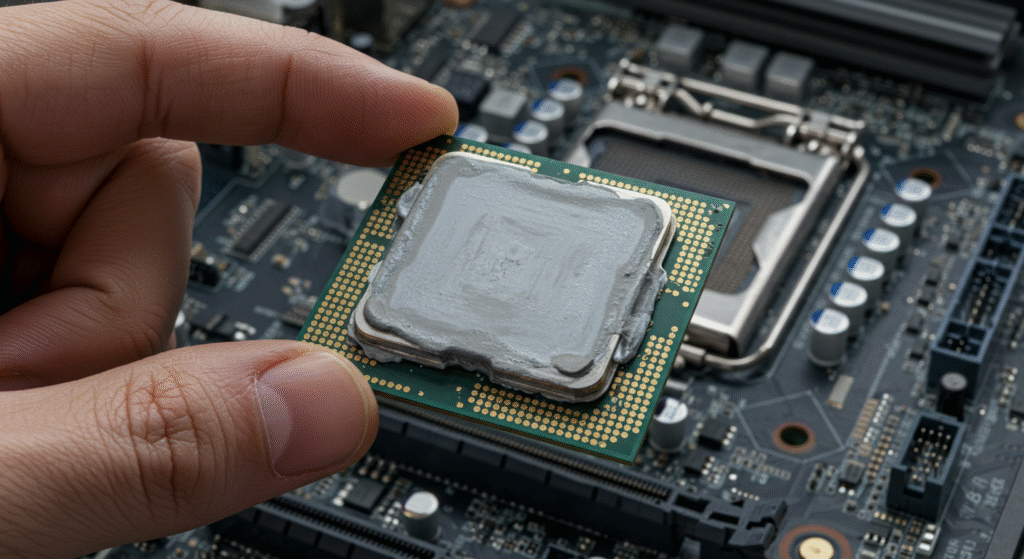
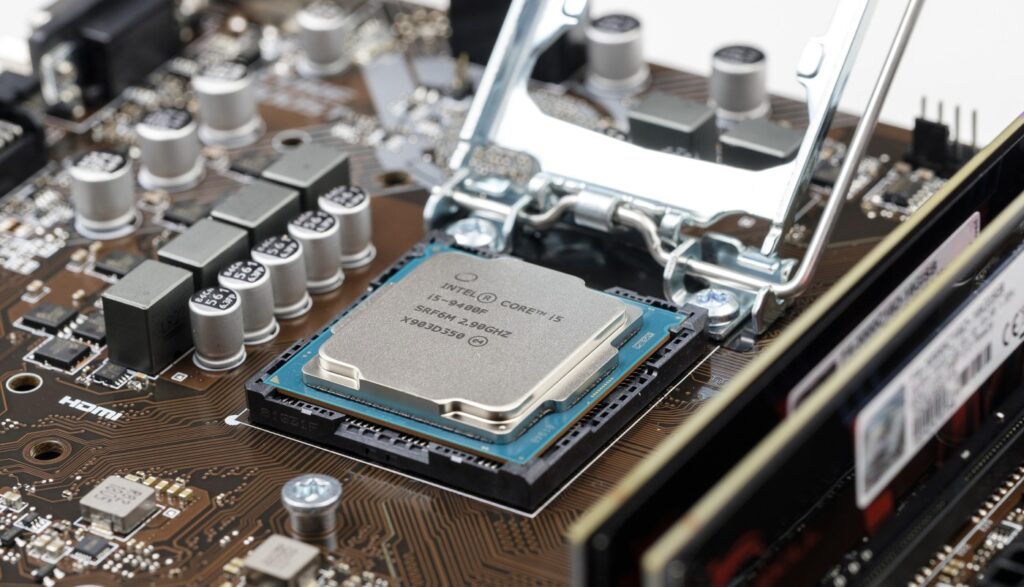
Inspect your CPU for damage before installing it.
AM4 should have died years ago. Instead, it keeps refusing to leave, and budget gamers are better off for it. CPUs like the Ryzen 5 5600, 5600X, and especially the 5800X3D are still excellent for 1080p and 1440p gaming in 2026.
You get mature BIOS support, cheap DDR4 memory, and zero platform drama. The later 5600X3D launch only reinforced how much life AMD squeezed out of this socket. If you already own an AM4 motherboard, there is still very little reason to upgrade platforms unless you’re chasing benchmark charts instead of smoother gameplay.
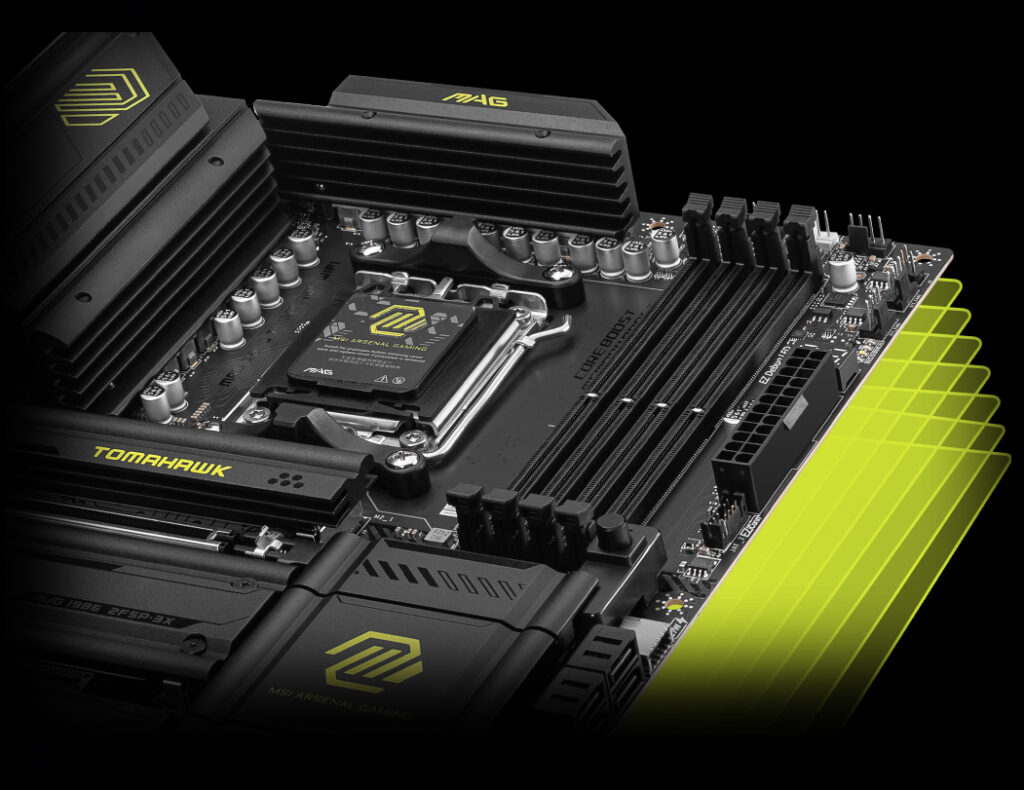
The Ryzen 7 7800X3D remains the gold standard for pure gaming performance. Frame consistency, low power draw, and excellent thermals keep it near the top even as newer CPUs arrive.
The catch hasn’t changed. AM5 motherboards and DDR5 memory still cost noticeably more than mature AM4 setups. You do get PCIe 5.0 and a longer upgrade path, but most gamers won’t touch those benefits for years. If you’re building brand new and want the best gaming-focused chip available, the 7800X3D earns its reputation. If you’re upgrading an existing system, the price jump still hurts.
This is the “do-everything” tier. Streaming, editing, compiling, running absurd numbers of browser tabs, and still gaming at high refresh rates. The 7950X3D leans on massive cache and efficiency, while Intel’s i9-14900K doubles down on raw clock speed and power draw.
Intel’s chip still dominates short benchmark bursts, but the efficiency gap is hard to ignore. For gaming-first users, both are unnecessary. For hybrid creators who also game, the 7950X3D remains the smarter long-term pick with far saner power consumption.

AMD squeezed every last drop out of AM4.
The 5600X3D never made headlines, but it quietly became one of the best value gaming CPUs available. V-Cache plus AM4 compatibility is a lethal combo for budget and mid-range builds.
In real games, it often trades blows with the 5800X3D at 1080p and 1440p. If you’re refreshing an older system, this remains one of the smartest drop-in upgrades available. Just update your BIOS first.
Ryzen 5 5600 vs Intel Core i5-13400F
The Ryzen 5 5600 continues to be the safe AM4 default: affordable, unlocked, and reliable. Intel’s i5-13400F brings hybrid cores and stronger multi-threaded performance, making it more versatile for mixed workloads.
In gaming, the difference is usually negligible, especially with mid-range GPUs. CPU-heavy titles with dense cities or complex AI, like Kingdom Come Deliverance 2, can expose weaker cores, but both CPUs remain perfectly playable choices.
Yes, but selectively. Games that are CPU-bound, simulation-heavy, or rely on large world states benefit massively. MMOs, open-world RPGs, and high-refresh competitive shooters love cache.
Not every game cares. Esports titles with lightweight engines and indie games won’t show meaningful gains. V-Cache is powerful, but only if your games can actually use it.
Modern boards add cost fast, plan accordingly.
A CPU upgrade is never just a CPU. AM4 is officially done but remains cheap and stable. AM5 has a future but demands upfront investment. Intel’s LGA1700 sits awkwardly in the middle, with upcoming platform changes likely to shorten its lifespan.
If you’re planning a mid-range gaming PC, prioritize value today over vague promises of tomorrow.
| Tier | CPU | Why It Makes Sense |
|---|---|---|
| Budget | Ryzen 5 5600 / Intel i5-13400F | Affordable, still excellent for 1080p |
| Sleeper | Ryzen 5 5600X3D | V-Cache performance without AM5 pricing |
| Sweet Spot | Ryzen 7 5800X3D / 7800X3D | Outstanding gaming performance per watt |
| Flagship | Ryzen 9 7950X3D | Elite gaming plus serious productivity |
| Overkill | Intel i9-14900K | Maximum clocks, maximum power draw |
Is the Ryzen 5800X3D still worth it?
Yes. It remains one of the best gaming CPUs for anyone staying on AM4.
Can a Ryzen 5 5600 handle an RTX 4060?
Easily. Great 1080p and solid 1440p performance.
Do I need DDR5 for gaming in 2026?
No. It’s improving, but still optional for most gamers.
Will the i5-13400F bottleneck a 4070?
Only slightly in CPU-heavy titles.
Best overall value CPU right now?
Ryzen 5 5600X3D for AM4, Ryzen 7 7800X3D for new builds.
Bonus: For readers who want deeper benchmark context, both PC Gamer’s ongoing CPU testing and Tom’s Hardware’s CPU hierarchy provide regularly updated performance data across multiple resolutions and game engines. Use them as reference points, but remember that real-world value depends just as much on platform cost, cooling, and the games you actually play.

Most thermal paste guides obsess over patterns and brands. This one explains the techniques that actually lower CPU temps, and…

If you keep losing in EA FC, it’s probably not your reflexes or players. This guide explains the beginner mistakes…
Do faster SSDs actually improve FPS, or do they just shorten load times? This guide explains what SSD speed really…

A no-nonsense RAM buying guide for gamers. Learn which DDR4 and DDR5 RAM kits are worth buying, and which specs…












This Post Has One Comment
Hi Bud, And thank you so much for the positive feedback. Yes I do have an X account, Its a work in progress though as our main socials are Facebook and Instagram here is the link to twitter https://x.com/BuiltToFrag