

Updated 03/06/2026
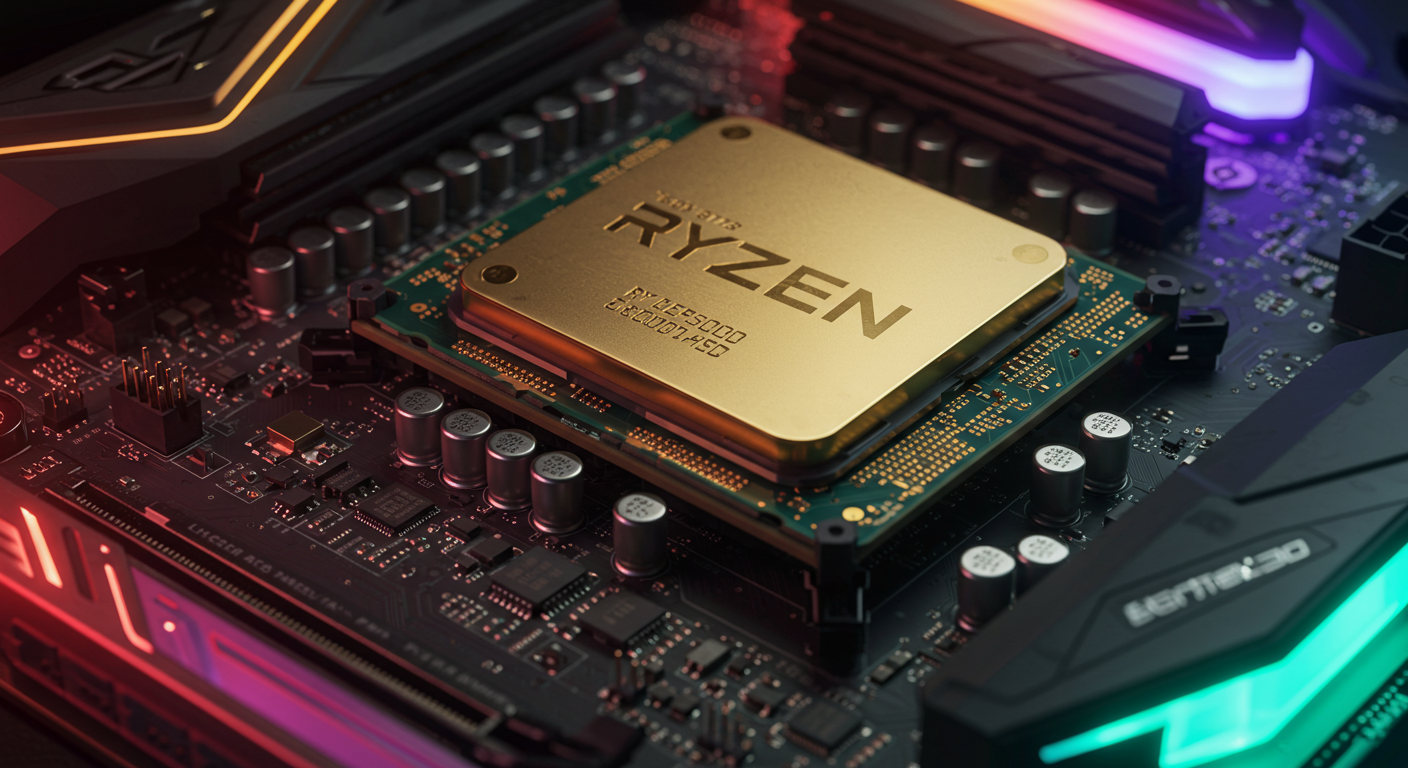
New CPUs launch every quarter, but let’s be real, most “Best Value Gaming CPUs in 2026” lists are just shinier ways to burn your budget. In 2026, the real question still isn’t “what’s the fastest?” It’s “what’s actually worth paying for?”
This guide skips the gravy train and gets straight to CPUs that deliver real-world gaming value. Whether you’re sticking with reliable AM4, stepping into AM5, or navigating Intel’s endless i5 and i9 naming soup, these are the CPUs that still make sense.
If you’re planning a full build and not just a CPU swap, check out our How to Pick PC Parts That Actually Fit and Perform guide first. Below, we break the best gaming CPUs into budget, midrange, top tier, and flagship picks so you can match your spend to real performance.
Quick Picks: The CPUs We’d Actually Buy
If you just want the short version, here are the CPUs that make the most sense in 2026. Everything else in this article explains why.
| If You Need… | CPU Recommendation |
|---|---|
| Cheapest worthwhile gaming CPU | Ryzen 5 5600 |
| Best AM4 upgrade | Ryzen 7 5800X3D |
| Best value sleeper pick | Ryzen 5 5600X3D |
| Best new gaming build CPU | Ryzen 7 7800X3D |
| Best gaming and creator CPU | Ryzen 9 7950X3D |
| CPU we only buy on sale | Intel i9-14900K |
Before Buying Anything: Do You Actually Need a CPU Upgrade?
Most gamers assume their CPU is the problem because FPS feels low, stuttering appears, or a new game runs worse than expected. In reality, the CPU is often innocent. Before spending money on a replacement processor, it’s worth understanding how to pair your CPU with the right graphics card, as an unbalanced CPU and GPU combination can create performance issues that look like a processor problem.
If your GPU is sitting at 95–99% usage while gaming, a CPU upgrade probably won’t do much. If your CPU usage is constantly maxed out, then a processor upgrade may help. The trick is identifying the real bottleneck before spending money.
This is exactly why so many gamers upgrade the wrong component and end up disappointed. Before buying a new CPU, check out our guides on why your PC runs games badly and fixing high CPU usage while gaming.
Sometimes the smartest upgrade is no upgrade at all.
Best Budget Gaming CPUs That Still Make Sense
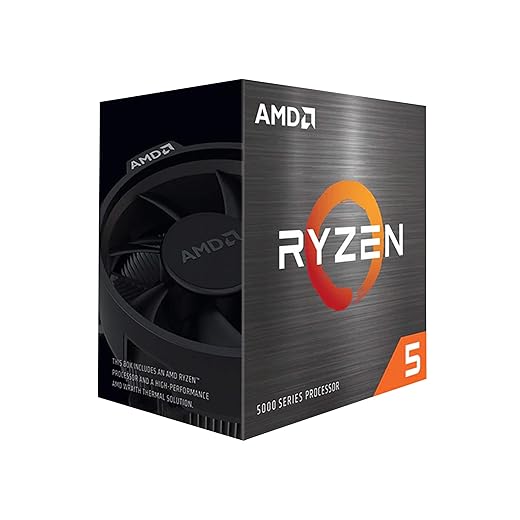
If you want the most FPS per dollar and already own compatible boards, these budget CPUs still deliver excellent real-world gaming performance without forcing a full platform rebuild. CPUs with higher core counts are especially valuable for gaming and streaming workloads, particularly if you’re planning a single PC streaming setup.


AM4’s Long Goodbye: Still a Value King in 2026
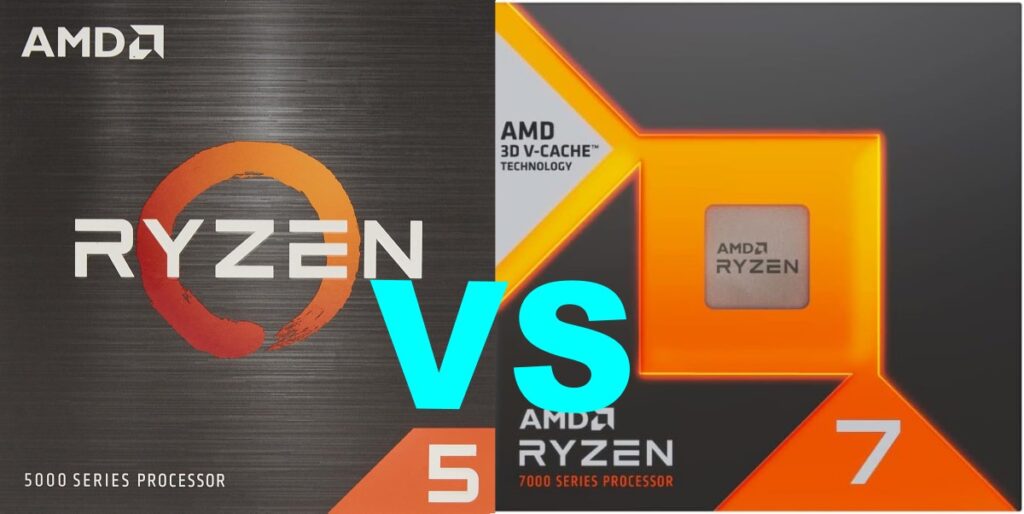
AM4 should have died years ago. Instead, it keeps refusing to leave, and budget gamers are better off for it. CPUs like the Ryzen 5 5600, 5600X, and especially the 5800X3D are still excellent for 1080p and 1440p gaming in 2026. Not every performance jump comes from the CPU, and this pillar piece explains why image quality trade-offs matter too.
You get mature BIOS support, cheap DDR4 memory, and zero platform drama. The later 5600X3D launch only reinforced how much life AMD squeezed out of this socket. If you already own an AM4 motherboard, there is still very little reason to upgrade platforms unless you’re chasing benchmark charts instead of smoother gameplay.
AM5 Gaming CPUs: X3D Magic or Expensive Commitment?
The Ryzen 7 7800X3D remains the gold standard for pure gaming performance. Frame consistency, low power draw and excellent thermals keep it near the top even as newer CPUs arrive. If you’re shopping for a gaming laptop instead, don’t focus on the processor alone. Our guide to the best RTX 5060 gaming laptops explains why cooling, GPU power limits and overall system design matter just as much as the CPU.
The catch hasn’t changed. AM5 motherboards and DDR5 memory still cost noticeably more than mature AM4 setups. You do get PCIe 5.0 and a longer upgrade path, but most gamers won’t touch those benefits for years. If you’re building brand new and want the best gaming-focused chip available, the 7800X3D earns its reputation. If you’re upgrading an existing system, the price jump still hurts. Pairing your CPU with the right motherboard is critical, so take a look at the best gaming motherboards for every budget to get the most out of your build.
How Much Does a CPU Actually Affect Gaming Performance?
CPU upgrades matter most when you’re playing at 1080p, targeting very high frame rates, or playing games with heavy simulation systems, large cities, complex AI, or thousands of background calculations.
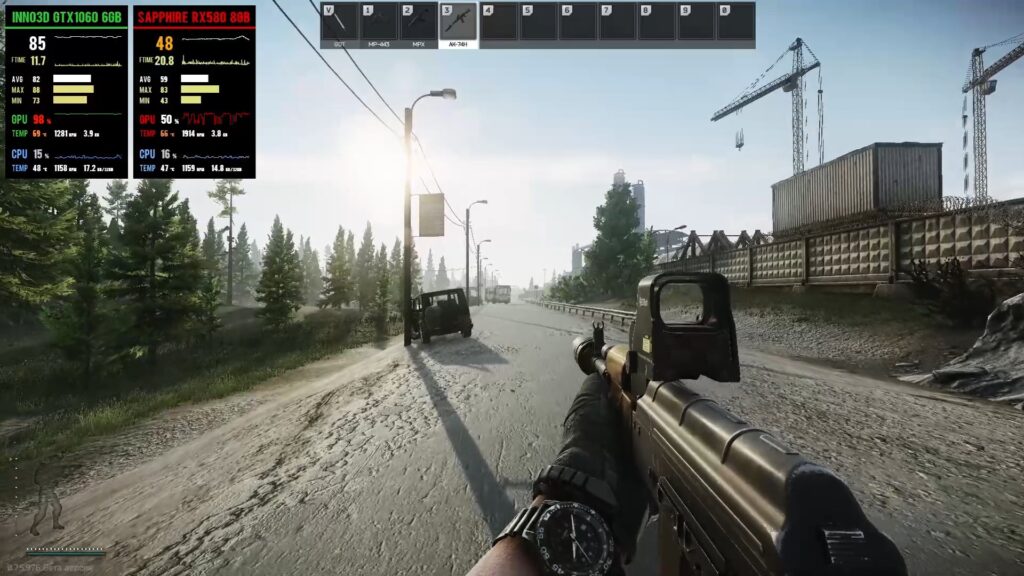
At 1440p, the balance shifts and the graphics card becomes more important. At 4K, the GPU is usually doing most of the heavy lifting, meaning expensive CPU upgrades often deliver surprisingly small gains.
Games like strategy titles, city builders, MMOs, and simulation games tend to be CPU-heavy. Most single-player action games are usually limited by the graphics card first.
If you’re chasing better gaming performance, always identify the bottleneck before throwing money at a new processor.
Best Midrange Gaming CPUs for New Builds
This is the performance sweet spot for most gamers. Strong frame consistency, modern platform support, and enough headroom for high refresh gaming without flagship pricing.



Top Tier Gaming CPUs for High Refresh Builds
If you are pairing with powerful GPUs and targeting ultra-stable frametimes, these top tier CPUs deliver elite gaming performance without going full workstation overkill.


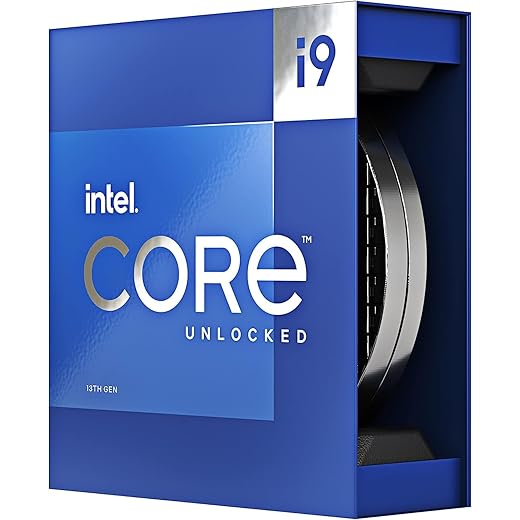
Flagship Reality Check: Ryzen 9 7950X3D vs Intel i9-14900K
This is the “do-everything” tier. Streaming, editing, compiling, running absurd numbers of browser tabs, and still gaming at high refresh rates. The 7950X3D leans on massive cache and efficiency, while Intel’s i9-14900K doubles down on raw clock speed and power draw.
Intel’s chip still dominates short benchmark bursts, but the efficiency gap is hard to ignore. For gaming-first users, both are unnecessary. For hybrid creators who also game, the 7950X3D remains the smarter long-term pick with far saner power consumption.
Flagship Gaming and Creator CPUs
These are maximum performance chips for users who game, stream, create, and compile. Incredible power, higher cost, and often higher power draw.


Sleeper Pick That Refuses to Die: Ryzen 5 5600X3D

AMD squeezed every last drop out of AM4.
The 5600X3D never made headlines, but it quietly became one of the best value gaming CPUs available. V-Cache plus AM4 compatibility is a lethal combo for budget and mid-range builds.
In real games, it often trades blows with the 5800X3D at 1080p and 1440p. If you’re refreshing an older system, this remains one of the smartest drop-in upgrades available. Just update your BIOS first.
Budget CPU Showdown: Best Value Picks Compared
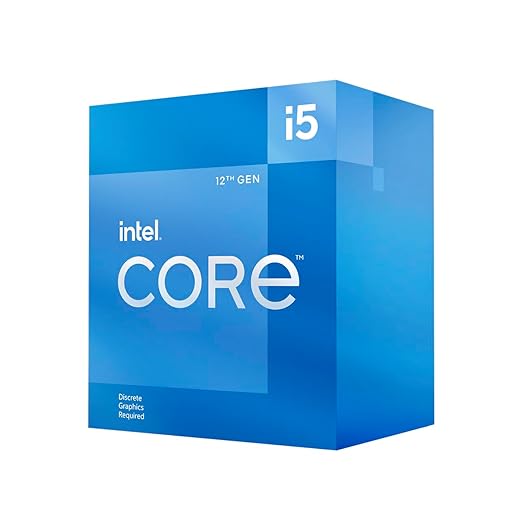
Ryzen 5 5600 vs Intel Core i5-13400F
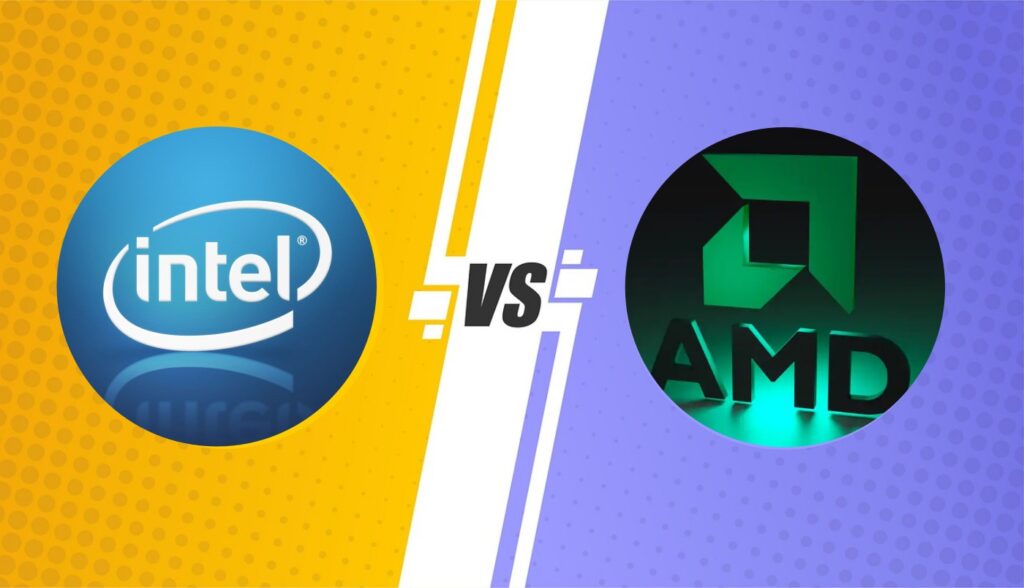
The Ryzen 5 5600 continues to be the safe AM4 default: affordable, unlocked, and reliable. Intel’s i5-13400F brings hybrid cores and stronger multi-threaded performance, making it more versatile for mixed workloads.
In gaming, the difference is usually negligible, especially with mid-range GPUs. CPU-heavy titles with dense cities or complex AI, like Kingdom Come Deliverance 2, can expose weaker cores, but both CPUs remain perfectly playable choices.
Does 3D V-Cache Still Matter in 2026?
Yes, but selectively. Games that are CPU-bound, simulation-heavy, or rely on large world states benefit massively. MMOs, open-world RPGs, and high-refresh competitive shooters love cache.
Not every game cares. Esports titles with lightweight engines and indie games won’t show meaningful gains. V-Cache is powerful, but only if your games can actually use it. Also CPU’s have advanced heavily on intergrated Graphics so if you are considering a PC without a graphics card you will need the right CPU to handle this so read: The No-GPU Gaming PC
Platform Reality: AM4 vs AM5 vs Intel LGA1700
A CPU upgrade is never just a CPU. AM4 is officially done but remains cheap and stable. AM5 has a future but demands upfront investment. Intel’s LGA1700 sits awkwardly in the middle, with upcoming platform changes likely to shorten its lifespan.
If you’re planning a mid-range gaming PC, prioritize value today over vague promises of tomorrow.
NB! If you’re trying to save cash by buying a used CPU, read Buying a Used CPU for Gaming first so you don’t get burned by bent pins, fake listings, or dead chips.
Gaming CPUs We Wouldn’t Buy Right Now
Not every CPU deserves your money.
Several older Ryzen 7 and Ryzen 9 chips still sell at surprisingly high prices despite offering worse gaming performance than newer X3D models. Likewise, some Intel flagship processors only make sense when heavily discounted.
If a CPU upgrade also requires a new motherboard, new RAM, and a bigger cooler, the total platform cost matters more than benchmark charts.
The best gaming CPU isn’t always the fastest one. It’s the one that delivers the biggest improvement for the least amount of money.
Quick Tier List: Gaming CPUs That Still Make Sense
| Tier | CPU | Why It Makes Sense |
|---|---|---|
| Budget | Ryzen 5 5600 / Intel i5-13400F | Affordable, still excellent for 1080p |
| Sleeper | Ryzen 5 5600X3D | V-Cache performance without AM5 pricing |
| Sweet Spot | Ryzen 7 5800X3D / 7800X3D | Outstanding gaming performance per watt |
| Flagship | Ryzen 9 7950X3D | Elite gaming plus serious productivity |
| Overkill | Intel i9-14900K | Maximum clocks, maximum power draw |
Mini FAQ
Is the Ryzen 5800X3D still worth it?
Yes. It remains one of the best gaming CPUs for anyone staying on AM4.
Can a Ryzen 5 5600 handle an RTX 4060?
Easily. Great 1080p and solid 1440p performance.
Do I need DDR5 for gaming in 2026?
No. It’s improving, but still optional for most gamers.
Will the i5-13400F bottleneck a 4070?
Only slightly in CPU-heavy titles.
Best overall value CPU right now?
Ryzen 5 5600X3D for AM4, Ryzen 7 7800X3D for new builds.
Bonus: For readers who want deeper benchmark context, both PC Gamer’s ongoing CPU testing and Tom’s Hardware’s CPU hierarchy provide regularly updated performance data across multiple resolutions and game engines. Use them as reference points, but remember that real-world value depends just as much on platform cost, cooling, and the games you actually play.

Hi Bud, And thank you so much for the positive feedback. Yes I do have an X account, Its a work in progress though as our main socials are Facebook and Instagram here is the link to twitter https://x.com/BuiltToFrag