
Updated 10/03/2026
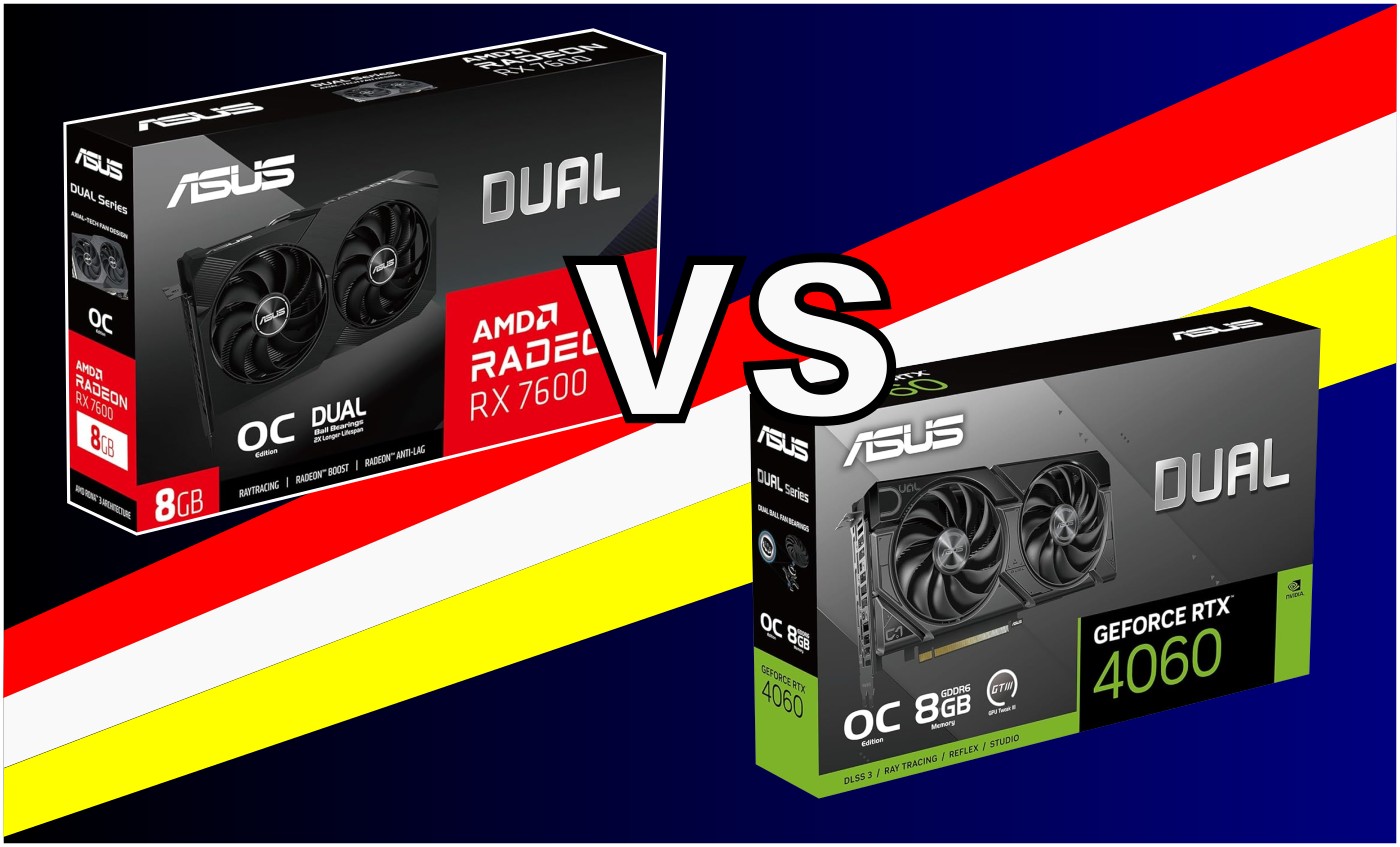
This guide compares RX 7600 vs RTX 4060 to help you decide which budget GPU still makes sense in 2026. The RX 7600 launched as a budget 1080p graphics card, and in fairness, that is still where it makes the most sense. The problem is that 2026 is not the same market it entered. Prices have shifted, newer cards exist, and budget buyers are no longer asking whether the RX 7600 works, they are asking whether it still makes sense against the RTX 4060.
That is what this page is here to answer. If you want the quick version, the RX 7600 is still a decent buy if you find it cheap enough, but the RTX 4060 is usually the cleaner all-rounder thanks to better efficiency, stronger ray tracing, and NVIDIA’s feature stack. The catch is that the AMD card can still fight back in plain old 1080p raster gaming, especially if your budget is tight and you do not care about fancy extras.
Quick Answer
If you mostly care about traditional 1080p gaming and the RX 7600 is clearly cheaper, it can still be worth it. If pricing is close, the RTX 4060 is the smarter buy for most people because it runs cooler, uses less power, handles ray tracing better, and gives you access to NVIDIA’s stronger upscaling ecosystem.
- Best for raw 1080p raster value: RX 7600
- Best for ray tracing: RTX 4060
- Best for power efficiency: RTX 4060
- Best if found dirt cheap: RX 7600
- Best overall buy for most people in 2026: RTX 4060
RX 7600 Specs Overview
The RX 7600 was built to be an affordable entry point into AMD’s RDNA 3 stack. On paper, it still looks reasonable for 1080p gaming: compact, fairly easy to power, and not absurdly expensive when discounted. The issue is that specs that looked acceptable in 2023 look much tighter in 2026, especially the 8GB VRAM limit and 128-bit memory bus.
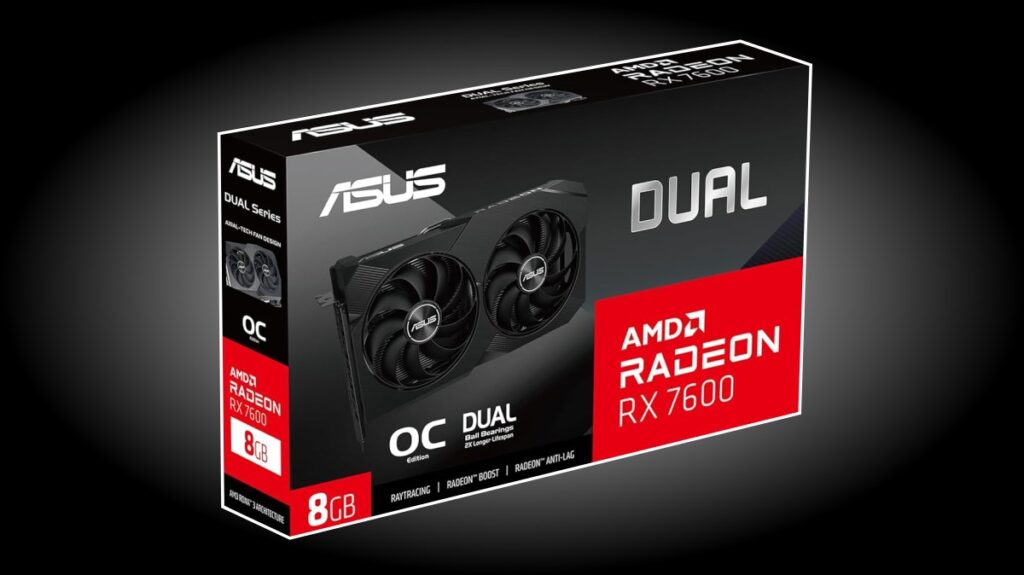
If you are shopping with the current slug in mind and expected a pure RX 7600 review, here is the plain truth: the card is not terrible, it is just boxed into a narrower use case than it used to be. It is a 1080p-first GPU, not a comfortable long-term 1440p card, and definitely not something I would call future-proof.
| Spec | RX 7600 | RTX 4060 |
|---|---|---|
| Architecture | AMD RDNA 3 | NVIDIA Ada Lovelace |
| VRAM | 8GB GDDR6 | 8GB GDDR6 |
| Memory Bus | 128-bit | 128-bit |
| Typical Board Power | 165W | Lower power draw, around 110W gaming |
| Main Strength | Value-focused raster gaming | Efficiency and feature stack |
If you are building around long-term upgrade planning, read Smart PC Upgrades for weak PCs. If you are worried about buying the wrong card for the wrong reason, also read GPU upgrade mistakes gamers avoid.
Gaming Performance in 2026
This is the part where the RX 7600 still saves some face. At 1080p with sensible settings, it can absolutely play modern games well enough to keep budget gamers happy. The problem is not that the card instantly falls apart, it is that you hit its limits sooner than you would like once textures get heavier, game engines get sloppier, and your expectations climb above “playable is fine.”

At 1080p raster settings, the RX 7600 can still look like decent value. In some games it stays surprisingly competitive, especially if you are not chasing ray tracing or maxed-out texture presets. At 1440p, though, the cracks show much faster, and that is where the card starts feeling like a budget compromise instead of a budget win.
The RTX 4060 is not some god-tier monster either, but it tends to feel more stable as an overall package. That comes from lower power use, better ray tracing behavior, and NVIDIA’s upscaling tech helping it recover from rough spots that would make the RX 7600 feel more stubborn.
Still unsure whether an 8GB card is enough? Our 8GB vs 12GB vs 16GB VRAM guide explains which memory size is best for different types of gamers.
How These Cards Behave on Real PCs
This is your mandatory reality check section, because benchmark charts alone do not tell the whole story. The RX 7600 and RTX 4060 are both aimed at mainstream systems, but they react differently when you throw messy modern games at them. Shader compilation stutter, VRAM pressure, and poor frametimes can make a “good enough” GPU feel worse than the average FPS number suggests.
In real-world use, these cards are mostly about 1080p gaming with a bit of light 1440p if you are willing to compromise. If your PC still stutters after a GPU upgrade, the graphics card may not be the only issue, so read CPU or GPU problem during gaming and Why your upgraded PC still feels slow. If you are pairing one of these cards with a weak display, best gaming monitors by budget is also worth checking.
Ray Tracing Comparison
This is where the RTX 4060 pulls ahead in a way that is actually easy to explain. NVIDIA still has the cleaner ray tracing story in this tier, and once you start adding RT effects, the AMD card usually has to make bigger compromises. That does not mean the RX 7600 cannot use ray tracing at all, but it does mean the experience often becomes a settings negotiation instead of a feature you can casually switch on.
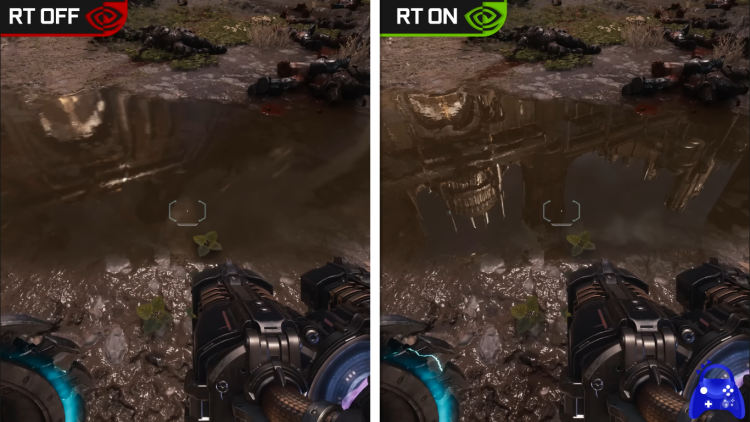
The RTX 4060 also benefits from NVIDIA’s stronger frame-generation and upscaling ecosystem. That matters because in this budget bracket, “playable with help” still counts. If a card can use modern features to keep performance smooth without turning the image into soup, that is a practical advantage, not just a marketing bullet point.
If ray tracing is one of the reasons you are upgrading, the RTX 4060 is the better choice. The RX 7600 only starts making sense again if price becomes the deciding factor and you are happy to stick to traditional raster gaming most of the time.
The 8GB VRAM Problem in 2026
Here is where people usually lose the plot. Saying “8GB is dead” is lazy. Saying “8GB is totally fine forever” is also lazy. The honest answer is that 8GB still works, but it is a tighter fit than many buyers want in 2026, especially in newer games with heavier textures and more aggressive asset streaming.
Both the RX 7600 and RTX 4060 have 8GB, so neither card gets to act smug here. The difference is that the RTX 4060 often has a better safety net through NVIDIA’s software stack and efficiency advantages, while the RX 7600 depends more on you being realistic with settings. If you are the kind of person who hates lowering textures after paying for a new card, this tier is already starting to feel cramped.
This is also why the RX 7600 XT exists as a very awkward but understandable option. Doubling the memory to 16GB does not magically turn it into a monster, but it does remove some of the anxiety that comes from buying an 8GB card in a market that keeps pushing heavier games.
RX 7600 vs RTX 4060: The Real Head-to-Head
This is the section most people actually came for. If pricing is close, the RTX 4060 is the safer recommendation. It is not because the RTX 4060 crushes the RX 7600 in every metric, because it does not. It is because the total package is easier to live with in 2026.
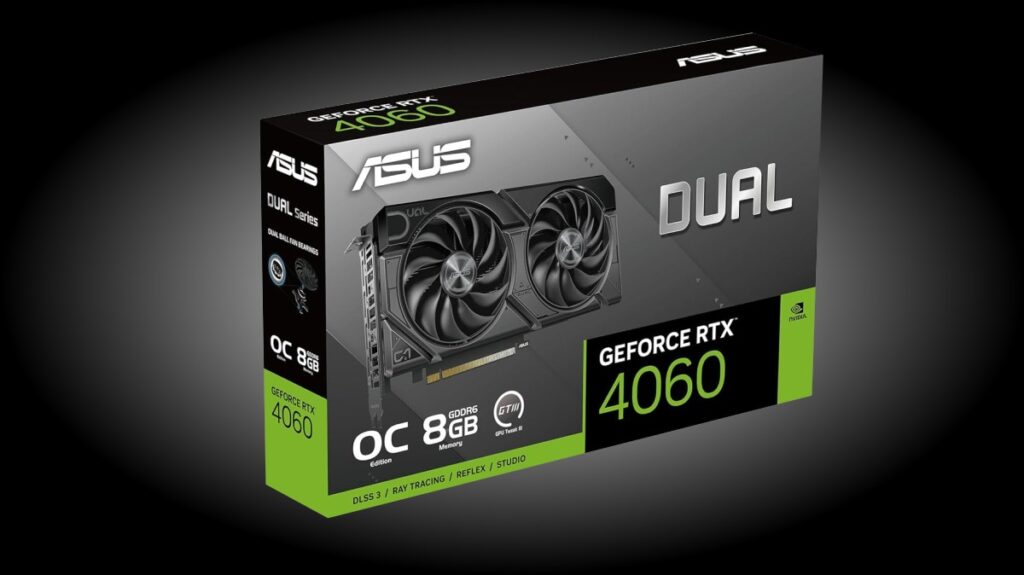
The RX 7600 still has a valid argument if your goal is simple: decent 1080p performance for as little money as possible. If you find one clearly cheaper than the RTX 4060, especially on the used market, then yes, there is still a case for it. But once prices get close, NVIDIA’s better efficiency and feature support make the 4060 harder to argue against.
| Category | Winner | Why |
|---|---|---|
| 1080p raster value | RX 7600 | If priced meaningfully lower, it can still be the better value play. |
| Ray tracing | RTX 4060 | NVIDIA’s architecture and feature support are stronger here. |
| Power efficiency | RTX 4060 | It is easier on power supplies, thermals, and small systems. |
| Feature stack | RTX 4060 | DLSS and frame generation give it more ways to stay relevant. |
| Cheap used-market appeal | RX 7600 | If you get a proper bargain, the AMD card becomes much more attractive. |
| Overall pick for most buyers | RTX 4060 | It is the more balanced 2026 purchase unless AMD undercuts it hard. |
Official reference pages: AMD Radeon RX 7600, NVIDIA GeForce RTX 4060, and TechPowerUp GPU database.
The GPUs Worth Buying Instead


Better Alternatives Worth Considering
One reason this comparison is harder for the RX 7600 in 2026 is that buyers now have more ways to dodge the entire argument. If you can stretch your budget, the conversation quickly moves beyond “which 8GB card is less annoying” and into “why not get something with more breathing room?” That is where the alternatives start making more sense.
- RX 7600 XT: Better if VRAM anxiety is your main concern and pricing is reasonable.
- RX 7700 XT: A far better step for people who want a more comfortable 1440p path.
- Used higher-tier cards: Sometimes the smarter play if your local market is good and you know what you are doing.
If you want a broader short list, check best GPU picks for 1080p and 1440p. If you are trying to avoid bottlenecks after the upgrade, go read how game mods actually work too, because heavily modded games can make a decent GPU look worse than it really is.
Why Some Gamers Still Prefer the RX 7600
This is the counter-argument section, and it matters because pretending the RX 7600 is useless would be nonsense. There are still real buyers for this card. Not everyone wants ray tracing. Not everyone cares about frame generation. And not everyone has a budget that lets them shop like they are auditioning for a YouTube thumbnail.
- Budget-first builders: If the RX 7600 is clearly cheaper, it can still be the sensible buy.
- Esports players: Competitive games at 1080p are still very manageable here.
- Small-case users: Many RX 7600 models are compact and easy to work with.
- Used-market shoppers: This is where the card becomes far more interesting.
- Plain raster gamers: If you do not care about ray tracing, the trade-off gets easier to accept.
So no, the RX 7600 is not trash. It is just picky about the scenario in which it makes sense. That is a big difference, and a lot of reviews blur that line.
Legacy Hardware Compatibility Warning
If you are upgrading an older DDR3-era office PC or some mystery-box second-hand system, slow down before you smash the buy button. Modern GPUs can run into compatibility issues with old power supplies, weak CPUs, cramped cases, and aging motherboards. Even if the card technically fits, the rest of the system can still hold it back hard enough to make the upgrade feel disappointing.
This matters even more if you are trying to squeeze modern parts into a platform that was never built with current GPUs in mind. In some cases, second-hand parts from the same era make more sense than forcing a modern card into a system that is already coughing up dust and regrets.
Final Verdict
The RX 7600 still has a role in 2026, but it is a narrower one than it used to be. If you find it at a genuinely good price and your goal is simple 1080p raster gaming, it can still be a fair buy. That is the most generous honest verdict I can give it without turning this into budget-hardware fan fiction.
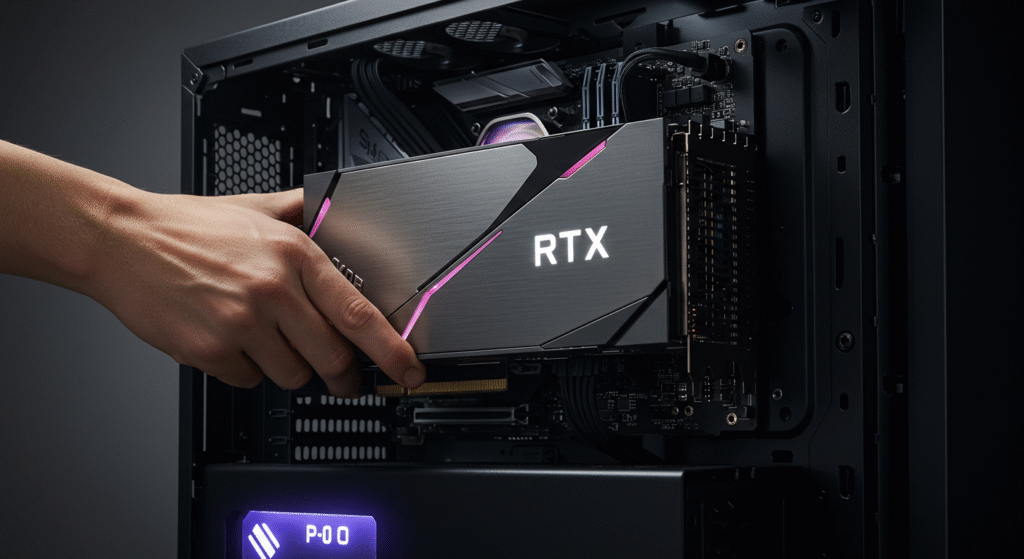
If the RX 7600 and RTX 4060 cost roughly the same, the RTX 4060 is the better buy for most people. It is more efficient, more comfortable with modern features, and less awkward as games get heavier. The RX 7600 only really wins when price does the heavy lifting for it.
That leaves the final answer pretty simple. Buy the RX 7600 if it is clearly cheaper and you only care about practical 1080p gaming. Buy the RTX 4060 if you want the stronger all-round budget GPU in 2026. And if you can stretch a bit higher, you may be better off sidestepping both and getting something with more headroom instead. In the end, the RX 7600 vs RTX 4060 decision mostly comes down to price versus features.