





Article updated: New internal links and performance details added for Switch 2 players.
For once, a Hyrule Warriors game didn’t make my console beg for mercy. This Hyrule Warriors Age of Imprisonment review lands on Switch 2 like a long-overdue redemption arc, finally proving this series can feel like an actual action game rather than a physics experiment gone wrong. Forget timelines, secret stones, or who blinked first in the Imprisoning War. This one’s about rhythm, reaction, and wrecking everything in sight, and it’s glorious.
This review is part of our PC Single-Player Reviews 2025 hub, your one-stop roundup of the year’s biggest solo adventures.
The Redemption Arc
The first Hyrule Warriors was chaos. Age of Calamity was a slideshow. Age of Imprisonment finally lands a hit, and it’s the first time this spin-off feels like it belongs next to the greats. The controls snap, attacks link smoothly, and combos carry weight that was missing for years. It’s a reminder of how far the franchise has come, similar to how the Metal Gear Solid Delta: Snake Eater Remake showed old-school action can still evolve without losing identity.
The Combat Finally Feels Earned
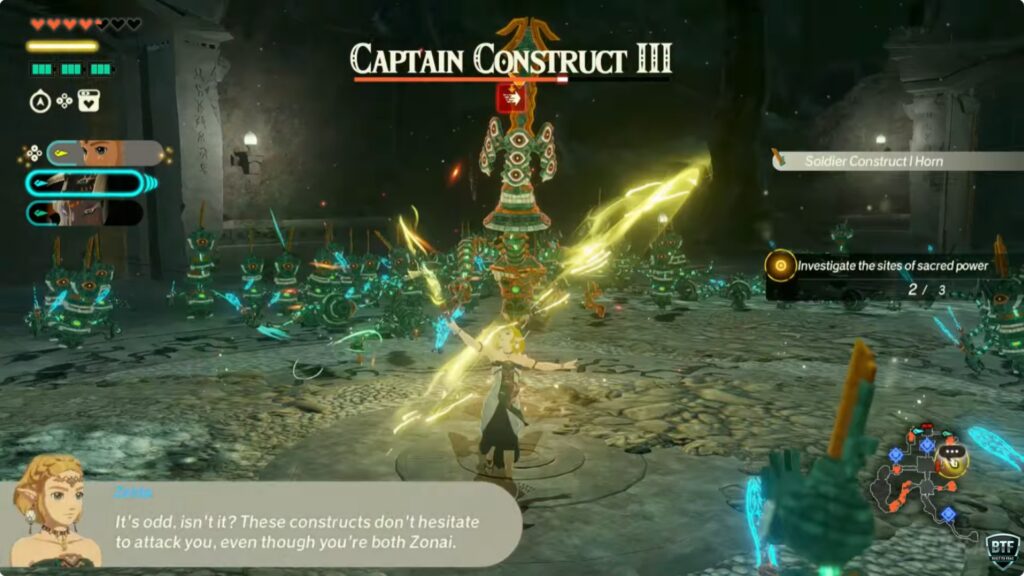
Every swing finally lands with intent. It’s not just spectacle anymore, it’s control. Combos connect without lag, character swaps flow seamlessly, and the Sync Strike system makes every fight feel like a tag-team brawl worth mastering. This is the first Warriors title that respects input timing, not just button spam. If you’ve ever played the Hitman World of Assassination games and loved their precision, imagine that discipline injected into chaos, that’s the surprise here.
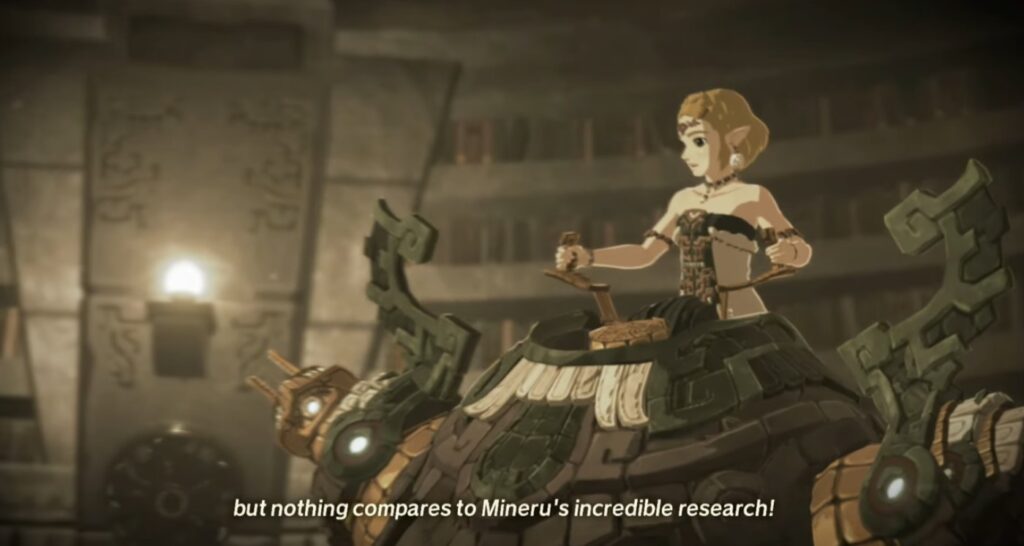
Each character now feels designed instead of copy-pasted. Mineru rides into battle on Zonai wheels, Zelda channels Recall like a divine boomerang, and Gorons fight like pro wrestlers who missed leg day. There’s rhythm here, even purpose. Button mashing still works, but you’ll notice when you start actually playing like it’s Devil May Cry instead of Dynasty Warriors.
60 FPS and a Miracle
Running at a near-locked 60 FPS on Switch 2, this is a technical miracle. Hundreds of enemies on screen, particle effects everywhere, and it never breaks a sweat. Age of Calamity used to melt under pressure. Now the engine finally catches up to the fantasy. Even in split-screen, performance dips are mild enough to ignore if you’ve got caffeine and a friend who listens. It’s the same kind of leap we noticed in our Dune Awakening Review, tech finally serving design, not sabotaging it.
Hyrule Warriors Age of Imprisonment review and The Design Over Drama Dillema.
This isn’t high lore, and that’s fine. The story barely tries, but the design finally does. Nintendo traded mystery for muscle, and the result is the tightest combat loop in the series. The narrative is more service road than scenic route, it exists to move you between battles, not to leave you theorizing about timelines or ancient prophecies. In a way, it’s a relief. After years of dense Zelda myth-making, it’s refreshing to see one entry just focus on being a great game instead of a historical document.
Cutscenes still pop up, but they’re more like brief intermissions between flurries of combat than the grand emotional moments fans might expect. Characters show up, trade two lines, and you’re back in the chaos, which feels like the point. The story doesn’t try to compete with the action because it knows it can’t. That self-awareness makes Age of Imprisonment feel faster, leaner, and more confident than its predecessors. The pacing is pure momentum, rarely stopping long enough to lose energy or focus.
Of course, some fans will see this as a step back, especially those still chasing the missing lore crumbs from Tears of the Kingdom. But once you stop waiting for the next big reveal, the whole thing clicks. The combat tells its own story, one of precision, feedback, and creative expression. It’s the same kind of shift we saw in Death Stranding 2, trading talk for tension, delivering action that speaks louder than dialogue ever could. For a game about war, that’s the smartest storytelling choice they could have made.
For official details, trailers, and character info, visit the Hyrule Warriors: Age of Imprisonment page on Nintendo’s website.
Characters Built Like Loadouts
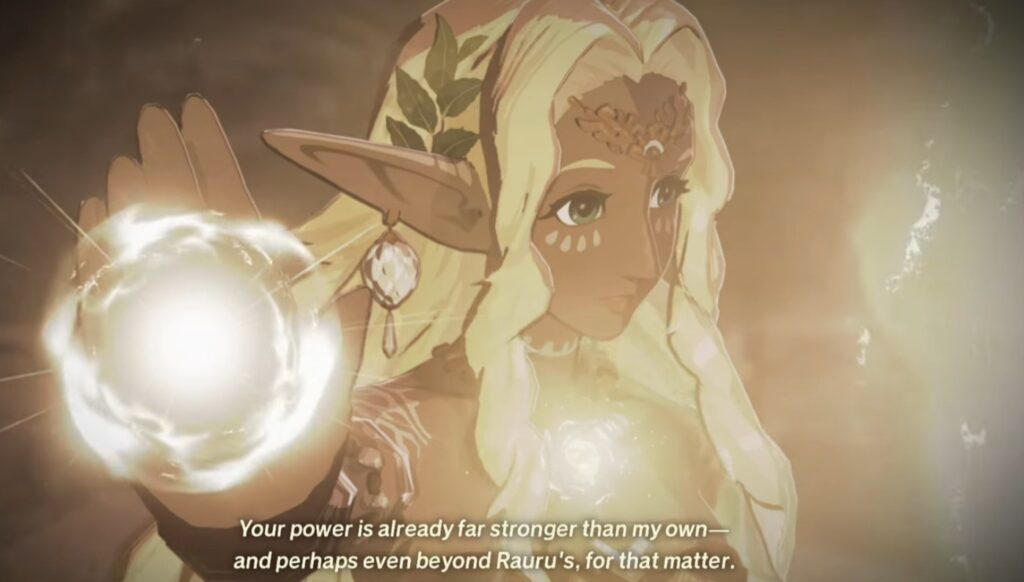
The roster finally matters. Instead of a collection of reskins, every warrior now plays like a custom loadout. Each character brings its own tempo and trick set, forcing you to think about more than just crowd control. Managing Zonai battery charge feels like tuning a build, balancing raw power against cooldowns and resource flow. When you start juggling those mechanics mid-fight, encounters turn into satisfying little strategy puzzles that reward timing over luck.
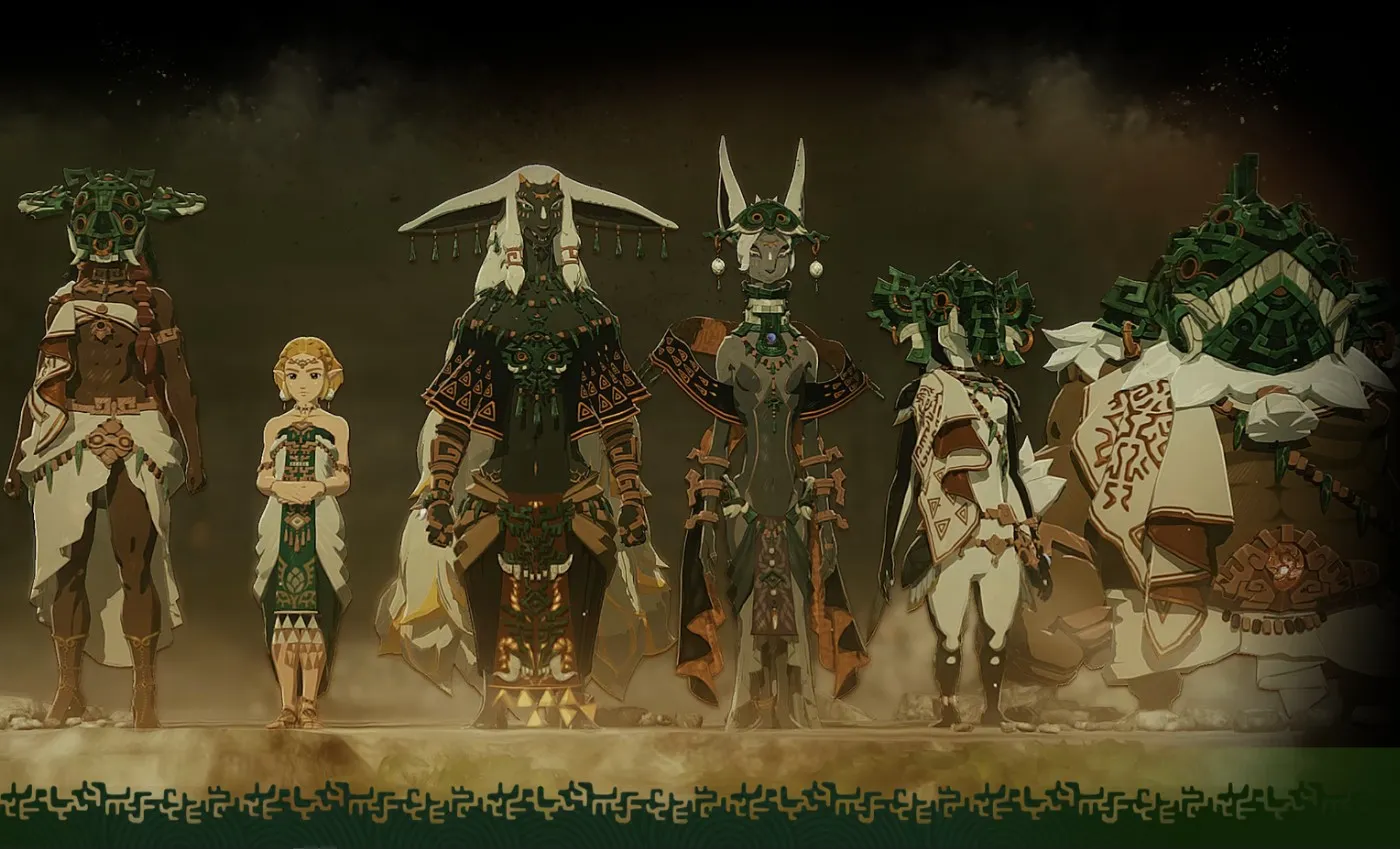
Zelda’s Recall wave chains perfectly into crowd-clearing combos if you time it right, while Mineru’s summon traps can lock down chokepoints or shred bosses when placed intelligently. Gorons throw rocks like live grenades, Rauru drops light beams with sniper precision, and even the so-called filler characters find ways to stand out once you learn their quirks. The developers clearly stopped chasing quantity and finally cared about quality, building each fighter around a unique rhythm instead of recycling move sets.
The result feels more like a modern action-RPG than an arcade hackfest. Experimenting with your roster becomes half the fun — swapping mid-battle, chaining abilities, and figuring out which hero’s toolkit best fits the next wave of chaos. It’s the kind of build-driven flow that would feel right at home in Kingdom Come: Deliverance 2, only with more glowing explosions and fewer lectures about feudal taxes. For the first time in this series, your choice of character actually changes how you play, not just how your attacks look.
Co-op Chaos That Actually Works
Co-op isn’t perfect, but it’s no longer a frame-rate funeral. Both players can go wild without the screen choking under particle effects, and that alone feels like a generational leap. The screen still gets crowded, but it’s controlled chaos now, the kind where you’re laughing, not apologizing to your console. Whether you’re clearing outposts or chasing a mini-boss across the map, the Switch 2 holds up better than expected, keeping input lag low even when things get visually ridiculous. For a look at how the Warriors franchise evolved over time, see Game Informer’s coverage of the Hyrule Warriors series.
Split-screen mode is surprisingly playable too. Yes, there’s a drop to around 30 frames, but the combat stays responsive enough to enjoy, which is more than any previous entry could claim. Sure, menus pause for both players when one digs through special abilities, but it’s manageable with decent communication. It’s the first time in the series where co-op feels like a feature, not a stress test. Grab a friend, split the Joy-Cons, and see how far you can go before you both lose track of which Zelda is yours. It’s pure mayhem, but smooth, a rarity in Nintendo’s catalog and a promising sign for future Warriors releases.
Our Verdict
Hyrule Warriors: Age of Imprisonment isn’t deep, it’s disciplined. It’s not trying to rewrite history, it’s trying to master impact, and it finally does. The lore might be thin, but the gameplay is so refined it doesn’t matter. This is the first Warriors game that truly feels like an action title built for precision instead of punishment. If Tears of the Kingdom was Zelda’s brain, this is its punching arm.
For a smaller-scale but equally gripping single-player experience, check out our Escape the Backrooms Review, proof that great action doesn’t need a giant world, just tight design.
Verdict: Finally, a Hyrule Warriors game that delivers not lore, but control. It’s the musou formula polished into real action, and it feels better than it has any right to.
Enjoyed this Hyrule Warriors Age of Imprisonment review? Follow BuiltToFrag for more brutally honest single-player breakdowns and deep-dive hardware guides, or share your own Switch 2 performance impressions in the comments below.