

Updated 26/04/2026
Escape the Backrooms Review For PC, The Indie Horror Game Your Kid Probably Knows Better Than You
My 11-year-old found this game before I did, which is both impressive and slightly alarming. Escape the Backrooms isn’t the kind of jump-scare factory you see plastered across YouTube thumbnails. It’s slower, stranger, and way more unsettling, the kind of horror that gets under your skin because it feels wrong rather than loud. Naturally, I had to try it. That was the first mistake.
Released on PC in 2022 by Fancy Games, this indie hit keeps evolving through updates and community support. But what actually makes Escape the Backrooms so addictive, and is it still worth your time in 2026?
What Is Escape the Backrooms?
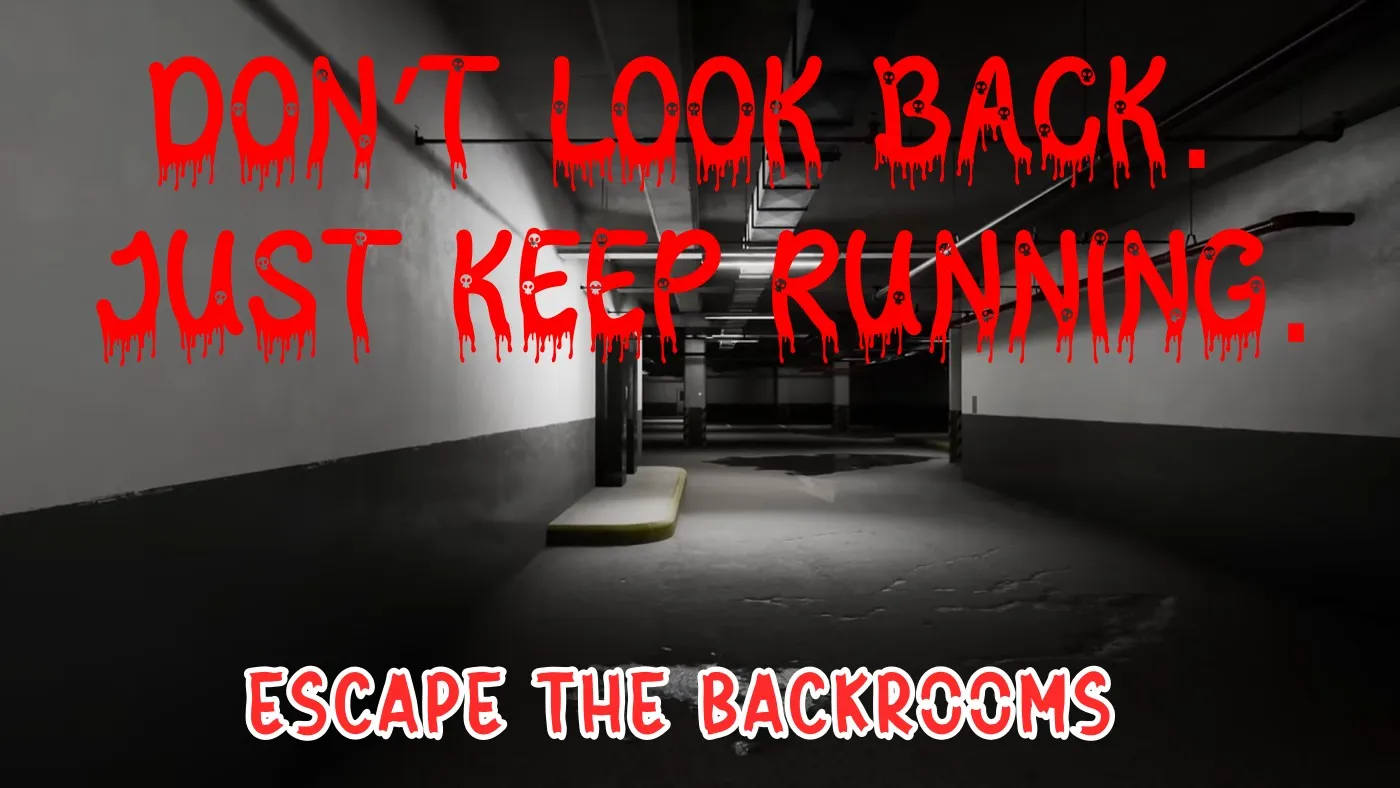
It’s based on the internet’s favorite nightmare, the Backrooms. Endless yellow corridors, buzzing fluorescent lights, and the constant feeling that reality has quietly broken behind you. The game drops you into that space and gives you one instruction: get out.
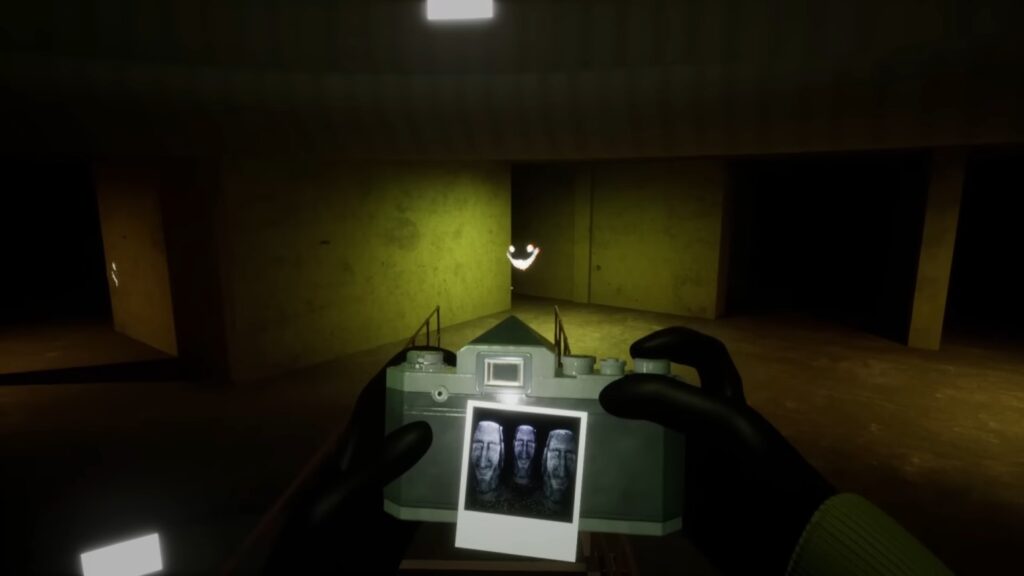
The concept sounds simple, but the execution is what makes it work. Rooms loop. Hallways don’t behave properly. You hear things you can’t see. It’s not horror built on violence, it’s built on discomfort. After surviving that kind of tension, you almost want something louder and more chaotic, Hyrule Warriors: Age of Imprisonment feels like therapy.
The Gameplay Loop, Endless Rooms, Real Tension
The loop is brutally simple, explore, survive, escape. But the way it stretches that loop is where the tension lives. Every level introduces new layouts, lighting, and threats without ever fully explaining the rules.
You can play solo or with up to three friends. Co-op helps, but not in the way you expect. It reduces isolation, but adds chaos. Communication matters, and panic spreads fast when something goes wrong.
Why Kids (and Adults) Can’t Stop Playing It
When I asked my son why he keeps playing, his answer was simple, “I want to see what’s next.” That curiosity loop is the entire design.
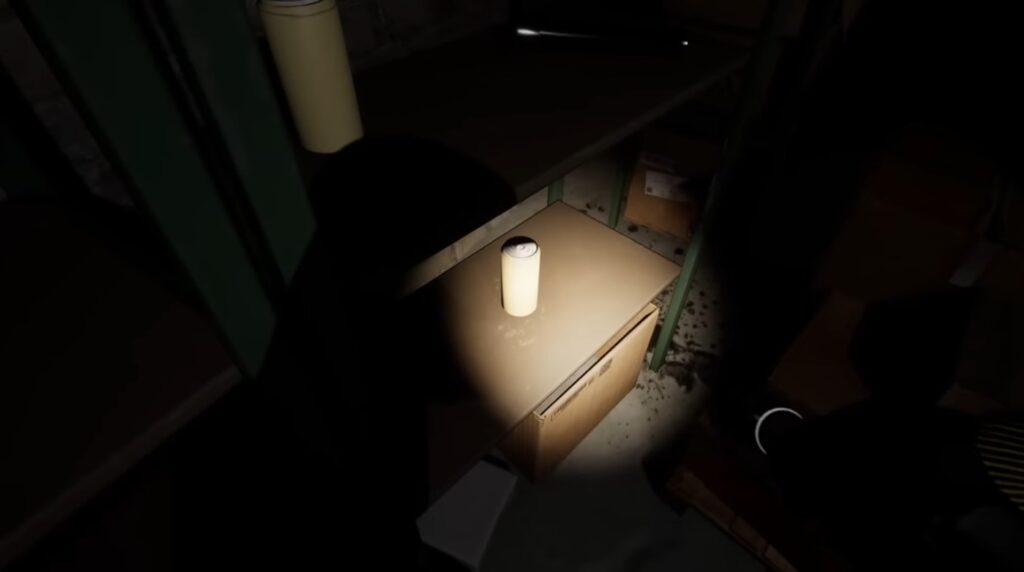
The game constantly hints at something deeper without fully revealing it. That’s the hook. It scratches the same exploration itch as Baldur’s Gate 3, just in a far more uncomfortable environment.
For adults, it taps into old-school horror, minimal guidance, maximum imagination. For younger players, it’s controlled fear, intense, but not graphic.
Is Escape the Backrooms Safe for Kids? A Real Parent Breakdown
This is where you need to be honest, because this is one of the biggest search intents around this game.

There’s no gore, no blood, and very little explicit violence. That part is true. But that doesn’t automatically make it “safe.”
What parents should actually consider:
- Psychological tension: The game builds slow anxiety rather than quick scares
- Sound design: Sudden audio cues can be intense with headphones
- Jump scares: Not constant, but unpredictable
- Multiplayer risk: Public lobbies include voice chat, which can expose kids to strangers
If your kid handles games like Death Stranding 2, they’ll likely be fine here. But if they struggle with tension or fear of the unknown, this game can hit harder than expected.
Best approach: play together first, or stick to private co-op sessions.
Real PC Performance, What Actually Happens
This is where most reviews completely fail you, so let’s fix that. Escape the Backrooms is not a demanding game on paper, but it behaves differently depending on the level and lighting.
- GPU load: Moderate, spikes in Poolrooms and darker levels due to lighting effects
- CPU usage: Low to moderate, mostly stable
- RAM usage: Can creep up in longer sessions, especially in co-op
- Stutter points: Level transitions and entity spawns
The biggest issue isn’t raw performance, it’s frametime consistency. You can be running at 60 FPS and still feel slight hitching when moving between areas.
Can Your PC Run Escape the Backrooms? (Low-End Reality Check)
This is where the game shines for your audience.
Baseline “Garbage PC” test:
- Dual-core CPU
- 4GB RAM
- Integrated graphics (Intel HD / UHD)
On systems like this, the game is playable, but not perfect.
What to expect:
- Low settings required
- 30–45 FPS average
- Drops in large or reflective environments
Integrated graphics verdict:
Intel HD 4000 and up can run it. UHD 620 or Vega iGPUs handle it much better.
If you’re trying to squeeze more performance out of a weak system, start here: How to Fix Stuttering in Games
The Levels, Entities, and Lore
Each level feels like a different nightmare, but they all share one thing, they don’t explain themselves.
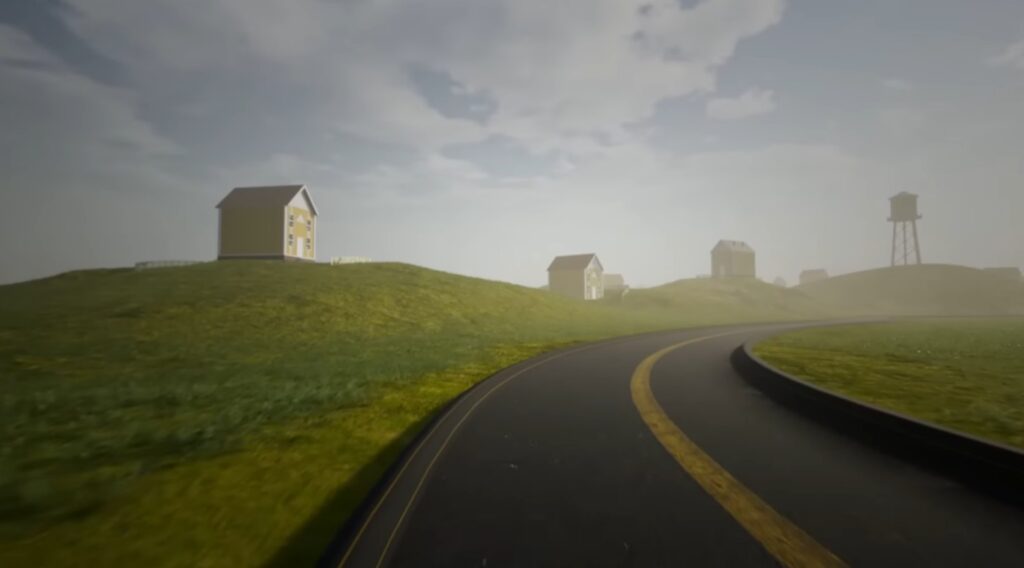
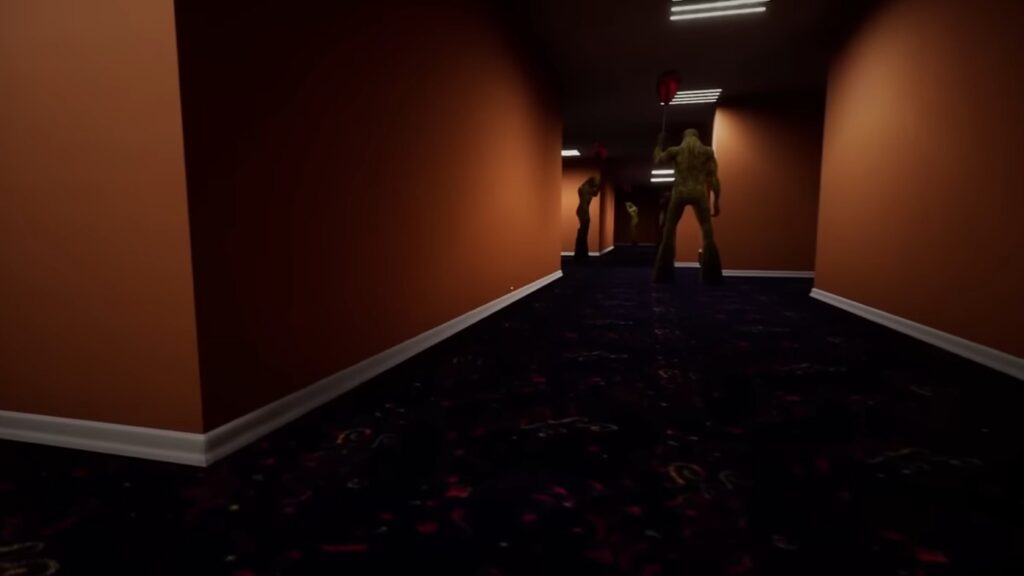
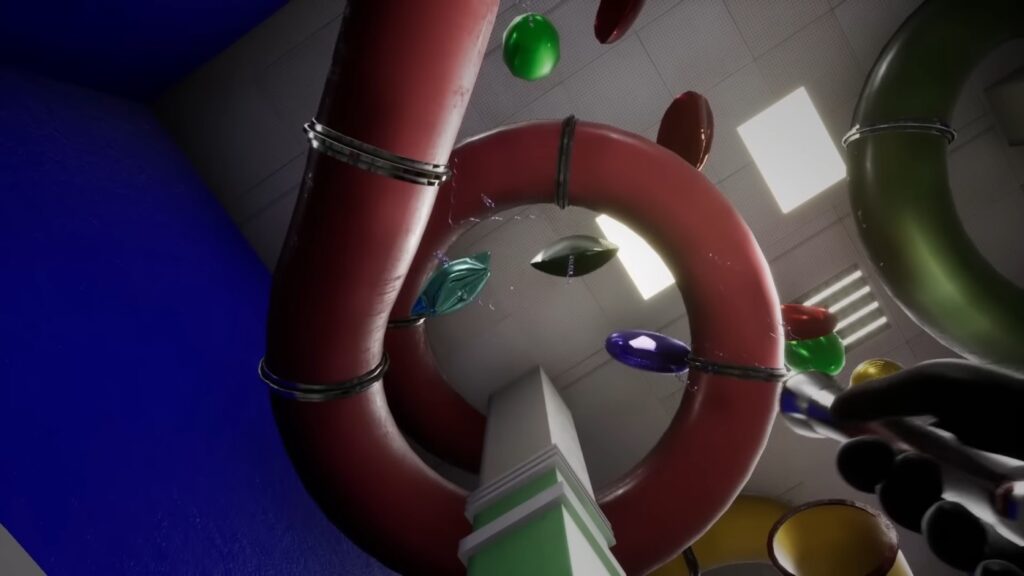
The Lobby, the Poolrooms, the Terror Hotel. Each one changes how you move, think, and react. The “entities” are intentionally vague, which keeps the fear intact.
It’s the same design philosophy that made Silent Hill so effective. Less explanation, more interpretation.
Is Escape the Backrooms Still Worth Playing in 2026?
Short answer, yes, but with context. The game still receives updates, new levels, and fixes via Steam. The community is active, and co-op keeps it fresh longer than most indie horror titles.
But here’s the reality, once you understand how the game creates fear, some of that impact fades. The mystery is strongest in your first few sessions. That doesn’t kill the experience, but it does change it from fear-driven to exploration-driven.
Who Should NOT Play This Game
This is the part most reviews avoid, but it matters.
You should skip this game if:
- You need constant action or combat
- You get bored by repetition
- You don’t enjoy slow exploration
- You’re expecting traditional horror pacing
The game relies heavily on atmosphere. If that doesn’t click for you, it can feel empty rather than tense.
Why This Weird Game Still Works
Escape the Backrooms shouldn’t work as well as it does. It’s minimal, repetitive, and often just you and a hallway. But that’s exactly why it works.
It taps into a very specific kind of discomfort, being lost in a place that almost makes sense, but not quite. Once you accept that, the game stops being frustrating and starts being strangely addictive.
Playing it with my kid reminded me why exploration still matters in gaming. Curiosity beats fear more often than you’d expect, and that’s what keeps pulling you back in.
Read more of our PC Single-Player Reviews series.