
Updated 19/04/2026
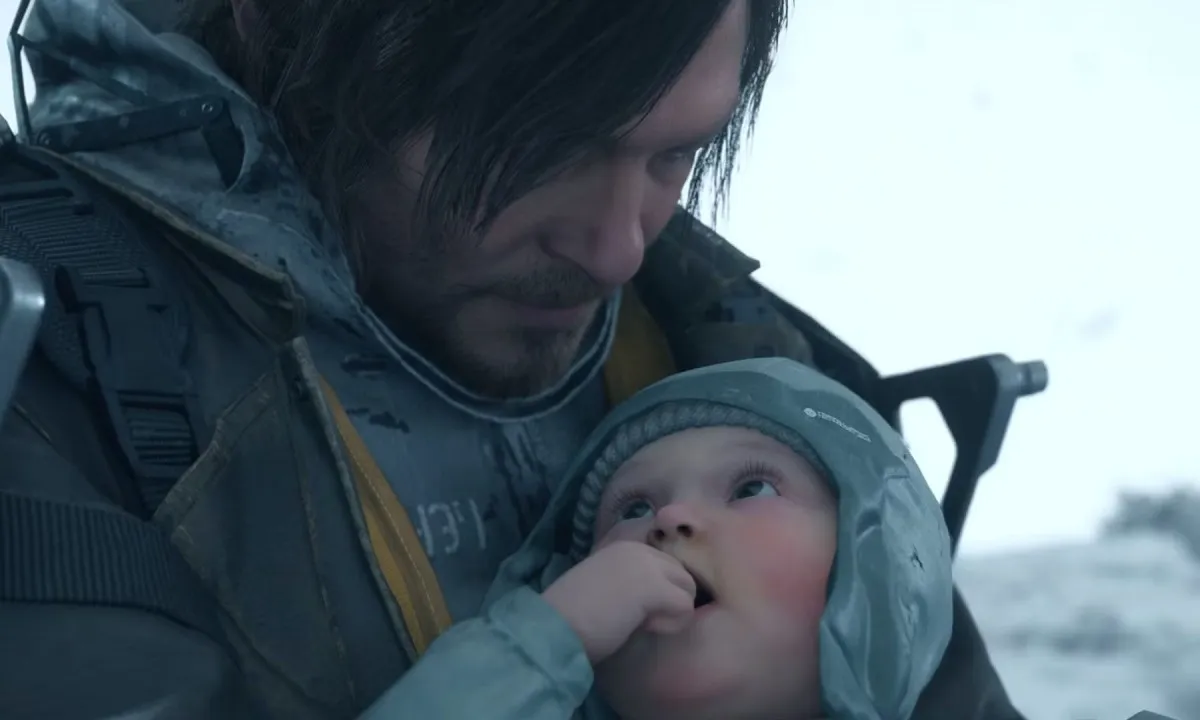
Death Stranding 2 Review: On The Beach is still weird, still wordy, and still unmistakably Kojima, but this time it is also far easier to actually enjoy. This sequel improves traversal, smooths out the friction, gives combat more purpose, and does a much better job of making its ideas feel playable instead of just symbolic. If the first game interested you but also bored you into a mild coma, this is the one that finally makes the pitch land.
Quick verdict: This is a better game than the original in almost every practical way. Traversal feels less punishing, combat is more meaningful, the story hits harder emotionally, and the overall pacing is less hostile. The catch is that it is still a slow, cinematic, deeply strange Hideo Kojima game. If you hated the first one because of its tone and cutscene obsession, this sequel will not perform miracles.
Quick Verdict
If you searched for a straight answer, here it is. This death stranding 2 review comes down to one simple point: the sequel finally respects the player a lot more than the first game did. It still has long cutscenes, heavy symbolism, and that classic Kojima habit of talking like every sentence needs to be carved into a stone tablet, but the actual game underneath all that is much stronger now.
It is easier to recommend because the friction is more deliberate. You are still managing routes, terrain, and cargo, but it feels like design now instead of punishment. That shift matters. It turns the sequel from a fascinating experiment into something that feels much more like a real game with real momentum.
What Death Stranding 2 Fixes, Right Away
The biggest win is that the moment-to-moment play is no longer dragging a masterpiece through mud. The original had ideas for days, but it often felt like you had to suffer through the systems to appreciate them. Here, the systems are cleaner, more readable, and far less annoying to work with.
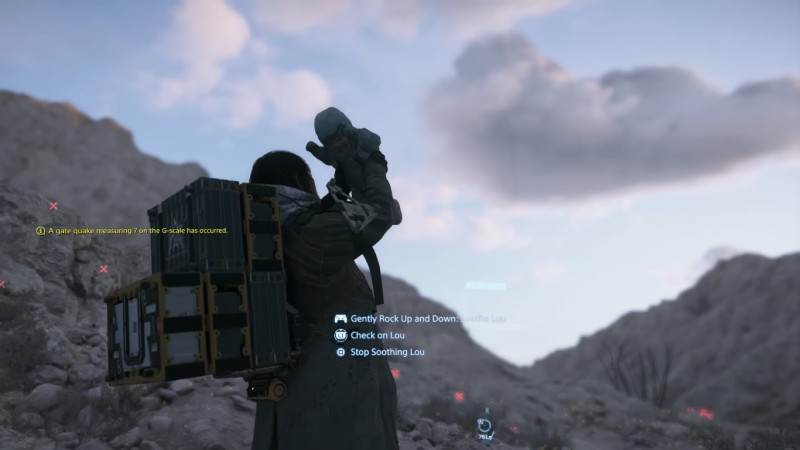
Movement still has weight, which is important because without that, Death Stranding stops being Death Stranding. The difference is that the weight no longer feels like the game actively resents you. Better gear, smarter route planning, improved support tools, and less clunky handling make your choices matter more than your patience threshold.
That improvement also makes the whole experience easier to recommend to players who usually bounce off slow-burn games. If you enjoy thoughtful single-player experiences with strong atmosphere, you can also browse our PC Single-Player Reviews hub for more games that value pacing and immersion without completely wasting your time.
The Story Is Still Weird, but It Lands Better
This is still a Kojima production, so no, the man did not suddenly discover restraint. You are going to get long conversations, strange metaphors, cryptic emotional monologues, and the occasional line of dialogue that sounds like it escaped from a philosophy lecture and got lost on the way to a boss fight. That part has not changed.
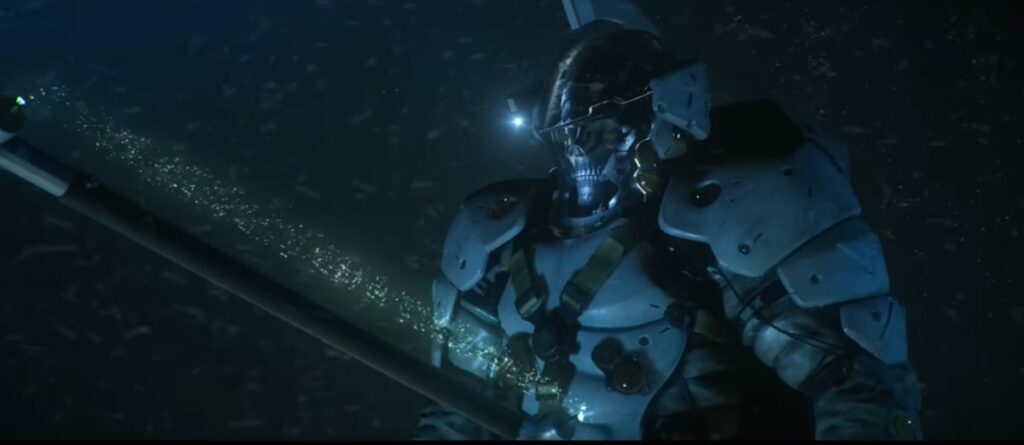
What has changed is that the story feels more emotionally readable. The characters come through more clearly, the relationships carry more weight, and the game seems less interested in confusing you just for sport. It still has symbolism coming out of its ears, but now there is more of a human center holding the thing together.
That matters because it gives the weirdness something to anchor to. Instead of feeling like a parade of ideas looking for a heart, the sequel more often feels like a story using strange imagery to support actual emotional stakes. If you like games that mix style with substance, our Hades II review is another good example of a game turning repetition and mood into something that actually pays off.
Gameplay and Combat Feel Like a Real Upgrade
Let’s say the quiet part out loud. One of the biggest problems with the first game was that people kept calling it a walking simulator because, well, sometimes it earned that insult. The sequel does a much better job of mixing up its core loop, giving you more meaningful variation between traversal, stealth, combat, and supernatural weirdness.
The combat is not just filler anymore. It has more purpose, more presence, and better integration with the rest of the game. Boss encounters feel more like actual highlights instead of awkward interruptions between deliveries. Missions also do a better job of creating movement between ideas, so the pacing feels less like disconnected chunks stapled together by cutscenes.
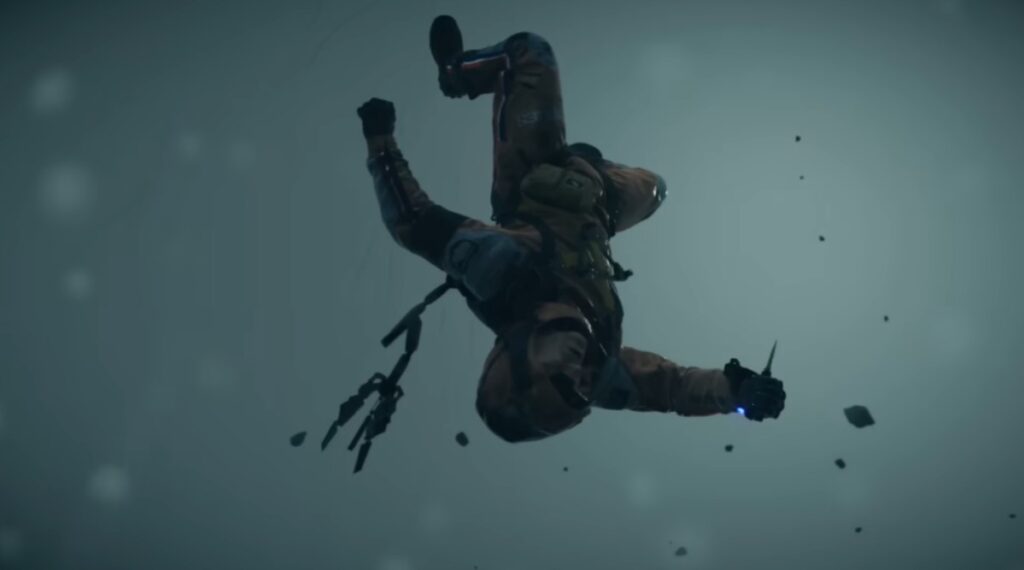
The asynchronous online systems still do a lot of heavy lifting too. Seeing structures from other players in your world remains one of the most interesting things about this series, and it helps the sequel feel connected in a way most single-player games never manage. It is still one of Kojima’s smartest ideas, and thankfully the surrounding game now supports it better.
How Does Death Stranding 2 Behave on Real PCs?
This is where BuiltToFrag should actually earn its keep. From a performance angle, Death Stranding 2 looks like the kind of game that will reward a balanced system more than a brute-force one. It is the sort of cinematic open-environment experience where your GPU will matter a lot for visual quality, but frametime consistency, shader behavior, and background CPU load are still the things that decide whether the game feels smooth or just expensive.
What you should watch for is not only average FPS, but also stutter during scene transitions, traversal-heavy areas, and cutscene-to-gameplay shifts. Those are the moments that usually expose weak memory setups, CPU spikes, or bad Windows overhead. If your system feels wrong even when frame rates look decent, start with our guides on how to monitor temps, clocks and usage, whether your issue is CPU or GPU related, and why games can still stutter on high-end PCs.
This is not a full optimization guide, and it should not be. But if you are the kind of player who notices frametime ugliness immediately, this is the sort of game where system behavior matters just as much as raw visual power.
Death Stranding 2 vs the Original, What’s Actually Different?
If you are wondering whether this is just the first game again with prettier visuals and a fresh layer of Kojima nonsense, no, it is more than that. The sequel makes real design changes that improve how it feels to play, not just how it looks or sounds. That is the difference between a continuation and a proper follow-up.
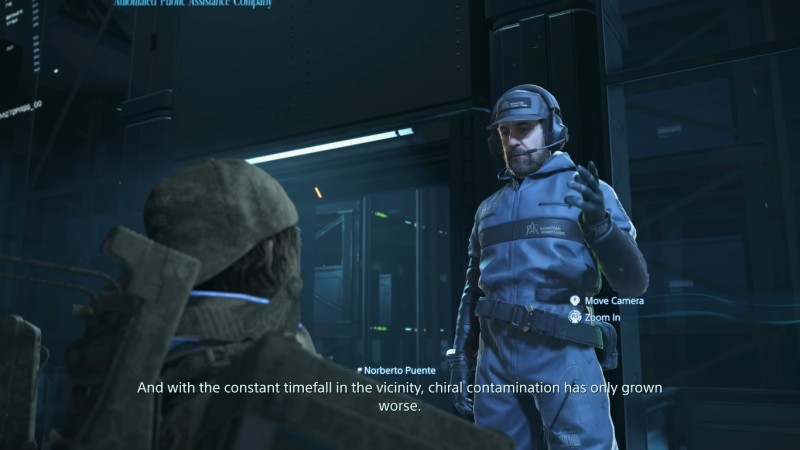
Traversal is better tuned. Combat is more developed. The onboarding is far less hostile to normal human beings. The mission design has more shape, which means the game stops feeling like one long proof-of-concept stretched over dozens of hours. That alone makes a big difference to how many players will actually finish it instead of respecting it from a safe distance and quietly uninstalling it.
It also helps that the sequel feels more comfortable teaching the player. The first game often acted like confusion was part of the artistic package. Here, the ramp-up is smoother, and new mechanics are introduced in a way that feels more intentional. That is not dumbing things down, it is just better design.
Tips for First-Time Players So You Don’t Bounce Off It
If you skipped the first game, or played a few hours and gave up, the sequel is much more approachable, but it can still punish dumb habits. A few basic adjustments early on make the experience smoother and stop the systems from becoming more annoying than they need to be.
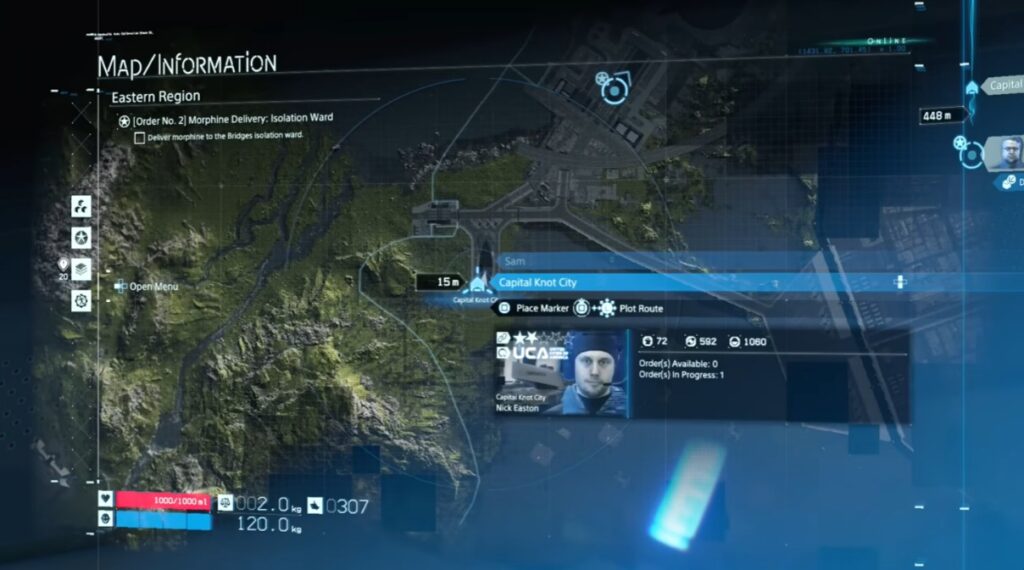
- Use the tools the game gives you: this is not a series where stubbornly “playing pure” makes you clever. It usually just makes you slower.
- Think about route planning early: Death Stranding 2 works better when you treat movement like a system, not an inconvenience.
- Do not hoard everything: overloaded inventory is still one of the fastest ways to turn a decent trip into a stupid one.
- Pay attention to terrain scanning: the game is much more readable when you actually use the information it provides.
- Take shared structures seriously: the asynchronous online layer is not a gimmick, it is one of the sequel’s best quality-of-life systems.
If your PC starts sounding like a leaf blower halfway through a long session, do yourself a favor and check our guides on fixing high CPU usage while gaming and basic PC maintenance and optimization. Cinematic suffering is one thing. Thermal suffering is another.
Who Should Skip Death Stranding 2?
This is the missing counter-argument most reviews dodge because they want to sound universally enthusiastic. Here it is plainly: Death Stranding 2 is not for everyone, and that is still true even though it is much better designed. The sequel fixes a lot, but it does not magically transform itself into a fast, snappy, low-patience action game.
You should probably skip it if:
- you hate long cutscenes and slow-burn pacing
- you want immediate action more than atmosphere and buildup
- you think Kojima’s style is self-indulgent nonsense and you are already tired just reading his name
- you only tolerate story-heavy games when every line sounds natural and efficient, which this series absolutely does not
That honesty matters because the game’s strengths are tied directly to the things that will also annoy certain players. The sequel is better, yes, but it is still unapologetically itself. Anyone telling you otherwise is trying too hard to be agreeable.
Final Verdict: Better Game, Same Strange Brain
Death Stranding 2: On The Beach is a stronger, smarter, more playable sequel that turns the series into something much easier to recommend. It improves the friction, sharpens the structure, strengthens the emotional core, and gives the player more reasons to stay engaged from one chapter to the next.
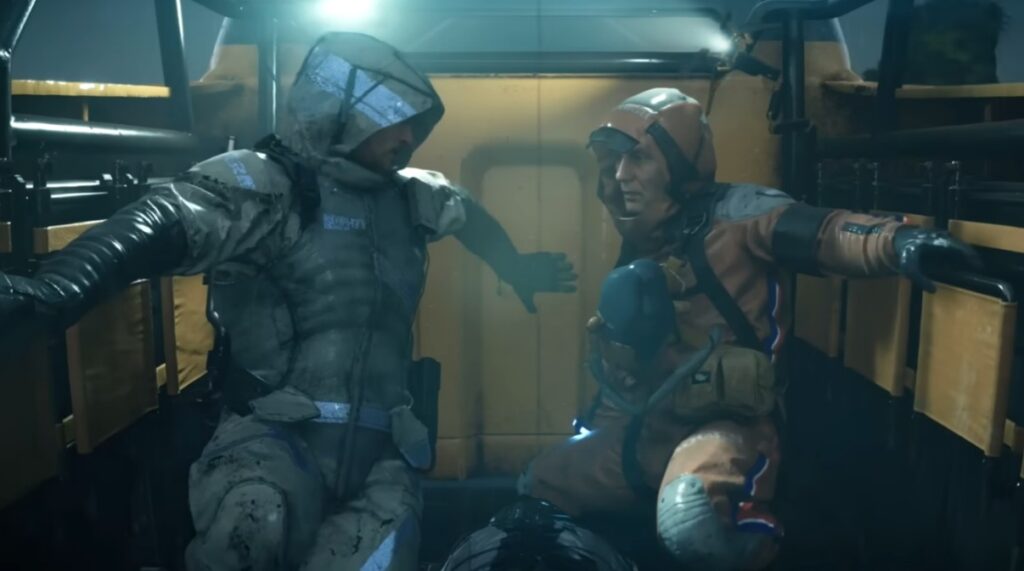
That said, it has not abandoned what makes it divisive. It is still weird. It is still indulgent. It is still deeply convinced that symbolism, monologues, and emotional confusion are part of the fun. For some people, that will be exactly the point. For others, it will still be enough to send them straight back to something more direct, like our coverage of Kingdom Come: Deliverance 2 if they want a different flavor of demanding, immersive single-player design.
Final score in plain English: if you wanted the first game’s ideas with fewer self-inflicted design problems, this is probably the version you were waiting for. If you never had any patience for Kojima in the first place, this sequel is better, but it is not a conversion machine.
Watch the Official Trailer
If you want a feel for the tone before committing, the trailer does a pretty good job of showing exactly what kind of game this is: visually striking, emotionally heavy, and still gloriously odd.
For official platform details, editions, and the latest release information, check the official Death Stranding 2 page from Kojima Productions.
More BuiltToFrag Reads
If you liked this kind of review, or you are trying to balance cinematic ambition with actual PC practicality, these are worth opening next: