







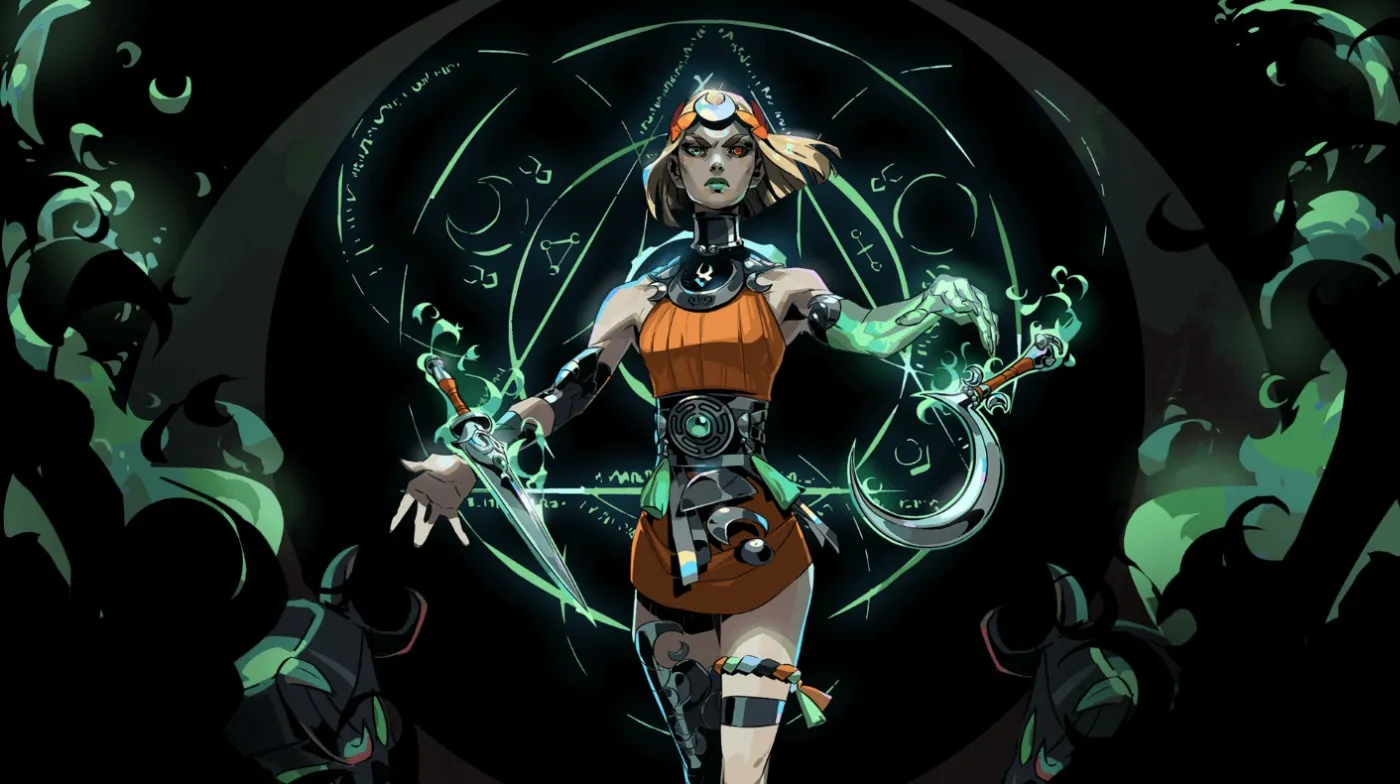
Our Hades II Review proves You do not simply play Hades II, you submit to it. Every run feels less like a restart and more like an invocation. Supergiant takes the clean, confident loop of the first game and forges something colder, moodier, and sharper. Melinoë is not escaping a home, she is descending with purpose, and that shift makes the repetition feel sacred instead of grindy.
This review is part of our PC Single-Player Reviews 2025 series, where we spotlight the year’s most ambitious solo experiences.
The Loop Has Meaning, Hades II’s Ritual of Repetition
Where Zagreus ran headfirst for the exit, Melinoë takes her time. She studies the underworld like a puzzle that changes every time you think you’ve solved it. Failing doesn’t feel like losing here, it feels like learning. Each run teaches you something new, how enemies move, where traps hide, or how a new route quietly opens after you’ve died a few times. Even the randomness feels like it’s nudging you toward understanding instead of punishing you for mistakes.
The people you meet don’t just repeat the same lines, either. They react to how you’re playing. Some encourage you, some tease you, and all of them make the world feel alive. Boons start to click once you slow down and experiment, it’s less about stacking power and more about finding weird combos that suddenly make everything flow. Back at the hub, small changes appear after each run: a new station, a new conversation, another reason to keep going.
The loop isn’t about grinding for loot, it’s about getting better, with your timing, your choices, and your instincts. Hades II wants you to stop rushing, pay attention, and figure things out through trial and error. You don’t just get stronger, you get smarter, and that’s what makes each run worth it.
Combat That Feels Like Incantation
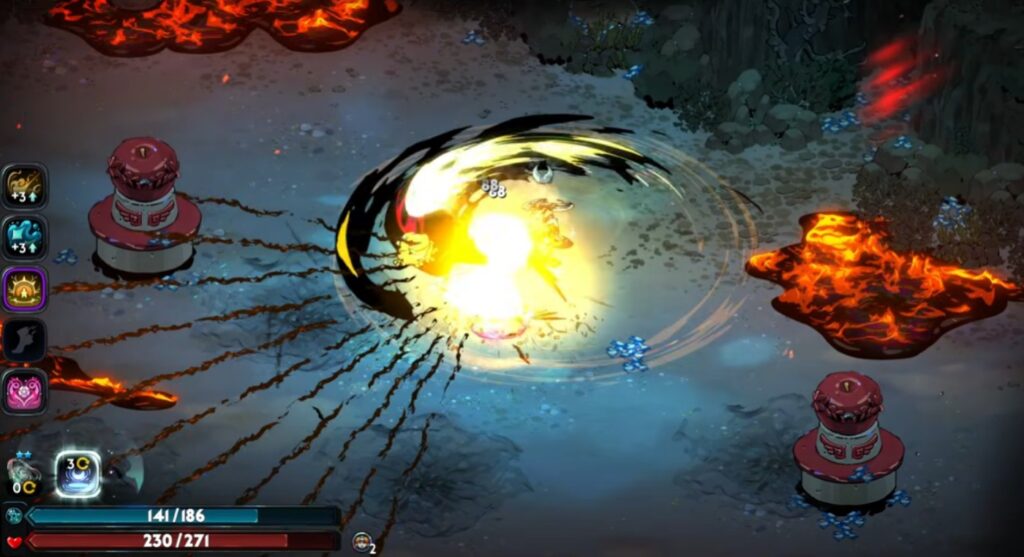
Hades II is all about rhythm. Every weapon has its own pace, and learning that flow is half the fun. The sickle hits hard but punishes hesitation, swing too late, and you’ll feel it. The torch rewards quick, confident spacing, perfect for players who like to dance around danger. The staff feels smooth and steady, built for those who like to chain clean combos before backing off to reset. Each weapon teaches you how to move, when to strike, and how to keep that rhythm alive. The best builds don’t just deal more damage, they make the whole fight feel like music when you get it right.
- Boon layering matters. Elements stack in readable ways, so your eyes never panic, your brain just tracks cause and effect.
- Animation clarity is elite. Telegraphs are crisp, hurtboxes feel fair, and you always know why you got clipped.
- Flow state is the point. The best runs feel less like dodging and more like reciting a ritual you earned through failure.
Prefer your journeys slower and stranger? Death Stranding 2 builds a world as deliberate as Hades II’s combat, just in a very different key. If deep lore and modded chaos are your thing, Baldur’s Gate 3 in 2025 shows how player choice still drives modern RPG greatness. The same player agency lives here, just packed into tighter, deadlier rooms.
Supergiant’s Evolution, From Rebellion to Refinement
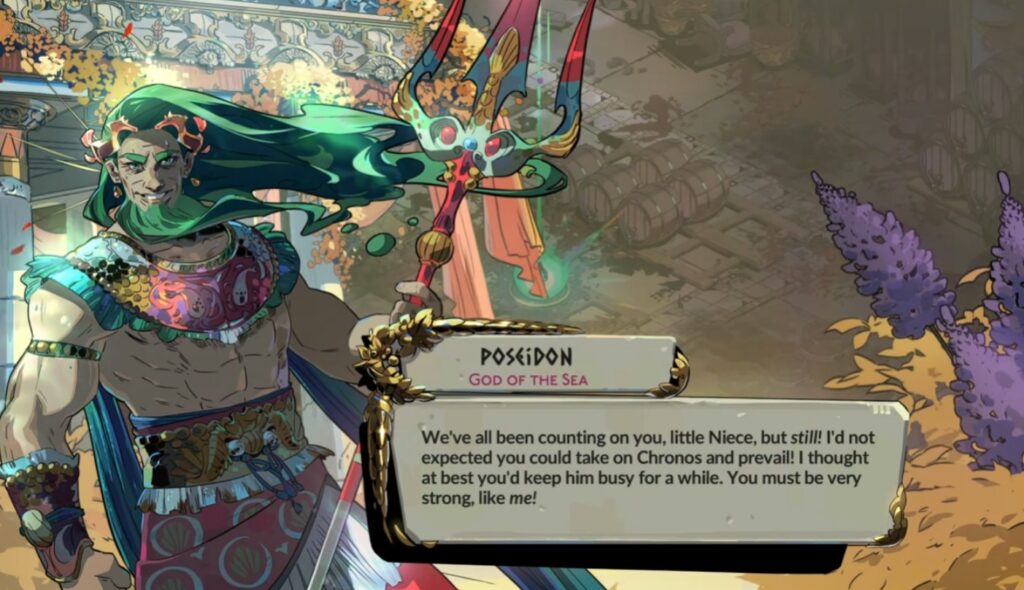
Supergiant has always had a knack for mixing gameplay, music, and story, and Hades II shows just how confident the team has become. The art style is darker, the soundtrack hums with quiet tension, and the voice acting hits hard without ever trying too hard. Every little thing feels carefully tuned, the timing of hits, the dash window, the brief moments of invulnerability. It all fits together in a way that feels fair but still demanding. You can tell this is a studio that knows exactly where to draw the line between challenge and frustration.
Fans of legacy reworks should check our Metal Gear Solid Delta: Snake Eater Remake Review for another lesson in balancing nostalgia with evolution.
Early Access That Feels Finished, Mostly
Most studios call this state beta. Supergiant calls it Tuesday. The Early Access build is already more stable and cohesive than many final releases. You can feel the scaffolding in long tail progression and a few narrative branches, yet the core is shockingly complete. Moment to moment play is tuned, performance is solid, and the loop is airtight.
When you want a different flavor of punishing progression, our Kingdom Come Deliverance 2 Review explores realism that rewards study the same way Hades II rewards rhythm.
For official updates, visit Supergiant Games or check the Hades II Steam page for Early Access details.
Death As Progress, The Psychology Of Perseverance
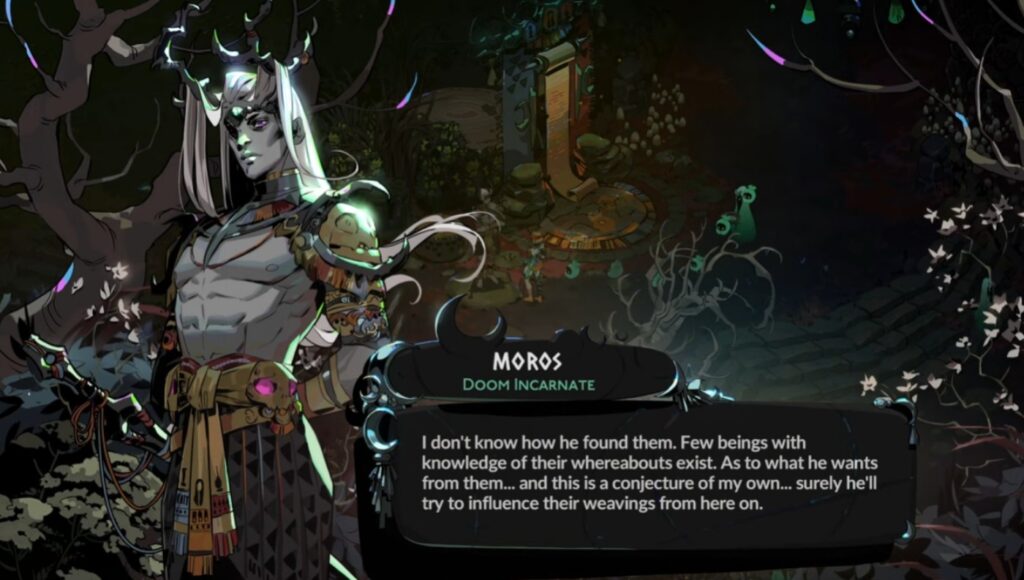
Hades II is generous in the right places. It gives you information and asks you to act on it. That is why dying never feels like a tax. You return smarter. You return calmer. You return armed with a plan. Narrative threads spool out as you loop, reinforcing the idea that fate is not a wall, it is a staircase.
Looking for another loop that rewards obsession? Empires of the Undergrowth proves even niche design can hook you through clear goals and earned mastery.
Performance, Settings, And Feel On PC
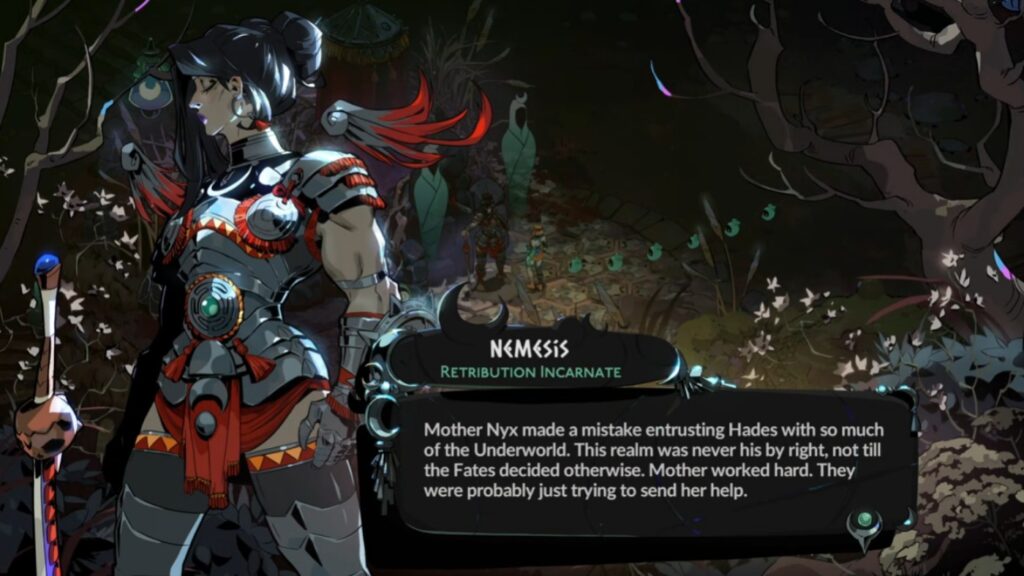
On a capable rig the game is buttery, with crisp inputs and minimal hitches. Even on modest builds, smart settings tweaks keep action readable and timing honest. The camera never fights your intentions, and the UI wastes zero space. The point is to keep you in that incantation groove, not to flex feature lists.
When it comes to endurance and moral cost in a very different genre, Frostpunk 2 is a reminder that pain plus purpose can be a compelling loop.
Style Points, Art Direction, And Sound That Sticks
Supergiant’s artists and audio team keep doing embarrassingly good work. Character silhouettes read instantly in chaos, rooms communicate danger without shouting, and the soundtrack pushes you into momentum rather than distracting you from it. It is all signal, zero noise. When you swap to a different game after a long session, you will miss the clarity.
And if surreal design is your comfort zone, Atomic Heart shows how style can punch far above its weight, even when the ideas get messy.
Where It Can Grow From Here

Early Access leaves room for bolder late game permutations and a wider cast rotation. More boons that invert weapon assumptions would be welcome. A few enemy families could use mixups that challenge new habits without spiking cheap shots. The blueprint is excellent, the house just needs more weird rooms.
For a broader look at how smaller studios keep outpacing the big ships, do not miss Indie Games vs AAA. Hades II is a case study in why focus beats budget bloat.
The Verdict, Why Hades II Redefines The Roguelike Loop
Hades II makes dying feel holy because it treats your time with respect. The loop teaches. The combat sings. The story breathes in the spaces between failures. It is a darker, meaner sibling with better manners, and it already plays like a classic in the making.
- Play if: you love precision action, readable systems, and the satisfaction of earned mastery.
- Wait if: you want every narrative thread complete today. The core is ready, the edges are still growing.
- Expect: a nightly ritual that feels better the more you give it.
Fans of reimagined classics will find familiar tension in Metal Gear Solid Delta, while players chasing styled chaos should peek at Atomic Heart. If you want the slow burn of atmosphere, our Death Stranding 2 review is waiting. For grounded punishment, visit Kingdom Come Deliverance 2. And if you want proof that player driven sandboxes still own the year, skim our Baldur’s Gate 3 in 2025 guide. and Lastly, Valve’s silence, fan myths, and tech ambition, unpack the Half Life 3 story here.
Quick Takeaways
- Repetition becomes ritual, not grind.
- Weapons teach tempo first, damage second.
- Early Access is confident, content breadth can still expand.
- Clarity across art, audio, and UI supports flow state.
- Death is progress, the story lives between your failures.
If ritual, rhythm, and raw repetition sound like therapy you can actually enjoy, Hades II might be your next nightly habit.