

If you are looking for Games Like Slay the Spire 2, you probably want more than a list of random card games with vaguely similar screenshots. You want the same feeling Slay the Spire creates: building a ridiculous deck, discovering a broken combo, getting overconfident, and then watching an enemy ruin your entire run because you forgot to block.
The good news is that roguelike deckbuilders are one of the best genres for low-end PC gamers. Most of these games focus on strategy, planning, and replayability instead of expensive graphics technology.
That means older laptops, office PCs, and budget gaming systems can still enjoy some of the deepest gameplay experiences available today.
This list focuses on games that capture the same addictive deckbuilding and roguelike progression systems as Slay the Spire 2 while remaining friendly to weaker hardware. Some lean more heavily into tactics. Some add RPG systems. Others experiment with entirely new mechanics. But every game here understands the formula that makes Slay the Spire so difficult to put down.
Quick Answer: The Best Games Like Slay the Spire 2
If you only want the short version, these are the games I would recommend first. Each offers a different take on the deckbuilding roguelike formula while remaining accessible to low-end PC players.
| Game | Best For | Low-End PC Friendly? |
|---|---|---|
| Monster Train | Players wanting deeper strategic combat | Yes |
| Roguebook | Fans of classic deckbuilding mechanics | Yes |
| Across the Obelisk | Players wanting party-based strategy | Mostly |
| Balatro | Players who love broken combos | Absolutely |
| Griftlands | Story-focused deckbuilding fans | Yes |
| Gordian Quest | RPG and deckbuilding hybrid lovers | Yes |
| Inscryption | Players wanting mystery and horror | Moderate |
| Vault of the Void | Advanced deckbuilding enthusiasts | Yes |
| Tainted Grail: Conquest | Darker fantasy fans | Mostly |
| Dicey Dungeons | Fast, casual strategy runs | Extremely |
What Makes Slay the Spire 2 So Addictive?
Before looking at alternatives, it helps to understand why Slay the Spire 2 works so well. The game is not simply about collecting cards. Plenty of games do that. What makes Slay the Spire special is the constant tension between risk and reward.
Every decision matters. Do you remove a weak card? Take a powerful relic? Fight an elite enemy? Gamble on an unknown event? Those choices shape every run, and no two runs ever feel exactly the same.
The deckbuilding system also creates endless opportunities for experimentation. One run might focus entirely on defensive scaling. The next might revolve around drawing half your deck in a single turn. When a strategy finally comes together, the payoff feels incredible.
That combination of experimentation, replayability, and strategic decision-making is what the games on this list attempt to recreate. According to the official Slay the Spire 2 Steam page, the sequel expands on the original formula with new characters, cards, relics, and enemies, while keeping the same deckbuilding foundation that made the first game so addictive.
Will These Games Run On A Weak PC?
For BuiltToFrag, a game is not low-end friendly simply because it launches on old hardware. It needs to be realistically playable on the kinds of systems many gamers still use every day.
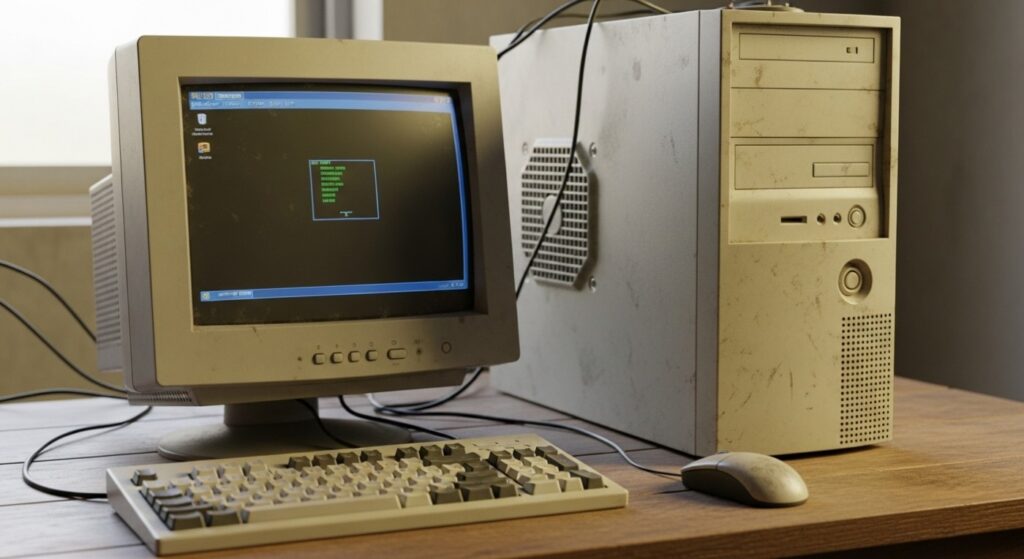
For this article, I am using the following baseline:
- Dual-core processor
- 4GB to 8GB RAM
- Intel HD, Intel UHD, or older Vega integrated graphics
- Older laptops and office PCs
- Limited storage space
Most of the games on this list comfortably meet those requirements. A few are slightly more demanding, but even those are far easier to run than modern AAA releases.
If your system struggles with newer games, you may also want to read Best Games for 4GB RAM PCs That Run Smoothly or our complete Low-End PC Gaming Guide: What Actually Runs on Your Hardware.
1. Monster Train
If I could only recommend one game to a Slay the Spire fan, it would probably be Monster Train. It is the closest thing to “more Slay the Spire” without actually being Slay the Spire. The core idea is still deckbuilding, relic hunting, and creating absurdly powerful combinations, but the combat system adds an extra layer of strategy.
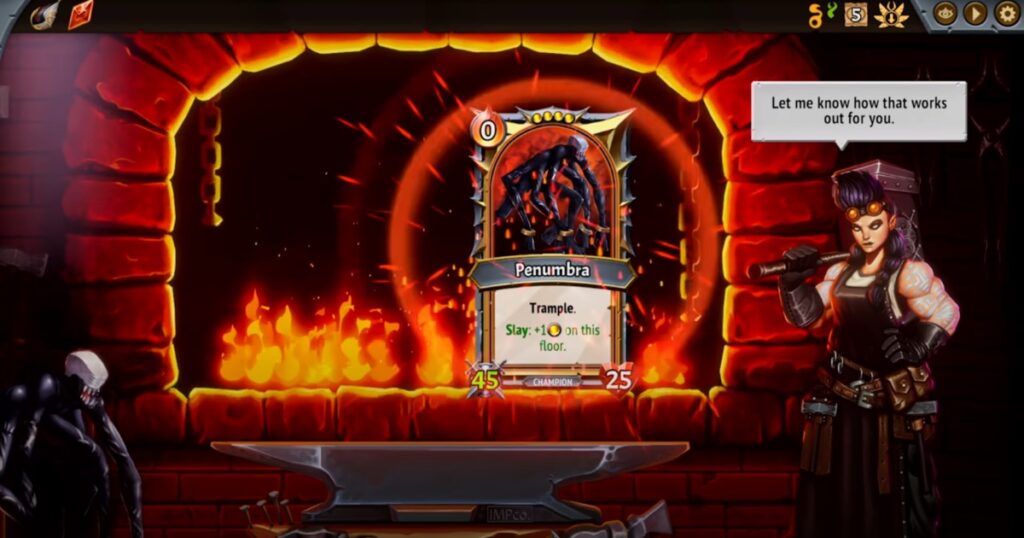
Instead of fighting on a single battlefield, combat takes place across multiple floors of a moving train. Enemies climb toward your Pyre at the top, and you must decide where to place units, when to buff them, and how to allocate your resources. It sounds simple until you realize every floor becomes its own tactical puzzle.
What makes Monster Train special is how aggressively it encourages broken builds. Some runs let you stack enough damage to erase entire enemy waves. Others create immortal units that refuse to die no matter what the game throws at them. Like Slay the Spire, the fun comes from discovering these combinations yourself.
Why Slay the Spire 2 fans will love it:
- Deep deckbuilding mechanics
- Huge build variety
- Excellent replayability
- Constant “one more run” energy
- Arguably one of the best roguelike deckbuilders ever made
Low-End PC Verdict: Excellent. Monster Train runs comfortably on older laptops and integrated graphics systems.
Minimum Hardware
- CPU: Dual-Core 2 GHz
- RAM: 4GB
- GPU: Integrated graphics capable of DirectX 11
- Storage: 2GB
2. Roguebook
Roguebook feels like a game created by developers who spent far too many hours playing Slay the Spire and decided they wanted to add exploration to the formula. Instead of simply moving from battle to battle, you uncover a living map using magical ink while searching for treasures, upgrades, and encounters.
The deckbuilding itself feels familiar in all the right ways. You build powerful synergies, refine your deck throughout a run, and gradually transform weak starting cards into something capable of crushing bosses.
The biggest difference is the two-hero system. Rather than controlling a single character, you bring a pair of heroes into battle. This creates interesting combinations because you can build around interactions between two separate card pools instead of one.
It never quite reaches the perfection of Slay the Spire, but it comes closer than most competitors.
Why Slay the Spire 2 fans will love it:
- Very familiar deckbuilding systems
- Unique map exploration
- Interesting hero combinations
- Strong replay value
- Beautiful art style
Low-End PC Verdict: Very good. Slightly heavier than Monster Train, but still accessible on most weak PCs.
Minimum Hardware
- CPU: Intel Core i5-650
- RAM: 4GB
- GPU: Intel HD 4000 equivalent
- Storage: 3GB
If you enjoy discovering hidden gems rather than endlessly replaying the latest AAA release, you should also check out Best Indie RPGs You’ve Never Played.
3. Across the Obelisk
Across the Obelisk takes the Slay the Spire formula and asks a dangerous question:
“What if we added an entire RPG party?”
Instead of managing one character, you build a team of four heroes. Each hero has their own cards, abilities, strengths, weaknesses, and upgrade paths. The result is a much larger strategic sandbox than most deckbuilders.
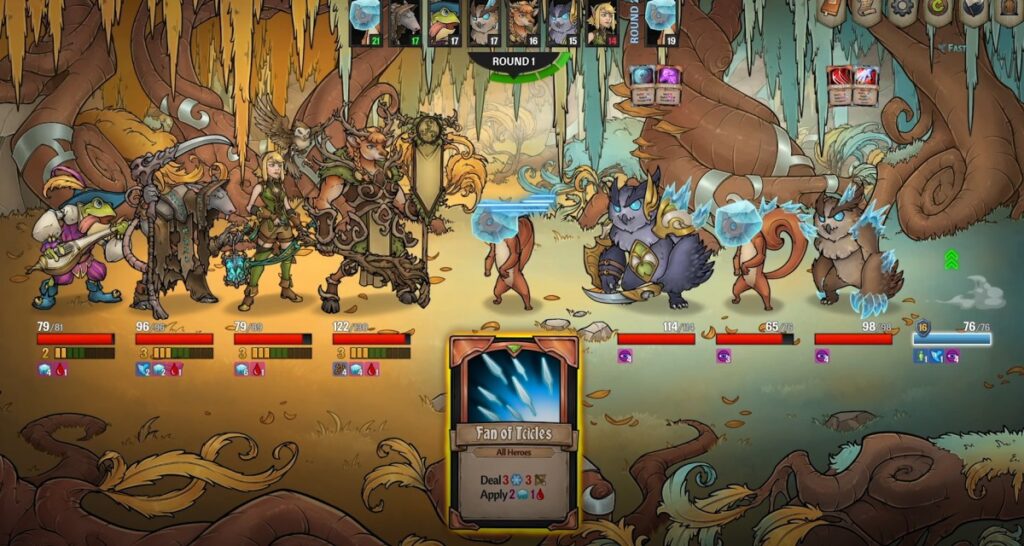
The game also supports multiplayer co-op, which immediately makes it stand out. Few roguelike deckbuilders let you coordinate builds with friends while arguing over whose terrible decisions ruined the run.
The learning curve is steeper than some of the other games on this list, but the payoff is huge for players who enjoy deep strategy systems.
There are moments when Across the Obelisk feels almost like a blend of Slay the Spire and a lightweight RPG campaign.
Why Slay the Spire 2 fans will love it:
- Party-based deckbuilding
- Co-op multiplayer
- Massive strategic depth
- Hundreds of build possibilities
- Excellent long-term progression
Low-End PC Verdict: Good. Heavier than the other games so far, but still manageable on many 8GB systems with integrated graphics.
Minimum Hardware
- CPU: Intel Core i3
- RAM: 4GB
- GPU: DirectX 10 compatible graphics
- Storage: 8GB
4. Balatro
Balatro has absolutely no right being as addictive as it is. On paper, it sounds ridiculous. It is basically poker mixed with a roguelike progression system. That description should not have created one of the most successful indie games in years, yet somehow it did.
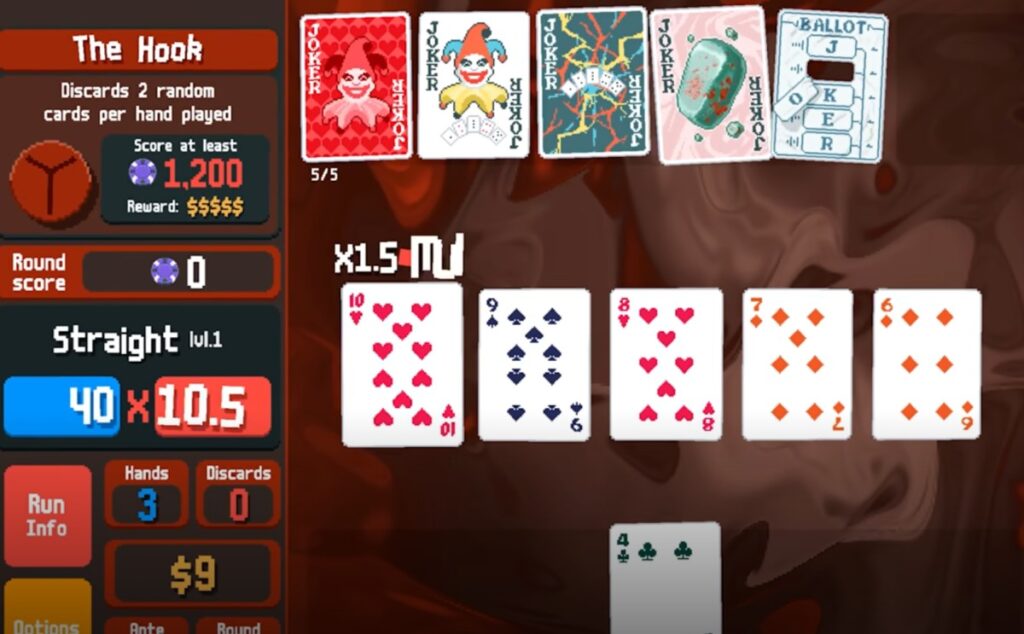
The secret is how quickly Balatro transforms from simple card hands into complete chaos. At first you are trying to make decent poker combinations. A few hours later you are multiplying scores into the billions while wondering whether the game accidentally broke itself.
The same part of your brain that loves discovering broken Slay the Spire builds will immediately understand why Balatro works. Every run becomes a hunt for powerful synergies and increasingly absurd combinations.
It is not technically a deckbuilder in the traditional Slay the Spire sense, but it scratches the same strategic itch better than many games that are.
Why Slay the Spire 2 fans will love it:
- Endless combo experimentation
- Fast runs
- Extremely high replayability
- Simple to learn
- Dangerously addictive progression
Low-End PC Verdict: Outstanding. If your PC can run Windows, it can probably run Balatro.
Minimum Hardware
- CPU: Any modern dual-core processor
- RAM: 1GB
- GPU: Integrated graphics
- Storage: Less than 1GB
If low hardware requirements are a priority, you may also enjoy our guides on Free Strategy Games That Actually Run on Low-End PCs and Free Games for Garbage PCs (Yes, Yours Too).
5. Griftlands
Most deckbuilders focus almost entirely on combat. Griftlands does something far more interesting. It asks what would happen if your conversations were just as important as your fights.
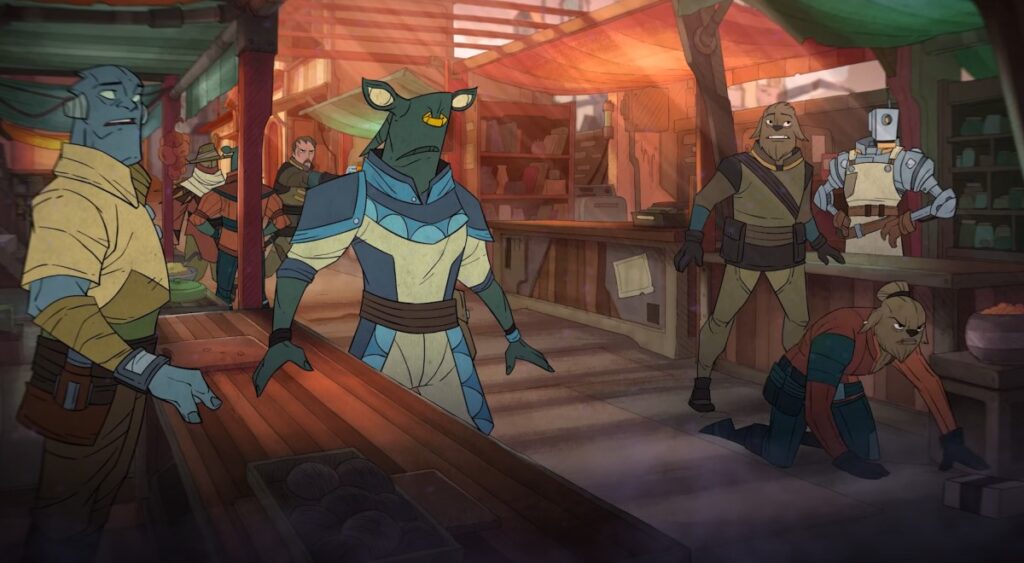
Developed by Klei Entertainment, the same studio behind Don’t Starve, Griftlands combines deckbuilding, RPG progression, and branching story choices into one surprisingly deep package. Every decision matters. Help the wrong person, betray the wrong faction, or make too many enemies, and the consequences can follow you for the rest of the run.
The clever twist is that Griftlands actually uses two separate decks. One deck handles combat encounters, while another controls negotiations and social interactions. Convincing someone to help you can be just as strategic as beating them in a fight.
This creates a very different feeling from Slay the Spire, but the constant decision-making and build crafting still scratch the same part of the brain.
Why Slay the Spire 2 fans will love it:
- Two unique deckbuilding systems
- Meaningful story choices
- Strong replayability
- Excellent character progression
- Fantastic world-building
Low-End PC Verdict: Excellent. Griftlands was designed with accessibility in mind and runs comfortably on older hardware.
Minimum Hardware
- CPU: Dual-Core 2 GHz
- RAM: 4GB
- GPU: Integrated graphics supported
- Storage: 4GB
6. Gordian Quest
Imagine someone combined Slay the Spire, Darkest Dungeon, and a classic RPG, then somehow made the whole thing work. That is probably the easiest way to describe Gordian Quest.
Instead of focusing on a single hero, you manage a party of adventurers, each with their own abilities, classes, and deck of cards. Building a strong team is just as important as building strong decks, which adds another strategic layer that many roguelike deckbuilders lack.
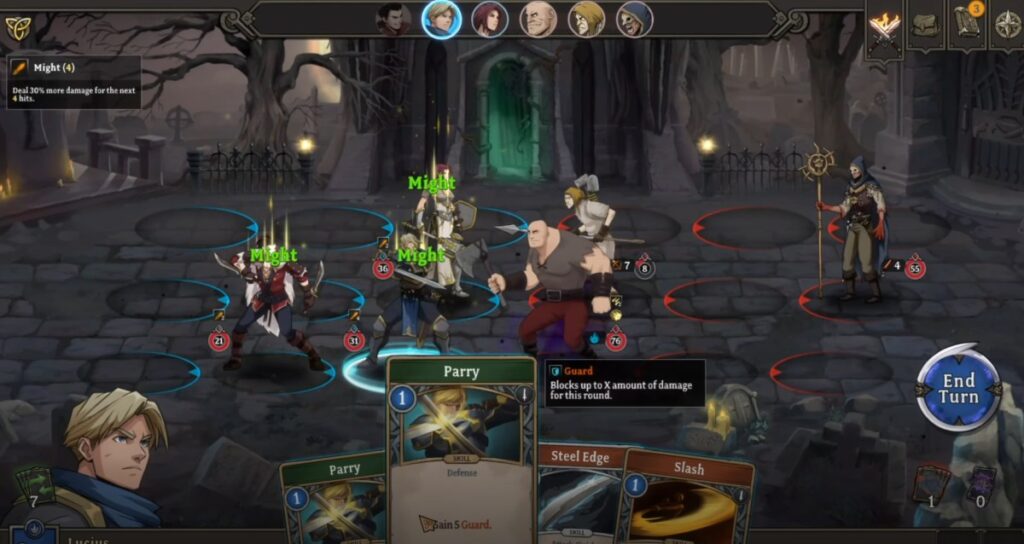
The game offers multiple modes, including a traditional campaign and roguelike adventures. That flexibility helps keep things fresh because you can switch between longer RPG progression and shorter run-based experiences.
The combat is tactical, satisfying, and rewards careful planning. It is less streamlined than Slay the Spire, but players who enjoy complexity will find a lot to love here.
Why Slay the Spire 2 fans will love it:
- Deep RPG systems
- Party management
- Strong deck customization
- Multiple game modes
- Huge amount of content
Low-End PC Verdict: Very good. It requires a little more processing power than some entries on this list, but remains highly playable on many older systems.
Minimum Hardware
- CPU: Intel Core i5 equivalent
- RAM: 4GB
- GPU: Integrated graphics supported
- Storage: 8GB
If you enjoy RPG systems mixed with strategic gameplay, you may also like Games Like Clair Obscur You Can Play Without a High-End Rig.
7. Inscryption
It is almost impossible to talk about Inscryption without accidentally spoiling it.
At first glance, it looks like a simple card battler set inside a creepy cabin. You play cards, sacrifice creatures, and battle a mysterious opponent sitting across the table. That sounds straightforward enough.
Then things get weird. Very weird.
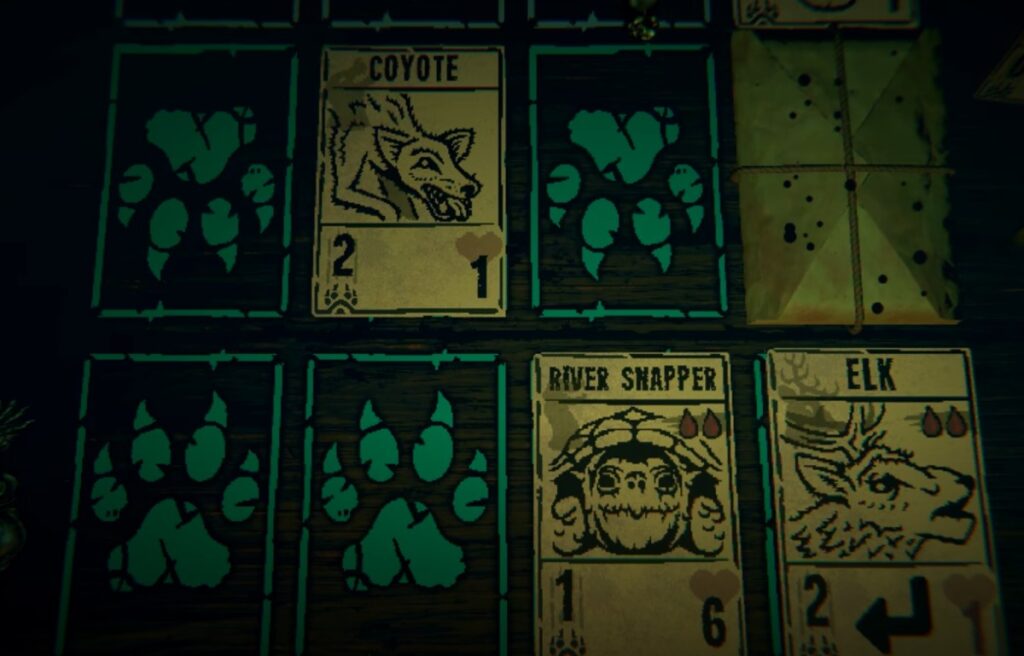
Inscryption constantly reinvents itself. Just when you think you understand how the game works, it introduces another mechanic, another layer of mystery, or another twist that completely changes your expectations.
The deckbuilding is excellent, but what makes Inscryption memorable is the atmosphere. Few games create such a strong sense of curiosity and tension. You always feel like something strange is hiding just outside your field of view.
Players looking for pure deckbuilding depth may prefer Monster Train or Vault of the Void, but anyone wanting a memorable experience should absolutely play Inscryption.
Why Slay the Spire 2 fans will love it:
- Excellent card mechanics
- Unique progression systems
- Outstanding atmosphere
- Constant surprises
- One of the most creative indie games of the last decade
Low-End PC Verdict: Good. Slightly more demanding visually than most deckbuilders, but still very manageable on older hardware.
Minimum Hardware
- CPU: Intel Core i5
- RAM: 4GB
- GPU: OpenGL 3.3 compatible graphics
- Storage: 3GB
8. Vault of the Void
If your favorite part of Slay the Spire is optimizing decks and squeezing every possible advantage out of a run, Vault of the Void deserves your attention.
This game is often overlooked because it lacks the marketing power of bigger names in the genre, but many experienced deckbuilder fans consider it one of the smartest card games available today.
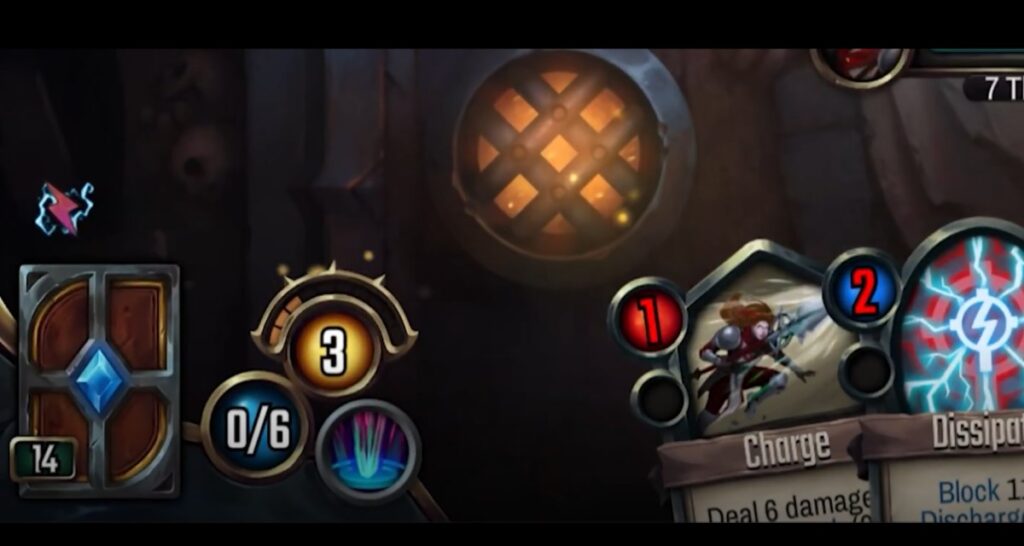
The biggest difference is the amount of control you have. Unlike many roguelikes where randomness can completely derail a strategy, Vault of the Void gives players more opportunities to shape their builds and make informed decisions.
As a result, victories often feel earned rather than lucky.
The combat system rewards careful planning, and the card interactions can become surprisingly complex. It is less flashy than some competitors, but strategically it is among the strongest games on this list.
Why Slay the Spire 2 fans will love it:
- Extremely deep deckbuilding
- Lower reliance on luck
- Huge strategic freedom
- Strong card synergies
- Excellent long-term challenge
Low-End PC Verdict: Excellent. One of the easiest recommendations here for weaker systems.
Minimum Hardware
- CPU: Dual-Core processor
- RAM: 2GB
- GPU: Integrated graphics supported
- Storage: 2GB
If you love finding underrated games that prioritize gameplay over graphics, you’ll probably enjoy Why Indie Games Feel Better Than Modern AAA Games.
9. Tainted Grail: Conquest
If Slay the Spire and a dark fantasy RPG disappeared into a cave together for several months, Tainted Grail: Conquest would probably be the result.
Set in a grim version of Arthurian mythology, the game combines deckbuilding combat with character progression, equipment systems, skill trees, and exploration. Compared to many roguelike deckbuilders, it feels much closer to a traditional RPG.
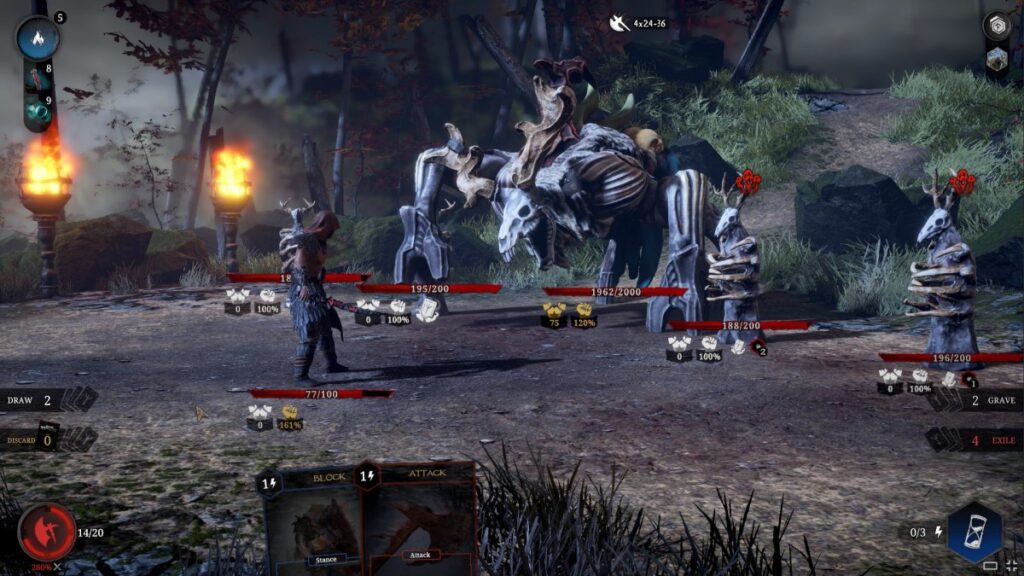
That extra depth comes with both advantages and disadvantages. On the positive side, there is a huge amount of customization available. You can experiment with different classes, abilities, gear combinations, and card synergies. The downside is that it can feel slightly overwhelming compared to the elegant simplicity of Slay the Spire.
Still, if your favorite part of deckbuilders is gradually becoming absurdly powerful over dozens of runs, Tainted Grail: Conquest delivers that feeling exceptionally well.
The atmosphere deserves special mention too. This is one of the darkest and most oppressive games on the list. Every location feels dangerous, every encounter feels risky, and every victory feels earned.
Why Slay the Spire 2 fans will love it:
- Deep character progression
- Strong RPG systems
- Dark fantasy atmosphere
- Huge build variety
- Excellent long-term progression
Low-End PC Verdict: Fairly good. This is one of the heavier games on the list, but it remains significantly easier to run than most modern AAA releases.
Minimum Hardware
- CPU: Intel i5 equivalent
- RAM: 8GB
- GPU: GTX 660 or equivalent
- Storage: 8GB
10. Dicey Dungeons
Dicey Dungeons proves that a strategy game does not need dozens of systems layered on top of each other to be brilliant.
The concept is refreshingly simple. Instead of building around cards, you build around dice. Every character completely changes how the game works, creating wildly different playstyles from run to run.

One character may focus on manipulating dice values. Another may revolve around powerful equipment combinations. Another effectively turns the game into a puzzle-solving exercise. Despite its cartoon visuals and approachable appearance, there is far more depth here than most people expect.
The best part is that Dicey Dungeons respects your time. Runs move quickly, experimentation is encouraged, and failure rarely feels frustrating because it is so easy to jump into another attempt.
If you enjoy the constant cycle of learning, improving, and discovering new strategies that makes Slay the Spire so addictive, Dicey Dungeons deserves a spot in your library.
Why Slay the Spire 2 fans will love it:
- Fast-paced runs
- Unique dice-based mechanics
- Excellent replayability
- Easy to learn
- Perfect for short gaming sessions
Low-End PC Verdict: Outstanding. If your PC struggles with Dicey Dungeons, the problem probably is not Dicey Dungeons.
Minimum Hardware
- CPU: Any modern dual-core processor
- RAM: 2GB
- GPU: Integrated graphics
- Storage: Less than 1GB
How Do These Games Run On Real PCs?
One of the reasons roguelike deckbuilders have become so popular among low-end PC gamers is that they deliver incredible gameplay value without demanding expensive hardware. Unlike modern AAA games that often require dedicated graphics cards just to maintain playable frame rates, most of the games on this list prioritize mechanics, replayability, and strategic depth.
On a typical weak gaming system, such as an older Intel HD Graphics laptop with 4GB or 8GB of RAM, most of these games will run comfortably. Titles like Balatro, Dicey Dungeons, Monster Train, and Vault of the Void are particularly forgiving and should have no trouble running on office PCs, school laptops, or older second-hand systems.
The heavier entries are Across the Obelisk and Tainted Grail: Conquest. They remain accessible compared to AAA games, but users with older integrated graphics may need to lower settings or accept occasional performance dips.
If you are experiencing poor performance even in lightweight games, it may not be the game itself causing problems. Background applications, outdated drivers, storage issues, and Windows configuration problems can all have a surprisingly large impact.
For more detailed troubleshooting, check out:
The Truth: Nothing Really Replaces Slay the Spire
After playing most of the major deckbuilders released over the last decade, I have come to a slightly disappointing conclusion.
Nothing truly replaces Slay the Spire. That is not a criticism of the games on this list. Quite the opposite. Monster Train, Roguebook, Vault of the Void, and Balatro are all excellent games in their own right.
The problem is that Slay the Spire found a level of balance, simplicity, and strategic depth that few games have managed to replicate. Many competitors add more systems. Some add more complexity. Others introduce multiplayer, RPG mechanics, or story elements.
But very few achieve the same perfect balance between accessibility and depth.
If you want the closest match, start with Monster Train. If you want the strongest strategy systems, try Vault of the Void. If you want something completely different while preserving the same addictive progression loop, Balatro is an easy recommendation.
The good news is that every game on this list offers hundreds of hours of experimentation, discovery, and terrible decisions that somehow seemed brilliant at the time.
What Should You Upgrade First If These Games Still Run Poorly?
If even lightweight strategy games are struggling on your PC, the issue is often not your graphics card. Many older systems suffer from limited RAM, slow hard drives, or years of accumulated Windows clutter.
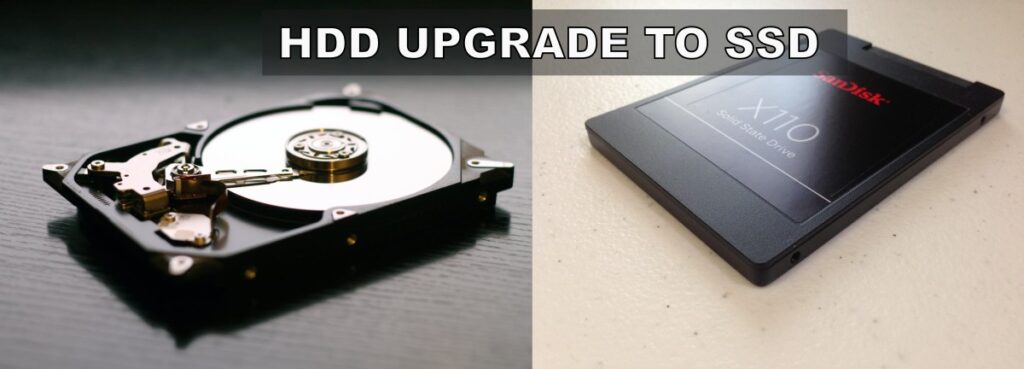
Before spending money, start by identifying the weakest component in your system. In many cases, upgrading from a mechanical hard drive to an SSD or increasing RAM capacity delivers a bigger improvement than users expect.
Helpful upgrade guides:
Frequently Asked Questions
What game is most similar to Slay the Spire 2?
Monster Train is generally considered the closest alternative. It combines deckbuilding, roguelike progression, and powerful build synergies while adding its own unique lane-based combat system.
Can I play these games on a laptop without a graphics card?
Many of them, yes. Balatro, Dicey Dungeons, Monster Train, Roguebook, and Vault of the Void are all very friendly toward integrated graphics systems.
What is the easiest game on this list to learn?
Balatro and Dicey Dungeons are both excellent entry points. Their mechanics are easy to understand, but they still offer plenty of strategic depth.
What is the most complex game on this list?
Across the Obelisk and Gordian Quest offer some of the deepest strategic systems thanks to party management, RPG mechanics, and long-term progression systems.
Are deckbuilding games good for low-end PCs?
Absolutely. Many of the best deckbuilders focus on gameplay systems rather than graphical fidelity, making them ideal choices for older hardware.
Final Verdict
If you came here searching for Games Like Slay the Spire 2, Monster Train should be your first stop. It delivers the closest overall experience while remaining extremely friendly to low-end hardware.
Beyond that, the right choice depends on what part of Slay the Spire you love most. Roguebook expands exploration, Across the Obelisk adds party-based strategy, Balatro focuses on outrageous combos, and Vault of the Void rewards players who enjoy squeezing every advantage out of a carefully optimized deck.
The best part is that none of these games require a monster gaming PC. Most will run happily on older laptops, office desktops, and budget gaming systems, proving once again that great gameplay ages much better than fancy graphics.