
Updated 10/05/2026
Silent Hill games are not especially long, but they have a nasty habit of feeling emotionally exhausting in the best possible way. One minute you’re solving a puzzle in a fog-covered apartment building, the next you’re questioning every life decision that brought you there. If you’re wondering How Long Does Silent Hill Take to Beat, the answer depends on which game you play, how deeply you explore, and whether your PC survives the remake.
Most classic Silent Hill games can be finished in under 10 hours, which makes them surprisingly approachable compared to modern open-world horror games. Better still, several older entries still run well on weak PCs and integrated graphics systems, making them perfect for low-end horror fans. If you’re trying to find more older titles that still work on struggling hardware, check out our Low-End PC Gaming Guide: What Actually Runs on Your Hardware.
This guide ranks every major Silent Hill game by playtime, fear factor, replay value, and real-world PC performance, including whether older systems can still handle them comfortably in 2026.
Quick Answer: Silent Hill Games Ranked by Time, Fear, and PC Performance
If you just want the fast answer before diving into the fog properly, this table breaks down the major Silent Hill games by average completion time, overall fear level, and how friendly they are to weak PCs.
| Game | Main Story | Fear Level | Weak PC Friendly? | Performance Notes |
|---|---|---|---|---|
| Silent Hill (1999) | 6 Hours | High | Yes* | Excellent through emulation |
| Silent Hill 2 | 8 Hours | Very High | Yes | Runs well on older hardware |
| Silent Hill 3 | 7 Hours | High | Yes | Excellent for integrated graphics |
| Silent Hill 4: The Room | 9 Hours | Medium-High | Mostly | Some older compatibility quirks |
| Silent Hill: Homecoming | 8 Hours | Medium | Mixed | Poor PC optimization in places |
| Silent Hill: Shattered Memories | 6 Hours | Medium-High | Yes* | Best through emulation |
| Silent Hill 2 Remake | 14–18 Hours | Very High | No | Heavy UE5 hardware demands |
* Some older Silent Hill games require emulation or community fixes on modern systems.
Compared to modern horror games bloated with crafting systems and 40-hour side content, Silent Hill still feels refreshingly focused. Most entries move quickly, but the psychological pacing makes them feel heavier than their actual runtime suggests. That’s part of why these games still survive decades later.
Which Silent Hill Game Takes the Longest?
If you only look at raw completion times, most Silent Hill games are surprisingly short. The majority of the classic entries sit comfortably between 6 and 9 hours for a first playthrough, which is tiny compared to modern RPGs and open-world horror games. But Silent Hill cheats a little. These games feel longer because of their pacing, puzzle pressure, oppressive atmosphere, and the constant fear that something awful is waiting around the next corner.
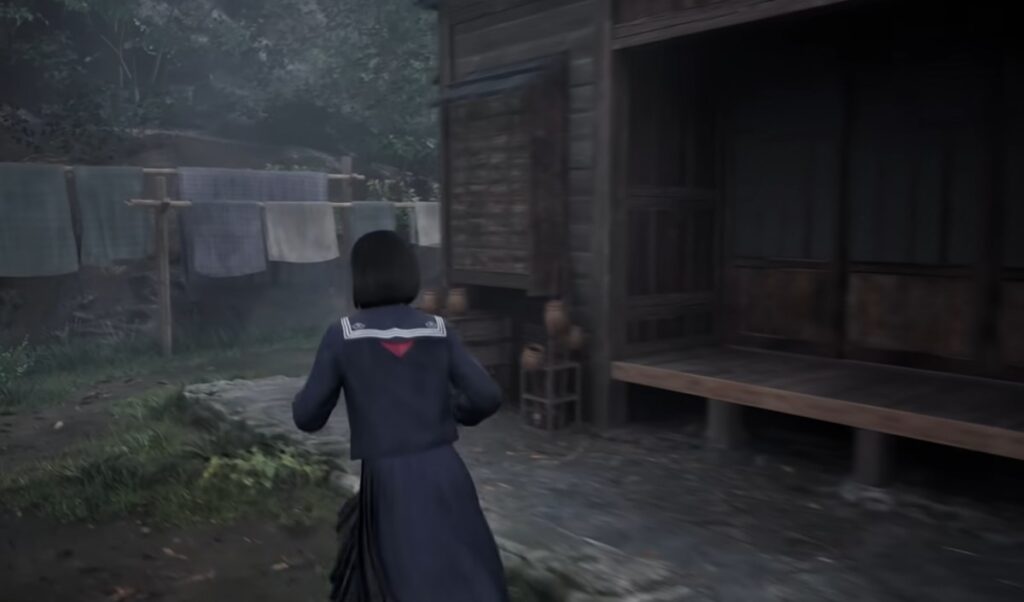
The modern outlier is the Silent Hill 2 Remake. Thanks to expanded exploration, larger environments, modern cinematic pacing, and longer traversal sections, the remake can easily push past 14 hours for first-time players. Completionist runs climb even higher if you chase multiple endings and hidden details.
Silent Hill 2 Remake Is Easily the Longest Entry
The original Silent Hill 2 was already one of the heavier games emotionally, but the remake stretches the experience significantly. Some players will appreciate the added tension and exploration, while others may feel parts of the game drag compared to the tighter pacing of the PS2-era titles.
This is also where hardware starts becoming a serious factor. Longer modern horror games naturally put more pressure on weak systems because you spend more time streaming large environments, loading high-resolution assets, and dealing with Unreal Engine 5’s heavier CPU overhead. On older PCs, that can turn psychological horror into “why is my frametime graph having a nervous breakdown?”
If your system still uses an older hard drive or struggles with newer games in general, you may notice longer loading times and texture streaming hiccups during modern horror titles. Our guide on Why Your Games Take Forever to Load on a Weak PC explains why this happens and what usually causes it.
Silent Hill 4 Feels Longer Than It Actually Is
Technically, Silent Hill 4: The Room is not dramatically longer than Silent Hill 2, but it often feels slower because of its structure. Repeated environments, escort sections, apartment revisits, and heavier backtracking can make the experience feel more drawn out than its actual runtime suggests.
That said, Silent Hill 4 still runs relatively well on older hardware compared to most modern horror games. The bigger issue is compatibility rather than raw performance. Some PC versions need patches, controller fixes, or widescreen tweaks to behave properly on modern systems.
Silent Hill 3 Is Shorter, Faster, and More Aggressive
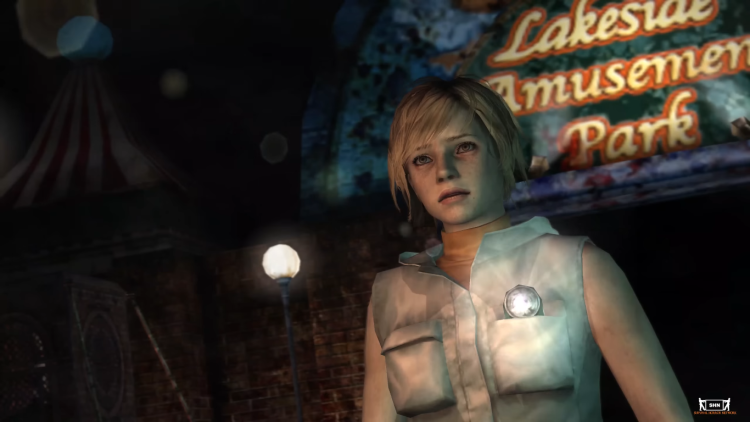
Silent Hill 3 is one of the shortest mainline entries, but it rarely feels slow. The game moves faster, pushes enemies harder, and leans into a more aggressive style of psychological horror. It also wastes very little time getting to the disturbing stuff, which is honestly respectful in a deeply uncomfortable way.
Performance-wise, Silent Hill 3 remains one of the easiest entries to run on weaker PCs. Even many integrated graphics systems can handle it comfortably today, especially compared to modern horror releases that expect far more VRAM and CPU power. If you still use older Intel integrated graphics, our Intel HD Graphics Gaming Guide covers what older hardware can realistically handle.
Which Silent Hill Game Is the Scariest?
This is where Silent Hill becomes difficult to rank objectively because fear works differently for everyone. Some players fear relentless enemies. Others fear isolation, sound design, or the psychological breakdowns these games throw at you when you least expect them. Silent Hill rarely relies on cheap jump scares. Instead, it slowly grinds away at your comfort level until even opening a random bathroom door feels like a terrible idea.
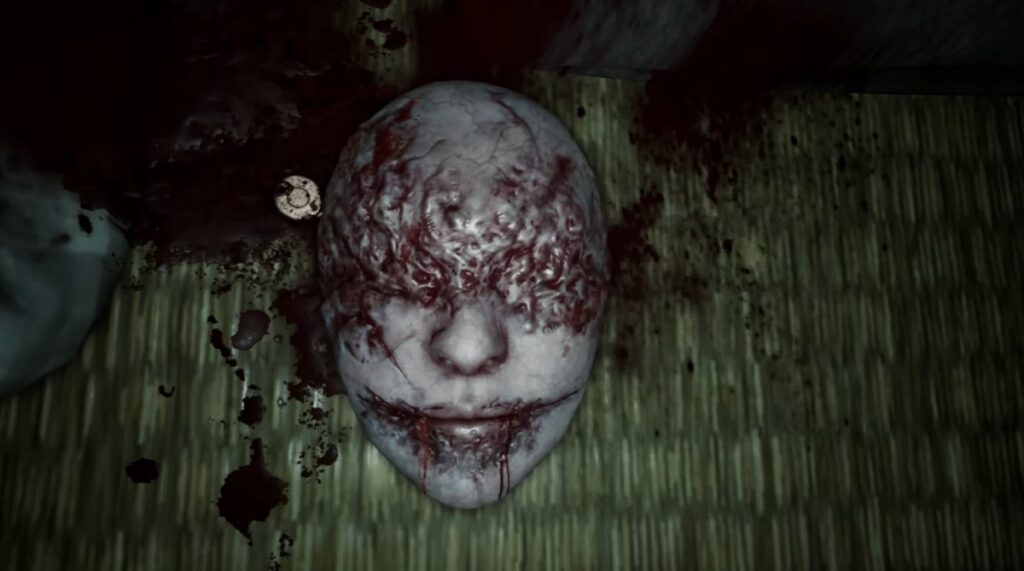
That said, a few games clearly stand above the others when it comes to sustained tension and psychological damage.
Silent Hill 2 Still Hits the Hardest
For most fans, Silent Hill 2 remains the scariest game in the franchise, not because it has the strongest combat or the loudest monsters, but because it weaponizes atmosphere and emotional dread better than almost any horror game ever made.
The game constantly creates tension through silence, fog density, distant audio cues, and the feeling that something deeply wrong is following you even when nothing is visible. Pyramid Head became iconic for a reason, but honestly, the real horror is the game’s emotional pacing. Silent Hill 2 feels oppressive in a way that sticks with you long after the credits roll.
The remake amplifies this further with modern lighting, improved audio design, and far more detailed environments, though that visual leap comes with significantly heavier hardware demands.
Silent Hill 3 Is More Aggressive and Stressful
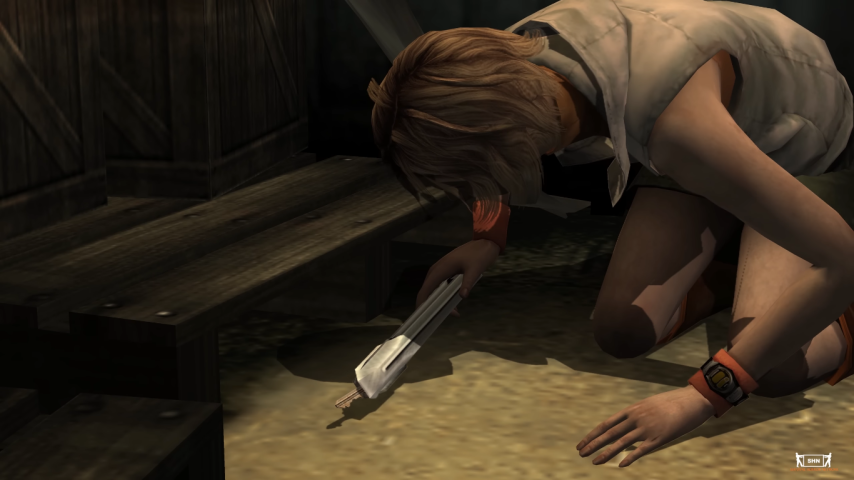
While Silent Hill 2 leans into psychological dread, Silent Hill 3 feels sharper and more hostile. Enemy encounters are faster, environments become more grotesque, and Heather Mason’s reactions make the horror feel more immediate and personal.
It is also one of the few games in the franchise that still feels genuinely intense even today. Some older horror games lose their edge over time. Silent Hill 3 absolutely does not.
Silent Hill 4 Trades Fear for Unease
Silent Hill 4: The Room is less traditionally scary than Silent Hill 2 or 3, but it creates an exhausting sense of discomfort that slowly wears players down. The apartment haunting system remains one of the most effective psychological mechanics in the franchise because it turns your only safe space into another source of stress.
It is not always the scariest game moment-to-moment, but it may be the most emotionally draining entry over long sessions.
Silent Hill Games That Run Well on Weak PCs
This is where the Silent Hill franchise becomes surprisingly friendly to low-end gamers. Most of the classic entries were built long before modern hardware demands exploded, which means older PCs, office desktops, and integrated graphics systems can still handle several of these games comfortably in 2026.
That makes Silent Hill one of the better horror franchises for players stuck on weaker hardware. While modern AAA horror games often demand dedicated GPUs and fast SSDs, older Silent Hill titles focus more on atmosphere, audio design, and environmental tension than raw graphical complexity.
If your machine struggles with newer releases, the older Silent Hill games remain some of the best offline horror experiences available today. We also cover more older titles in our guide to Offline Games That Actually Run on Weak PCs.
Silent Hill 2 and 3 Still Run Extremely Well
The original Silent Hill 2 and Silent Hill 3 are easily the safest entries for weaker systems. Even many older Intel HD integrated graphics chips can handle them without major problems, especially if you use community fixes or enhanced editions.
These games were designed around hardware limitations that are tiny by modern standards, so even older laptops often have enough CPU and GPU power to maintain smooth gameplay. In many cases, storage speed matters more than graphics power because modern Windows systems sometimes introduce compatibility quirks rather than performance limitations.
For low-end horror fans, this is honestly ideal. You still get some of the greatest psychological horror games ever made without needing to sell a kidney for a modern GPU.
Integrated Graphics Can Handle Most Classic Entries
Many players assume horror games automatically require powerful hardware because modern releases like Alan Wake 2 and the Silent Hill 2 Remake are extremely demanding. But classic Silent Hill games are a completely different story.
Integrated graphics systems like Intel HD 4000, UHD 620, Vega integrated graphics, and similar entry-level chips can often run Silent Hill 2 and 3 comfortably at lower resolutions. Older DDR3-era systems may still struggle with emulation overhead in some cases, but native PC versions usually perform well.
If you mainly play on integrated graphics hardware, our Intel HD Graphics Gaming Guide breaks down what older chips can realistically handle without turning your horror game into a slideshow.
4GB RAM Systems Are Still Surprisingly Viable
One of the nice things about retro horror games is that they rarely need massive amounts of memory. Most classic Silent Hill games remain playable on systems with only 4GB of RAM, provided Windows itself is not already eating your machine alive in the background.
This makes the older entries excellent choices for:
- cheap second-hand laptops
- older office PCs
- budget integrated graphics systems
- garage “backup” gaming rigs that somehow refuse to die
If your current system falls into the “technically still functioning” category, you may also want to check our list of Best Games for 4GB RAM PCs That Run Smoothly.
The Biggest Problem Is Compatibility, Not FPS
Ironically, the hardest part about playing older Silent Hill games today is often getting them to launch properly rather than getting good framerates. Some PC versions need:
- widescreen fixes
- controller patches
- fan-made enhancement packs
- audio fixes
- community launchers
Once configured properly though, most of these games run beautifully on weak hardware. That is part of why older horror titles still dominate low-end gaming communities. They rely more on atmosphere and pacing than brute-force graphical power.
And honestly? Some of them are still scarier than modern games running at ultra settings with ray tracing melting your GPU.
Silent Hill 2 Remake Performance Reality Check
The Silent Hill 2 Remake is where the franchise stops being friendly to weak PCs and starts demanding modern hardware. Visually, the remake is stunning. The fog density, lighting, reflections, environmental detail, and audio design massively elevate the atmosphere. Unfortunately, Unreal Engine 5 also brings the usual collection of modern PC gaming problems along with it.
If you are expecting the remake to run like the older games on integrated graphics or aging DDR3 systems, the answer is simple: absolutely not.
The remake heavily stresses:
- CPU performance
- VRAM capacity
- SSD streaming speed
- modern shader compilation pipelines
- system memory bandwidth
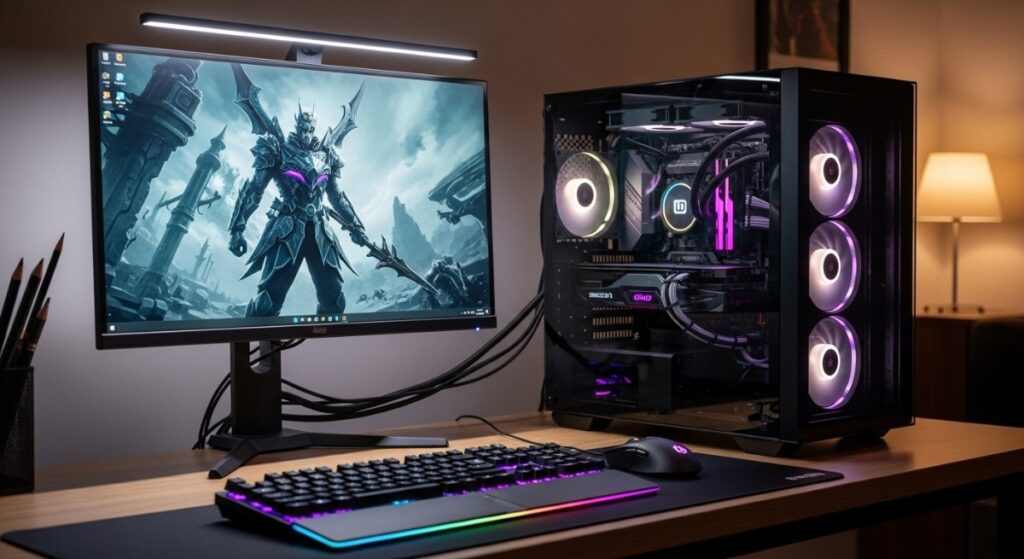
This means older quad-core CPUs, entry-level GPUs, and traditional hard drives can struggle badly in heavier areas. On weaker hardware, traversal stutter and inconsistent frametimes become far more noticeable, especially while moving through detailed outdoor sections.
Shader Compilation Stutter Is a Real Problem
Like many Unreal Engine 5 games, Silent Hill 2 Remake can suffer from shader compilation stutter on some systems. Even decent hardware may experience temporary hitching when entering new areas, loading effects, or triggering heavier environmental sequences.
This becomes much worse on weaker CPUs because the game constantly streams assets and processes lighting information in the background. If your games regularly stutter on lower-end hardware, our guide on Why Games Stutter on Low End PCs explains the biggest causes and realistic fixes.
SSD Storage Matters More Than You Think
The remake also benefits heavily from SSD storage. Traditional hard drives can increase texture pop-in, loading pauses, and traversal hiccups because modern engines constantly stream data while you move through environments.
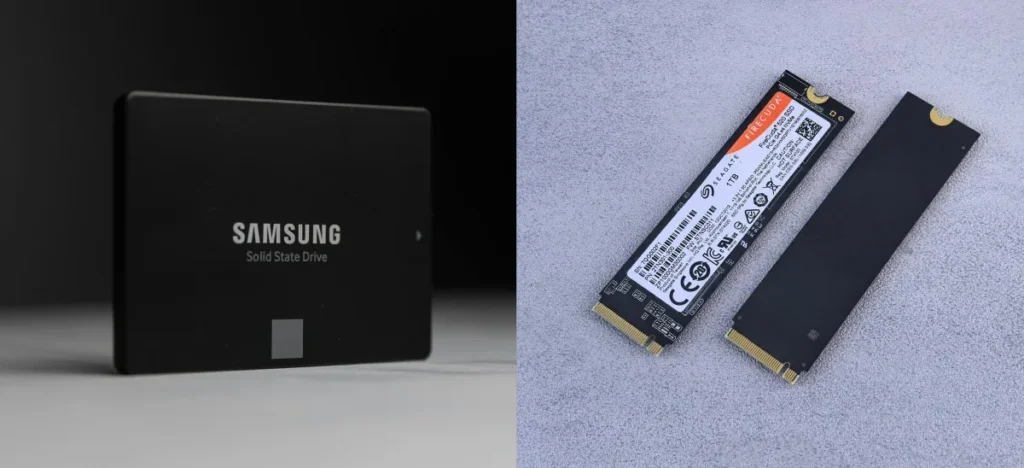
This does not mean you need the most expensive SSD on Earth, despite what marketing departments would like you to believe at 2AM. But moving from an older HDD to even a basic SATA SSD can dramatically improve overall responsiveness in modern horror games.
If you are considering upgrades specifically for smoother modern gaming, our breakdown of SSD Performance for Gaming: What Actually Matters explains where storage upgrades genuinely help and where they mostly become benchmark flexing.
Should You Upgrade for the Remake?
Honestly, it depends how old your current system is. Players already using:
- modern Ryzen CPUs
- Intel 12th-gen or newer processors
- 16GB RAM
- mid-range GPUs
- SSD storage
…will usually have a much smoother experience than users still gaming on aging office hardware.
If your PC struggles badly with newer games in general, targeted upgrades often help more than full rebuilds. In many cases, improving storage or replacing a severely outdated GPU delivers the biggest real-world improvement. Our guide to Cheap Gaming Upgrades That Actually Boost FPS covers which upgrades matter most for struggling systems.
Which Silent Hill Should You Start With?
The best Silent Hill game to start with depends entirely on what kind of horror experience you want. Some players want pure psychological damage. Others want faster pacing, heavier action, or simply the easiest entry to run on an older PC without their hardware sounding like a microwave fighting for survival.
Fortunately, the franchise covers a surprisingly wide range of horror styles despite sharing the same fog-covered DNA.
Best Overall Starting Point: Silent Hill 2
If you only play one Silent Hill game, it should probably be Silent Hill 2. The pacing, atmosphere, soundtrack, symbolism, and emotional storytelling still hold up decades later, and it remains one of the strongest psychological horror games ever made.
The original version also runs extremely well on older PCs, making it one of the safest entry points for low-end gamers who still want the full Silent Hill experience without modern hardware headaches.
For many players, Silent Hill 2 represents the perfect balance between:
- psychological horror
- manageable runtime
- strong replay value
- hardware accessibility
Best for Weak PCs: Silent Hill 3
Silent Hill 3 remains one of the smoothest experiences on older systems while still looking surprisingly good today. The visual style aged far better than many early 2000s games because the developers leaned heavily into lighting, texture work, and oppressive atmosphere instead of raw polygon flexing.
It is also shorter and more aggressive than Silent Hill 2, which makes it easier to finish over a weekend without feeling trapped inside a nightmare dimension for half your life.
If your hardware is extremely limited, older horror games like Silent Hill 3 are often safer choices than modern AAA releases. We also cover more older low-spec RPG and horror-friendly experiences in our guide to Best Free RPGs for Low End PC That Still Slap on Old Hardware.
Best for Pure Psychological Horror: Silent Hill 2 Remake
The remake modernizes Silent Hill 2’s atmosphere incredibly well. Improved lighting, environmental detail, facial animation, and audio design make the world feel even more oppressive than before.
But there is a trade-off. Unlike the original games, the remake is significantly harder on weaker systems and demands modern hardware to maintain stable performance. Players still using older CPUs, integrated graphics, or mechanical hard drives may struggle badly unless settings are lowered aggressively.
This is one of those rare horror games where your PC can become part of the tension accidentally.
Best for Replayability: Silent Hill 3 and Silent Hill 2
Both games remain highly replayable because of:
- multiple endings
- unlockable weapons
- bonus costumes
- alternate scenes
- difficulty modifiers
They are also short enough to replay comfortably without requiring another 80-hour commitment. That matters more than people admit. Shorter horror games often age better because replaying them feels exciting rather than exhausting.
Replay Value and Multiple Endings
One of the smartest things about the Silent Hill franchise is how much replay value it squeezes out of relatively short games. Most entries can be completed in under 10 hours, yet many players return repeatedly because the games hide alternate endings, secret weapons, bonus modes, and small narrative changes behind multiple playthroughs.
This design philosophy is part of why older PC games continue surviving long after newer releases disappear from public memory. Strong atmosphere and replayability often age better than raw graphics technology.
Multiple Endings Keep the Games Fresh
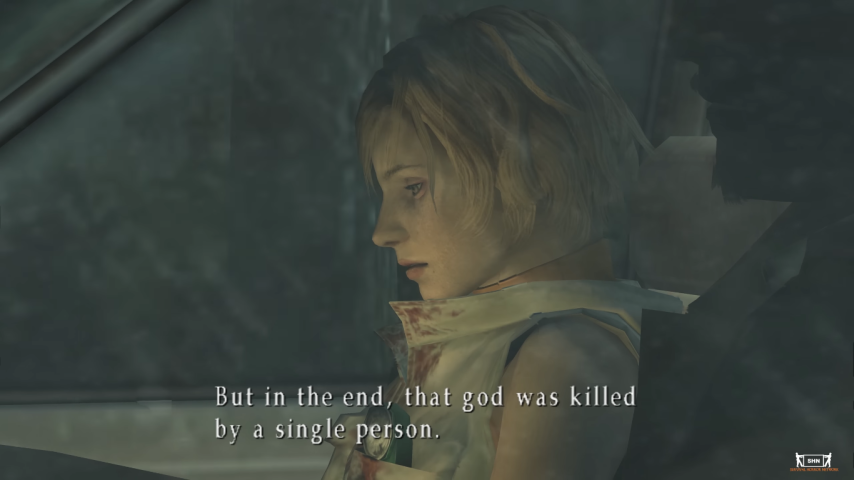
Silent Hill games rarely tell players everything in a single run. Different endings can completely change how certain story events feel, especially in Silent Hill 2 where player behavior subtly influences the outcome.
This encourages experimentation naturally instead of forcing replayability through endless grinding or filler content. You replay these games because you want answers, not because the game locked the “real ending” behind 200 collectible pigeons hidden in cursed bathrooms.
Shorter Games Benefit Replayability
Another reason Silent Hill remains replayable is simple: the games respect your time. Replaying an 8-hour horror game feels manageable. Replaying a bloated 60-hour open-world game immediately sounds like a tax audit.
The shorter runtimes also make speedrunning communities thrive. Some experienced players can finish older Silent Hill games in under an hour using optimized routes and glitches, although most normal humans will probably spend longer than that nervously checking empty corridors.
FAQs
How long does Silent Hill 2 take to beat?
The original Silent Hill 2 usually takes around 8 hours for the main story and roughly 11–15 hours for players exploring thoroughly or chasing multiple endings. The remake is significantly longer and can exceed 14 hours for first-time players.
Which Silent Hill game is the shortest?
Silent Hill and Silent Hill: Shattered Memories are generally among the shortest entries, often taking around 6 hours for a standard playthrough.
Can weak PCs run Silent Hill 2 Remake?
Most older low-end systems will struggle with the remake because of Unreal Engine 5’s hardware demands. Integrated graphics and older DDR3-era machines are unlikely to provide a smooth experience without major compromises.
Which Silent Hill game runs best on old hardware?
Silent Hill 2 and Silent Hill 3 remain the safest options for older PCs and integrated graphics systems. Both games have relatively low hardware demands compared to modern horror releases.
Are Silent Hill games scary or just stressful?
Honestly, both. Silent Hill relies heavily on psychological tension, oppressive atmosphere, sound design, and emotional discomfort rather than constant jump scares.
For more detailed community-submitted completion times across the entire franchise, you can also check the HowLongToBeat database. For official franchise news and remake updates, visit the Konami official site.
Final Verdict
Silent Hill remains one of the few horror franchises where shorter runtimes actually work in its favor. Most games can be finished in a weekend, yet the atmosphere, sound design, and psychological pressure stick with players for years afterward.
For low-end gamers, the older entries are still fantastic choices in 2026 because they focus more on atmosphere than brute-force graphical power. Silent Hill 2 and Silent Hill 3 especially remain excellent options for weaker PCs and integrated graphics systems.
The Silent Hill 2 Remake is a different beast entirely. It delivers incredible atmosphere and modern visuals, but Unreal Engine 5 brings heavy hardware demands that older systems may struggle to handle comfortably.
If you want the best balance between:
- playtime
- fear factor
- replay value
- hardware accessibility
…the original Silent Hill 2 still sits at the top of the fog-covered mountain.
Just do not expect to sleep particularly well afterward.