

Updated 06/06/2026
Hollow Knight: Silksong is finally here, which means the old release-date panic is dead and buried. The real question now is simple: was the wait worth it, and how does the game actually run on normal PCs?
This article looks at Silksong as a game first and a PC performance test second. That matters because most players are not sitting on a perfect benchmark setup. Some are on gaming laptops, some are on old office PCs, and some are praying their integrated graphics do not catch fire during boss fights.
Developer Team Cherry has clearly treated Silksong as a true sequel rather than a simple expansion.
If you are still learning where Silksong fits in the wider PC gaming world, our PC Gaming Genres for Beginners guide is a good place to start. Silksong is a Metroidvania, which means exploration, upgrades, locked paths, backtracking, and bosses that absolutely did not come here to respect your evening.
Quick Answer: Is Hollow Knight: Silksong Worth Playing?
If you just want the fast answer, yes, Silksong is worth playing if you enjoyed Hollow Knight or want a sharper, faster, more demanding Metroidvania. It is not a lazy sequel, and it does not feel like an expansion wearing a new hat.
| Question | Answer |
|---|---|
| Is Silksong worth playing? | Yes, especially if you like tough action-platformers. |
| Is it beginner friendly? | Not really. It expects patience. |
| Is it harder than Hollow Knight? | In many ways, yes. Hornet is faster, but the game pushes back harder too. |
| Is it good on PC? | Yes. PC is one of the best ways to play it. |
| Is Silksong low-end PC friendly? | Mostly, but very old integrated graphics may still struggle. |
| Is it GPU heavy? | No. This is not a modern AAA hardware bully. |
| Is it CPU heavy? | No, but weak systems can still suffer from background tasks and Windows bloat. |
What Is Hollow Knight: Silksong?
Hollow Knight: Silksong is the long-awaited follow-up to Team Cherry’s Hollow Knight, but this time you play as Hornet instead of the Knight. That one change affects almost everything. Movement is quicker, combat is sharper, and the world feels built around vertical speed rather than slow, careful crawling.
The setting shifts to Pharloom, a new kingdom filled with enemies, towns, quests, platforming routes, and the usual collection of things that want to turn you into bug soup. It is still very much a Metroidvania, but the rhythm is different. You are not just surviving the world anymore, you are slicing through it with a lot more speed and a lot less forgiveness.

Quick Verdict
Silksong works because it does not simply copy Hollow Knight. It keeps the atmosphere, danger, exploration, and boss pressure, but it rebuilds the moment-to-moment feel around Hornet’s movement. That makes it familiar, but not safe.
The best parts are the sharper combat, faster traversal, stronger sense of momentum, and the way Pharloom constantly pushes you forward. The weaker parts are exactly what you would expect from a sequel this hyped: some players will find it harsher, less lonely, and less mysterious than the original.
- Play it if: you want a faster, harder, more aggressive Metroidvania.
- Skip it if: you hated Hollow Knight’s boss pressure, backtracking, or patience-testing design.
- Best platform: PC, especially if you want higher frame rates, mod potential, and flexible control options.
- BTF verdict: excellent game, friendly hardware demands, but not exactly friendly to your blood pressure.
How Silksong Compares to Hollow Knight
Hollow Knight felt lonely, heavy, and deliberate. Silksong feels faster, more vertical, and more aggressive. That does not automatically make it better, but it does make it meaningfully different.
The original game rewarded caution. Silksong rewards control under pressure. Hornet can move faster, heal differently, attack with more range, and chain movement into combat more naturally. The trade-off is that enemies and bosses seem built around that extra mobility, so the game does not simply hand you more power for free.
- Movement: faster and more acrobatic than Hollow Knight.
- Combat: more aggressive, with stronger aerial control.
- Healing: quicker, but not something you can spam carelessly.
- Exploration: still layered, but more vertical and momentum-based.
- Difficulty: familiar pain, new delivery system.
What Makes Hornet Different?
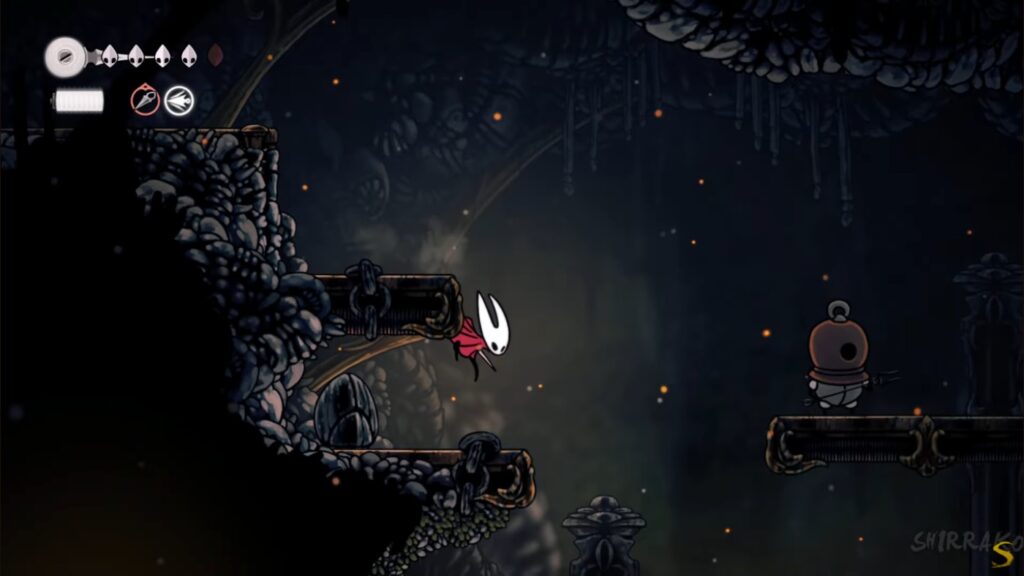
Hornet is not just the Knight with a different sprite. She changes how fights start, how escapes work, and how much confidence the game expects from you. If you play her like the Knight, Silksong will probably slap the keyboard out of your hands.
Her movement is the headline difference. She feels more agile, more direct, and more capable of turning traversal into offense. That makes basic exploration feel more active, but it also raises the skill floor. You have better tools, so the game gives enemies better ways to punish you.
Combat also feels more forward-leaning. Hornet’s reach, speed, and aerial options make fights feel less like defensive duels and more like controlled aggression. When it clicks, it feels brilliant. When it does not, you will absolutely blame the boss before quietly realizing you dashed into the same attack five times.
How Hollow Knight: Silksong Runs on Real PCs
Silksong is not the kind of game that should scare modern gaming PCs. It is a stylized 2D action-platformer, not a ray-traced open-world monster trying to roast your GPU for sport. That said, low hardware demands do not mean every PC will run it perfectly.
Most performance problems in games like this usually come from weak integrated graphics, low RAM, slow storage, Windows background junk, driver issues, or unstable frame pacing. In other words, the usual suspects. If your PC struggles in lightweight games, Silksong may expose the problem rather than create it.
Low-End PCs and Older Laptops
Low-end PCs should have a realistic shot at Silksong, especially compared to modern AAA games. If you are using an older laptop, an office desktop, or integrated graphics, this is far more approachable than most new releases. Still, do not assume every potato is invited to Pharloom without consequences.

Systems with Intel UHD, Iris Xe, Vega integrated graphics, or older low-profile GPUs should focus on stable frame pacing over chasing the highest possible frame rate. If your machine only has 4GB of RAM, close background apps before playing. Browser tabs, launchers, Discord overlays, and Windows update nonsense can hurt weak systems more than the game itself.
If you are not sure what your integrated graphics can realistically handle, check our Intel HD Graphics Gaming Guide. For very weak machines, our Best Games for 4GB RAM PCs list is also worth keeping nearby.
Mid-Range PCs
Mid-range PCs should handle Silksong comfortably. If you are using something like a GTX 1650, RX 580, RTX 2060, or a newer budget GPU, the game should not be a serious challenge. Your bigger concern is usually consistency, not raw horsepower.
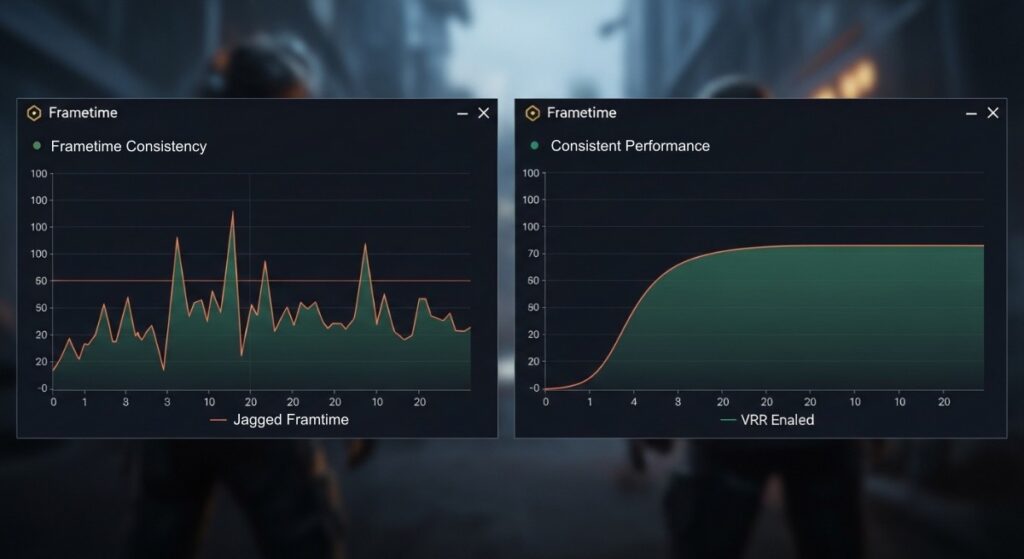
This is where frame pacing matters. A game like Silksong depends on quick reactions, clean jumps, and readable boss patterns. Even small stutters can make the game feel worse than it should. If the frame rate is technically high but the game feels uneven, the problem may be system load, drivers, overlays, or frame timing.
High-End PCs
High-end PCs are complete overkill for Silksong, which is a nice change from the usual PC gaming tax. You do not need a monster GPU, a huge CPU, or enough RGB to signal aircraft. A strong gaming rig should run Silksong effortlessly.
The only thing I would watch on high-end systems is unnecessary heat, uncapped FPS, and background load. Some lightweight games can run at absurd frame rates if left uncapped, which may increase heat and power use for no real benefit. A sensible frame cap can make the experience smoother and quieter.
Steam Deck and Handheld PCs
Silksong is a natural fit for handheld play. The art style, 2D structure, and quick session potential make it ideal for Steam Deck-style devices. The bigger question is not whether the game belongs on handhelds, but how stable the experience feels during busier areas and tougher boss fights.
For handheld PCs, I would prioritize battery life, input comfort, and stable frame pacing. A locked frame rate often feels better than an unlocked one that jumps around. This is especially true in a game where one missed input can turn a clean boss attempt into a short lesson in humility.
Performance Tips Before You Blame Silksong
Silksong should not need deep optimization for most players, but weak PCs love finding creative ways to embarrass you. Before blaming Team Cherry, check the basics. A lightweight game can still feel awful if Windows is busy doing Windows things in the background.
Start by watching temperatures, clocks, and usage while the game runs. Our guide to monitoring temps, clocks, and usage shows you how to spot obvious throttling or weird hardware behavior without turning your desktop into a NASA dashboard.
If the game feels laggy even though your frame rate looks fine, read our guide to reducing lag without sacrificing graphics. If your PC gets worse the longer you play, our Hidden Throttles Killing FPS checklist is the next place to look.
And if Silksong stutters even on low settings, do not just keep lowering graphics until the game looks like a cave painting. Use our low-settings stutter guide to figure out whether the issue is CPU load, RAM pressure, storage, drivers, or background junk.
Is Hollow Knight: Silksong Worth Playing in 2026?
Yes, Silksong is worth playing if you want a challenging, stylish, movement-heavy Metroidvania that respects skill more than comfort. It is not trying to be cozy. It is trying to make you better, usually by beating the lesson into you one boss attempt at a time.
The game works best for players who loved Hollow Knight’s structure but wanted a faster main character and more aggressive combat. Hornet makes the sequel feel more active without stripping away the mystery and tension that made the first game special.
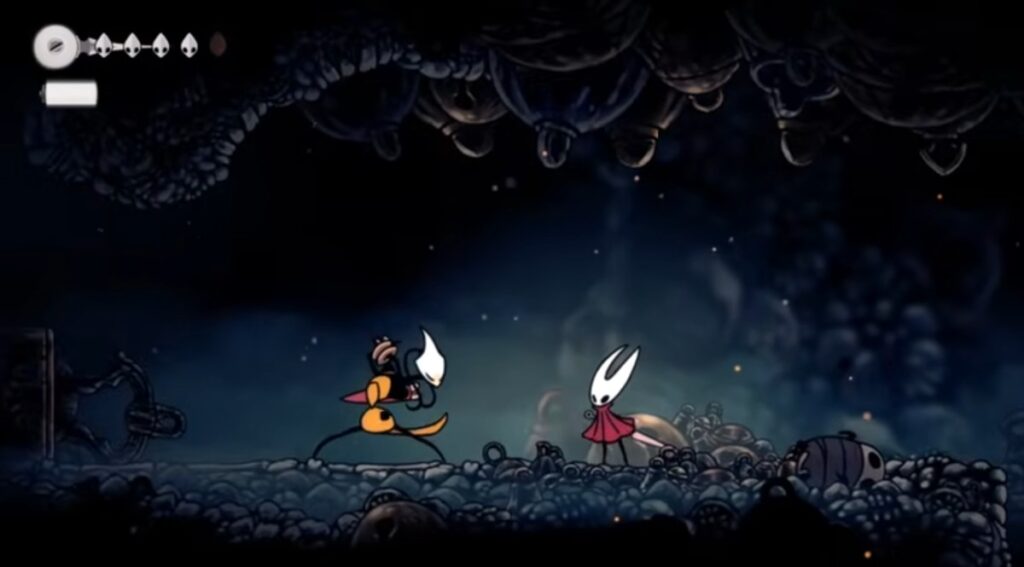
If you prefer slower exploration, easier combat, or games that explain every system immediately, Silksong may test your patience. That is not a flaw by itself. It just means the game knows what it is, and what it is happens to be sharp, demanding, and occasionally rude.
If you want more PC games that hold up beyond hype windows, our PC Games Actually Worth Playing hub is the better rabbit hole to fall into next.
Why Some Players Might Be Disappointed
Silksong had years of hype behind it, and that is dangerous. No game can safely carry that much expectation without disappointing someone. If you waited for a perfect sequel that fixes every issue, reinvents the genre, and personally apologizes for the delay, you may need to lower the crown a bit.
The biggest disappointment for some players will be that Silksong still feels brutally specific. It is not suddenly more casual, more forgiving, or more guided. It expects you to learn enemy patterns, understand movement, revisit areas, and accept failure as part of the process.
Some Hollow Knight fans may also miss the slower, lonelier mood of the original. Hornet’s speed changes the emotional texture of the game. Silksong feels more urgent, more animated, and more aggressive. That is exciting, but it is not the exact same flavor of misery soup.
There is also the hype problem. After waiting this long, some players expected a life-changing event. Silksong is not that. It is a very good game. That should be enough, but the internet is allergic to normal expectations.
Final Verdict
Hollow Knight: Silksong is exactly the kind of sequel that makes sense after a long wait. It does not throw away Hollow Knight’s identity, but it does not lazily replay it either. Hornet changes the rhythm, Pharloom changes the pace, and the whole game feels built around sharper movement and higher pressure.
On PC, the good news is simple: Silksong should run well on a wide range of systems. It is not a hardware monster, and most performance issues will likely come from weak laptops, bad background processes, unstable frame pacing, or neglected Windows setups rather than the game itself.
If you enjoyed Hollow Knight, play it. If you bounced off Hollow Knight because it was too demanding, Silksong probably will not magically fix that relationship. And if you are on an older PC, this is one of the rare modern releases where you may actually have a fighting chance.
For more games in a similar action-heavy lane, you may also like our Hades II review. If you want something completely different but still worth your time, our Baldur’s Gate 3 revisit is another strong next stop.
FAQ
Can my PC run Hollow Knight: Silksong?
Most modern PCs should run Hollow Knight: Silksong without much trouble. Older laptops and integrated graphics systems may still need lower settings, closed background apps, and a stable frame cap to keep the game feeling smooth.
Is Hollow Knight: Silksong good on low-end PCs?
Silksong is much more low-end friendly than most modern releases, but that does not mean every old PC will run it perfectly. If your system has very limited RAM, weak integrated graphics, or thermal throttling, you may still see stutter or uneven frame pacing.
Is Silksong harder than Hollow Knight?
Silksong can feel harder because Hornet is faster and the game seems built around that speed. You have more movement options, but enemies and bosses are also tuned to challenge them.
Does Silksong need a powerful GPU?
No, Silksong is not a GPU-heavy game in the way modern AAA open-world games are. A modest gaming GPU should be more than enough, while integrated graphics may depend heavily on the specific chip and system memory.
Is Silksong worth buying on PC?
Yes, PC is one of the best platforms for Silksong thanks to flexible controls, high frame rates, and potential mod support. If you care about smooth performance and long-term replayability, PC is a strong choice.
What should I play after Silksong?
If you want more fast, stylish action, Hades II is an easy recommendation. If you want something slower, deeper, and more tactical, Baldur’s Gate 3 is a completely different beast but still one of the best PC games around.