
This is your no-nonsense breakdown of Power Supplies Explained Wattage, Efficiency And Safety in plain English. No guesswork, no marketing noise, and no pretending that a $25 “gaming PSU” is somehow safe because it has RGB. The power supply is your PC’s insurance policy. If it fails, it does not just fail quietly. It can take your motherboard, GPU, and drives with it.
Most people spend hours choosing a GPU and about 12 seconds choosing a power supply. That decision order is backwards. If you care about gaming PC upgrades that actually matter, stable and clean power sits right at the top of the list.
What a Power Supply Actually Does
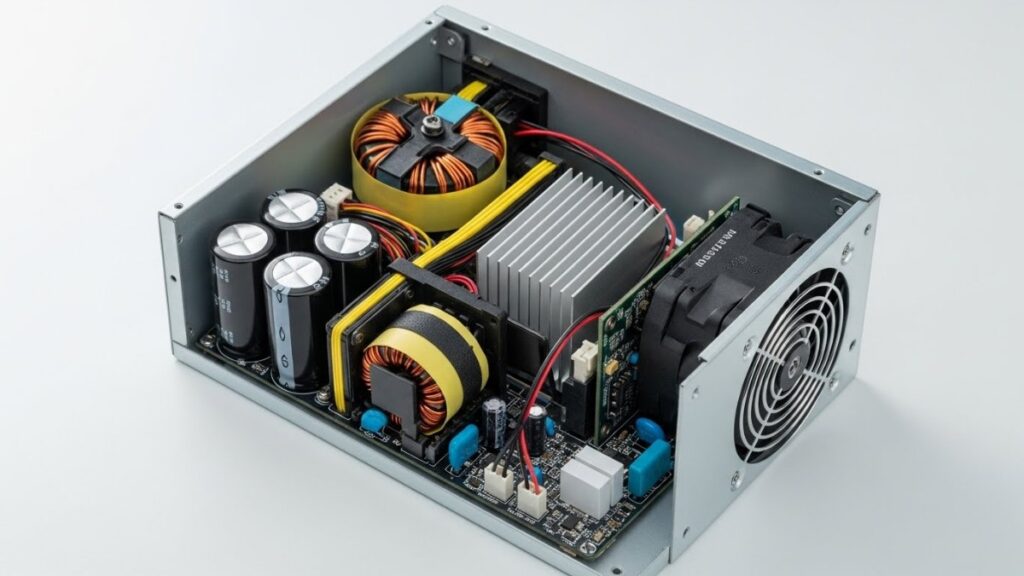
A PSU converts wall power into the stable, low-voltage DC power your components need. It filters electrical noise, manages sudden load changes, and shuts down safely when something goes wrong. It is not a passive part. It actively protects everything connected to it.
When people say “my PC just died,” the power supply is often the first suspect for a reason.
PSU Wattage Explained Without Overbuying Like a Maniac
This is where power supply wattage and efficiency explained properly saves you money. Wattage is capacity, not quality. You need enough headroom for peak load, not a nuclear reactor in your case. If you are building from scratch, follow this step-by-step gaming PC build breakdown to stay on budget and on performance.
Why Wattage Numbers Are Confusing
CPU and GPU manufacturers quote TDP or board power, but real power draw changes dynamically. GPUs spike power in milliseconds. CPUs surge during boost. Cheap PSUs cannot handle these spikes properly, especially when paired with modern GPUs like those in this 1080p and 1440p GPU guide.
How to Calculate Your Real Wattage Needs
- Take GPU maximum power draw.
- Add CPU maximum power draw.
- Add 100–150W for motherboard, storage, fans, and accessories.
- Add 25–30% headroom.
That is it. No voodoo.
Why 650W, 750W and 850W Are the Real Sweet Spots
Most gaming PCs land here:
- 650W for midrange GPUs.
- 750W for upper-midrange builds.
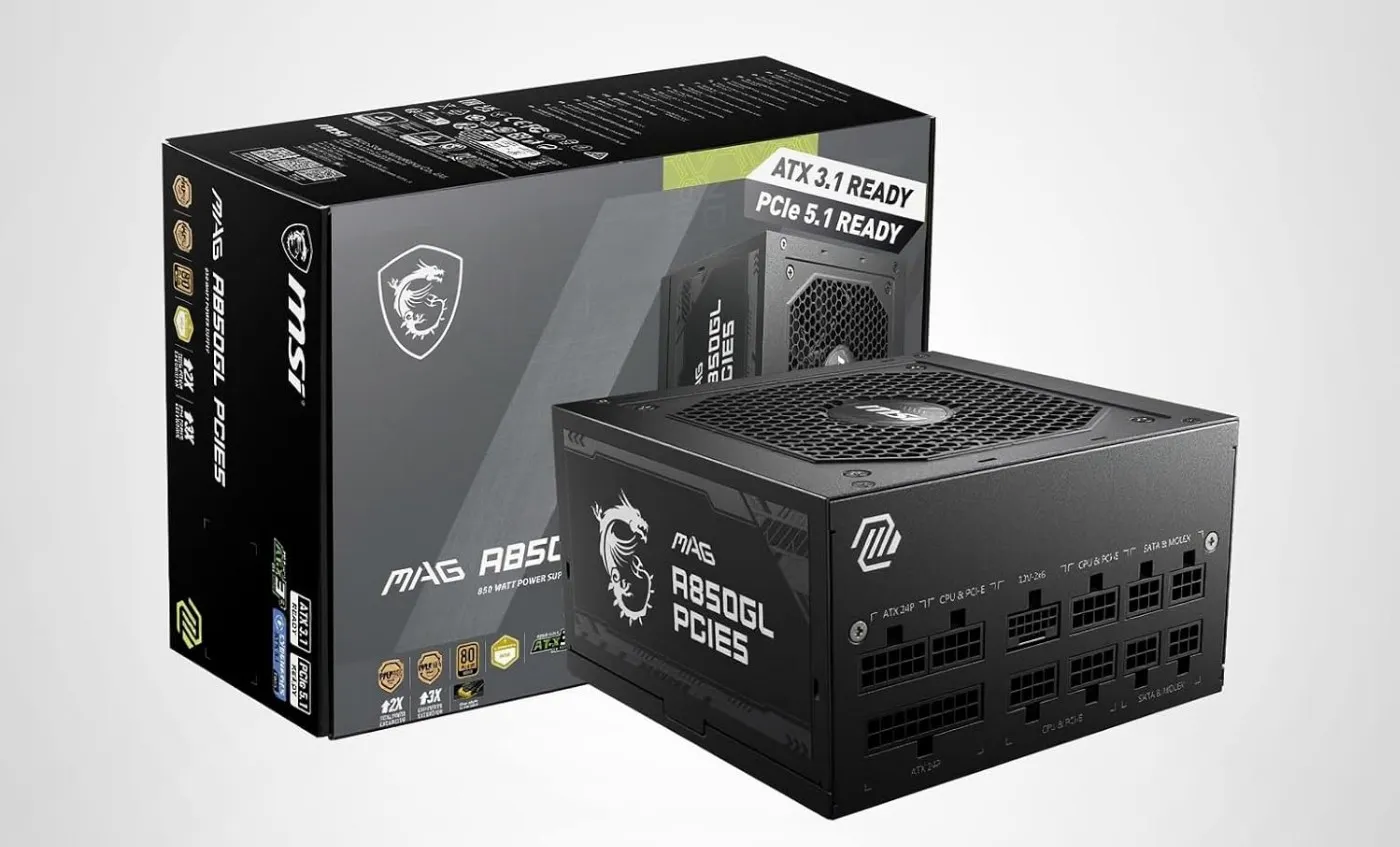
- 850W for high-end GPUs and overclocking.
Buying a 1200W PSU for a midrange GPU is like installing a fire hose to water a house plant. If you suspect a weak PSU or unstable power delivery, this GPU crash guide shows the common power-related symptoms that get mistaken for “bad drivers.”
What PSU Efficiency Really Means
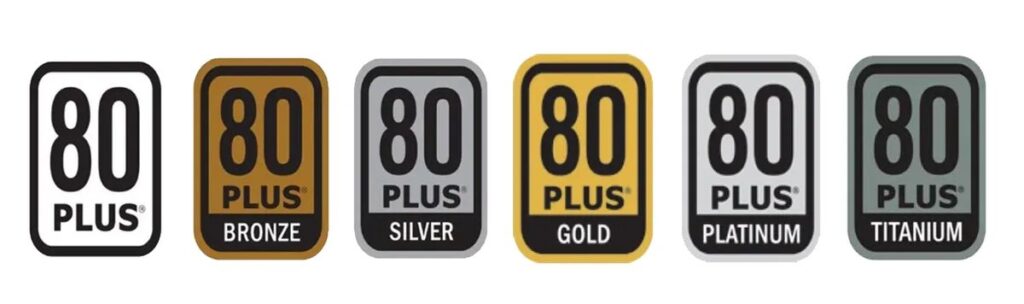
Efficiency ratings show how much power is wasted as heat, not how safe the PSU is. Efficiency measures how much wall power is converted into usable PC power. Higher efficiency means less waste heat and lower electricity costs.
The official ratings come from the 80 PLUS certification program. Bronze, Silver, Gold, Platinum, and Titanium represent different efficiency levels at specific loads.
Why Gold Is Usually the Smart Target
- Cost vs quality
- Lower heat output
- Longer component lifespan
Above Gold, you pay heavily for small efficiency gains.
Efficiency Does Not Equal Build Quality
This is where people get burned. Efficiency is not safety. A PSU can be efficient and still electrically unstable. It can pass efficiency tests while having poor voltage regulation and weak filtering. It can lack proper protection circuits that shut it down when something goes wrong.
Real quality comes from:
- Capacitor quality
- Voltage regulation accuracy
- Ripple suppression
- Protection circuitry
Some certifications like Cybenetics evaluate noise and efficiency together, giving a broader picture than 80 PLUS alone.
The Protections That Actually Save Your Hardware

These protections are the last line of defense between a power fault and your hardware. When something goes outside safe limits, they shut the PSU down before damage happens.
- OVP: Over-voltage protection
- UVP: Under-voltage protection
- OCP: Over-current protection
- OPP: Over-power protection
- OTP: Over-temperature protection
- SCP: Short-circuit protection
These are not optional extras. They are what stand between a power fault and a destroyed GPU.
Why Cheap Power Supplies Are Dangerous
Cheap power supplies cut costs where it matters most. This is one of the most common gaming PC mistakes people keep making. They use low quality components, weak filtering, and incomplete protection circuits.
- Fake wattage ratings
- Missing or broken protections
- Poor voltage stability
- Low-grade capacitors
When they fail, they fail violently. Not politely.
Modern GPUs and Why ATX 3.x Matters
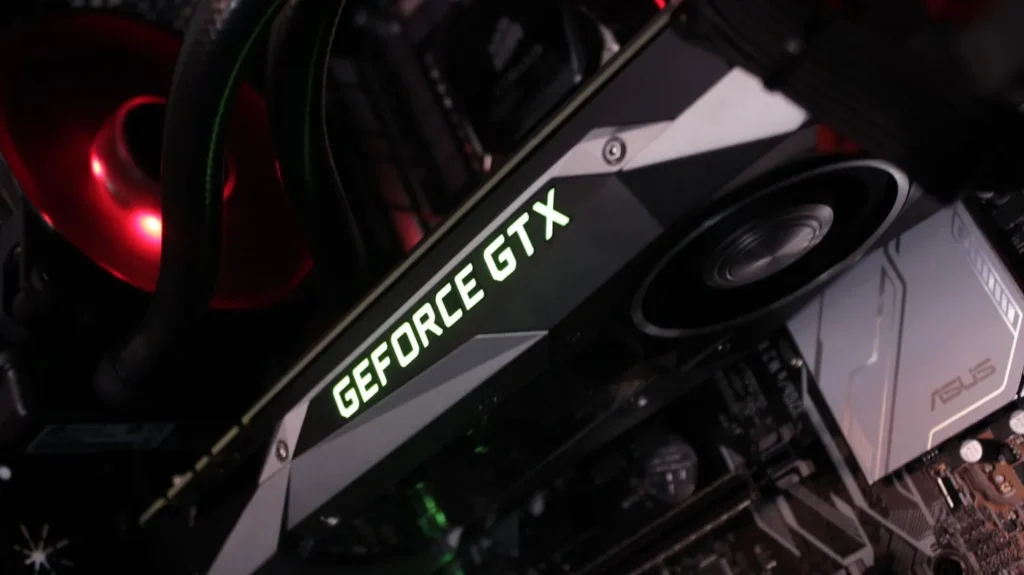
Modern GPUs can draw huge power spikes for milliseconds. Older PSUs were not built for that behavior.
Intel’s ATX 3.x guidelines define how PSUs should tolerate these spikes safely.
12V-2×6 and Cable Safety
The updated connector improves contact reliability and safety compared to early designs.
Modular vs Semi-Modular vs Non-Modular
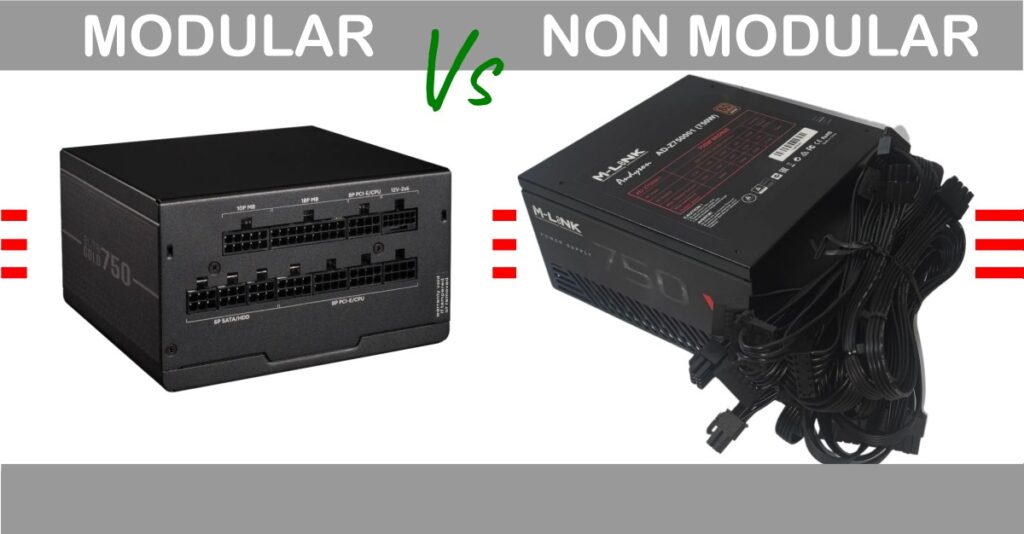
This choice is mostly about cable management and airflow, not electrical performance.
- Non-modular: cheapest, messiest.
- Semi-modular: good balance.
- Fully modular: clean builds, easier upgrades.
Warning Signs Your PSU Is Already Bad
A failing PSU often shows up as instability. If your system starts behaving like the issues covered in why games stutter on high-end PCs, unstable power can be a hidden cause.
- Random shutdowns under load
- Buzzing or electrical whining
- System instability during gaming
- Burning smell
If you experience these, stop stressing the system.
How to Choose a PSU Without Over Paying!

- Correct wattage with headroom
- 80 PLUS Gold efficiency or better
- Full protection suite
- Strong warranty
- Trusted brand platforms
- Real technical reviews
If you want to build smarter across your entire system, this guide on choosing PC parts properly ties everything together.
Once you understand the basics, buying becomes easy. This is exactly why your next stop should be the best PC power supply buying guide.
And once your hardware is stable, keeping it that way matters. This PC maintenance and optimization guide helps prevent problems before they start.
The Cheap PSU Myth That Refuses to Die
The myth survives because a cheap PSU looks harmless. It is not.
Calling a $25 PSU “gaming ready” is like calling a paper helmet battle-ready.
Power Supplies Explained Wattage, Efficiency And Safety Conclusion
You now have power supply wattage and efficiency explained clearly. A PSU is not a place to gamble. It is the one part that touches everything else. Calm power keeps expensive hardware alive. Boring power is good power. And cheap power is usually how builds die.