
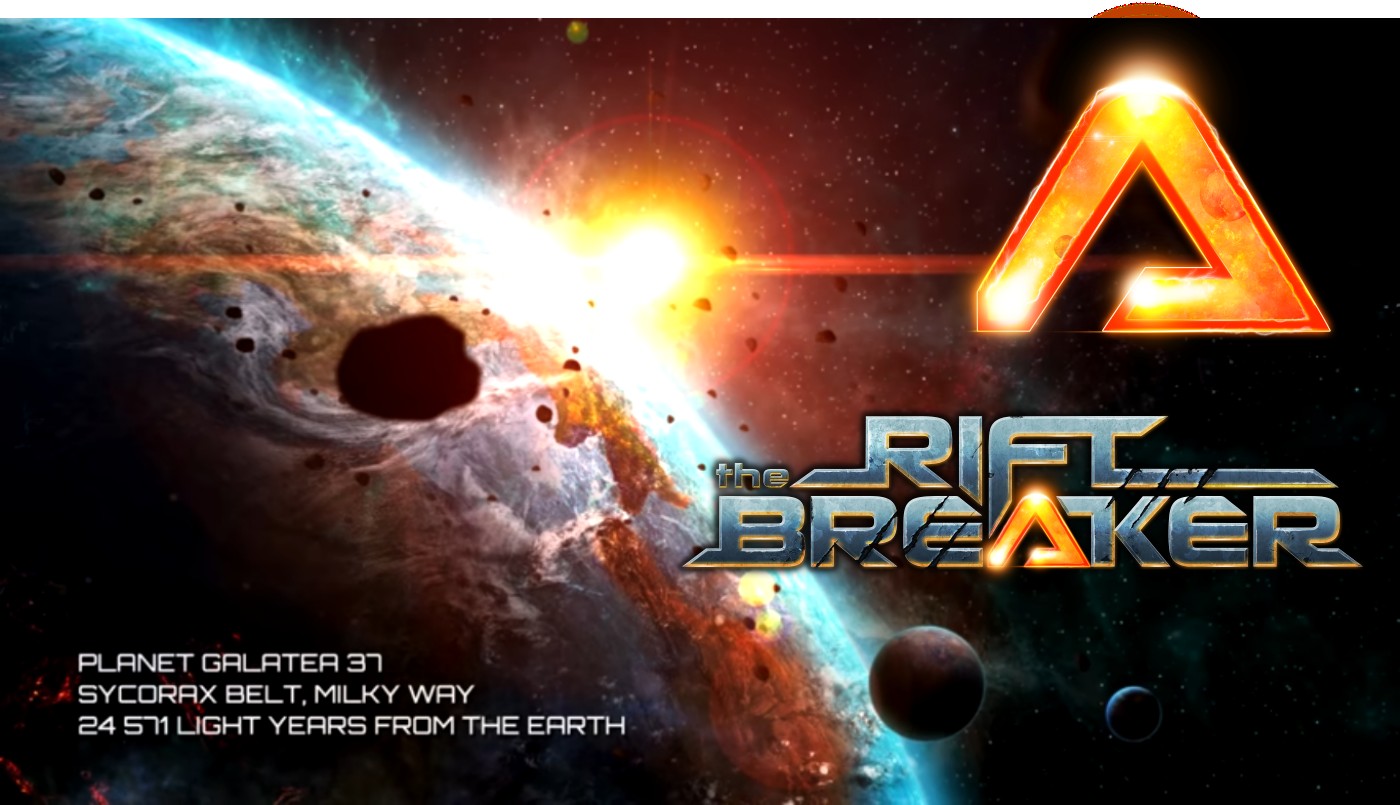
If you played Riftbreaker when it first launched, you probably saw exactly why so many strategy fans fell in love with it. Blending fast-paced action combat, base building, automation and survival into one game was a brilliant idea. So Is Riftbreaker Worth Playing?
Unfortunately, brilliant ideas don’t always make flawless games. As the hours piled up, many players began running into the same frustrations: inventory management became tedious, late-game performance could suffer, replayability started to fade and the lack of co-op left many wondering what could have been.
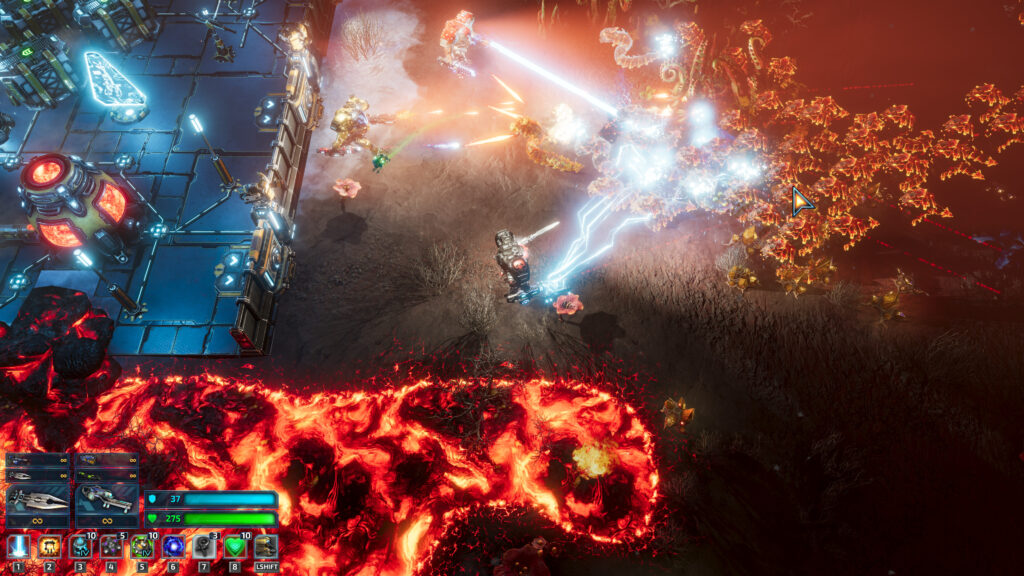
Fast forward to 2026 and the conversation around The Riftbreaker has changed dramatically. Thanks to the major 2.0 update and the improvements that followed, the game feels far more polished than it did at launch. But does that actually matter once you’re back behind the controls, or is it simply a longer list of patch notes?
Whether you’re a returning player wondering if it’s worth reinstalling, someone thinking about buying Riftbreaker for the first time, or a gamer with an older PC trying to decide if your hardware can still handle it, this guide will help you make that decision. If you’re unsure how Riftbreaker will behave on older hardware, our Low-End PC Gaming Guide explains what actually runs on weak PCs.
Instead of repeating changelogs, we’ll focus on what actually changed, why those improvements matter during real gameplay and whether The Riftbreaker is genuinely worth your time in 2026.
While this guide focuses on how the changes affect real gameplay rather than simply repeating patch notes, you can also read the official Riftbreaker 2.0 update announcement from EXOR Studios for the complete list of features and technical changes.
Is Riftbreaker Worth Playing Quick Verdict
- Worth returning? Yes. If you stopped playing after launch, you’ll immediately notice a smoother overall experience.
- Worth buying in 2026? Absolutely if you enjoy strategy, automation, survival and base-building games.
- Biggest improvement: The dozens of quality-of-life improvements collectively make the game far more enjoyable than any single feature does.
- Biggest remaining weakness: Very large late-game bases can still become demanding on older processors.
- Recommended for: Returning players, strategy fans, automation enthusiasts and co-op groups.
- BuiltToFrag Verdict: The Riftbreaker finally feels like the complete experience many players hoped for when it first launched.
Should You Return to Riftbreaker?
If you already own The Riftbreaker and haven’t touched it since the early days, the short answer is yes, you should seriously consider giving it another chance.
The reason isn’t simply because Update 2.0 introduced co-op, although that’s certainly one of the headline additions. The bigger story is how the game feels from one hour to the next.
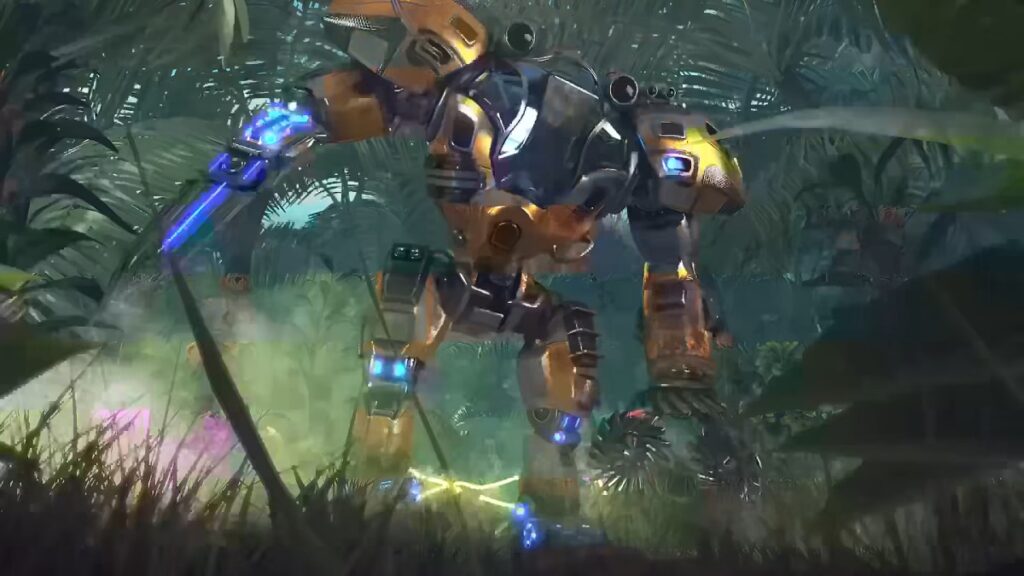
The original release had moments of brilliance that were occasionally interrupted by unnecessary friction. Managing equipment became repetitive, progression sometimes felt slower than it needed to be and certain late-game systems could make long sessions feel more exhausting than rewarding.
Those problems haven’t disappeared overnight, but they’ve been steadily reduced through a long list of improvements that work together surprisingly well. Research progression is easier to navigate, inventory management demands less of your attention, combat offers more viable weapon choices and the game generally does a better job of staying out of your way so you can focus on building an ever-expanding fortress and surviving increasingly brutal alien attacks.
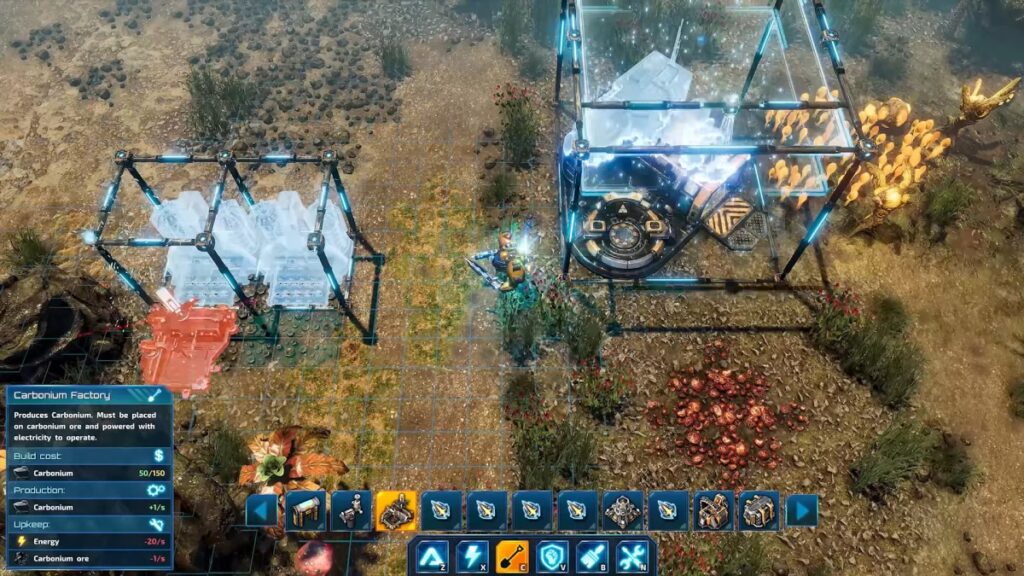
Perhaps the biggest compliment you can give the current version of Riftbreaker is that it wastes less of your time. You’re spending more time exploring, expanding and defending your base, and less time fighting menus or wondering why a particular system feels more complicated than it should. If you enjoy building, expanding and experimenting in games like Riftbreaker, check out our guide to the best sandbox PC games.
That doesn’t mean every criticism has vanished. If your idea of fun is a fast-paced action game with minimal resource management, Riftbreaker still probably isn’t for you. Likewise, players running much older hardware should keep realistic expectations, particularly once their bases become enormous and thousands of enemies begin attacking simultaneously.
For everyone else, however, the improvements are substantial enough that Riftbreaker feels less like a game trying to realise its potential and more like one that’s finally delivering on it.
Riftbreaker didn’t become a completely different game. It became a much better version of the game it always wanted to be.
Why Players Stopped Playing
Riftbreaker has always been a fantastic idea. Combining action combat, tower defence, automation, resource management and survival into one game was something few developers had attempted successfully. Even at launch, it was easy to see why so many players enjoyed it.
The problem wasn’t the core gameplay. It was everything surrounding it. The longer you played, the more small frustrations began to stack up until they started overshadowing what Riftbreaker did so well.
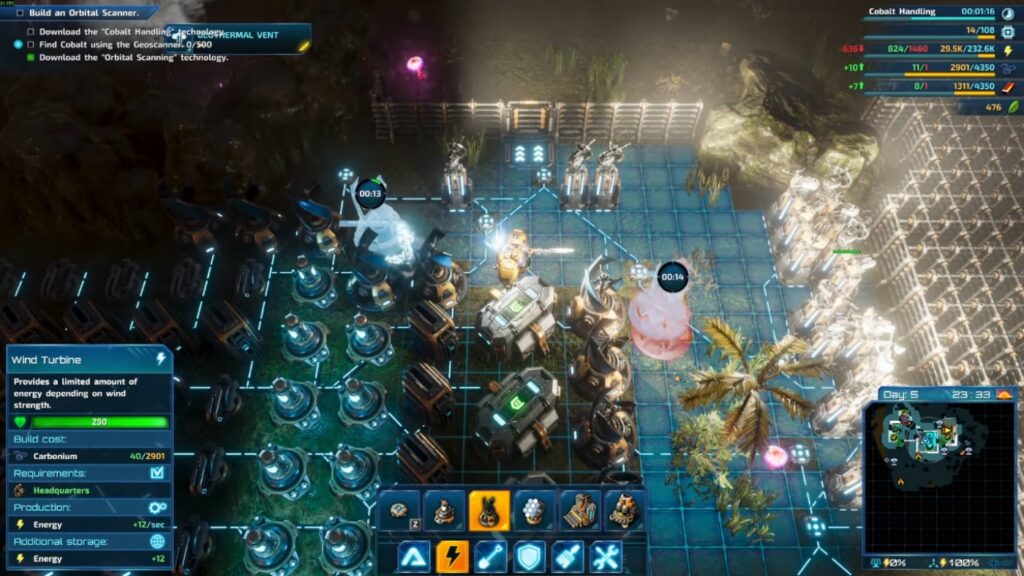
The Late-Game Grind
The opening hours are brilliant. Every new building unlock feels meaningful, every research project improves your base and every expedition rewards curiosity. Eventually though, that momentum began slowing down.
Large production chains demanded constant attention, resources became increasingly interconnected and maintaining your growing base could sometimes feel more like work than strategy. Building bigger should have felt empowering, but for some players it simply became exhausting.
Too Much Micromanagement
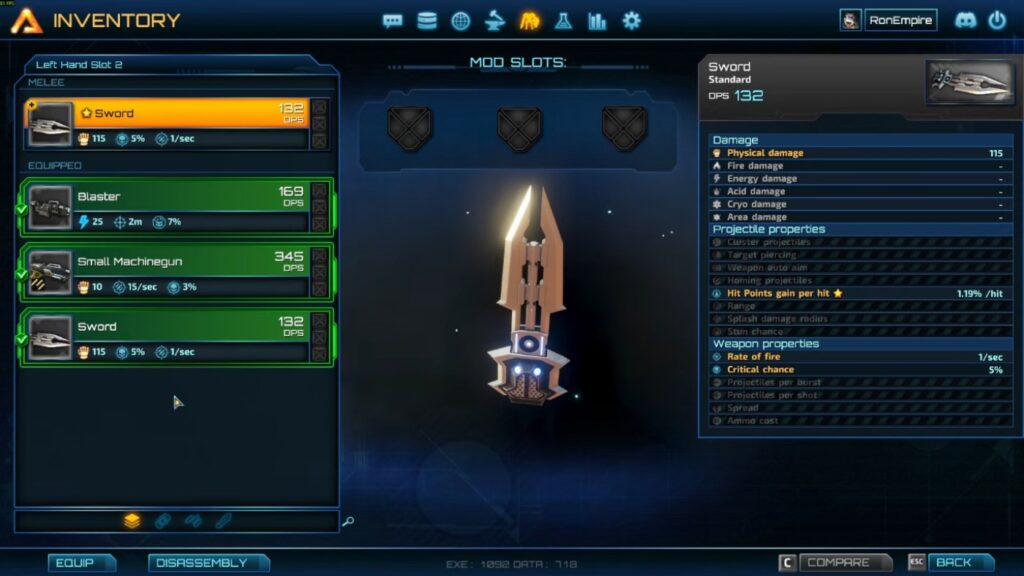
Inventory management was another common complaint. Spending several minutes sorting equipment, comparing mods and cleaning up storage wasn’t why most people bought Riftbreaker. Those interruptions gradually slowed the pace of the game, especially during longer sessions.
None of these systems were individually terrible. Together, however, they created enough friction that many players simply stopped playing once they had finished the campaign.
Performance Under Heavy Load
As your headquarters expanded, enemy attacks became larger and hundreds of automated systems were running simultaneously, performance could become inconsistent on some PCs. Lowering graphics settings often helped a little, but many players discovered that Riftbreaker wasn’t simply pushing their graphics card, it was asking a tremendous amount from their processor as well. If performance drops during huge attacks, our CPU vs GPU bottleneck guide can help you figure out what is really holding your PC back.
Fortunately, this is an area that has steadily improved through ongoing optimisation, although Riftbreaker still rewards modern CPUs more than many traditional action games.
No Co-op
Perhaps the biggest disappointment was that such a naturally cooperative game could only be played solo. Building enormous fortresses and surviving alien invasions with friends felt like an obvious next step, yet for years players could only imagine what that experience would be like.
These issues never made Riftbreaker a bad game. Quite the opposite. They stood out because the game underneath was already excellent. Players weren’t asking for a complete redesign, they simply wanted the rough edges polished.
What the 2.0 Update Actually Changed
One mistake many articles make is treating Update 2.0 like a list of patch notes. That’s not particularly useful if you’re trying to decide whether Riftbreaker is worth playing today. Instead, let’s focus on what actually changed during normal gameplay and whether those changes genuinely improve the experience.
Progression Feels Smoother
What changed?: Research progression, mission flow and overall campaign pacing have all received meaningful refinements.
Why it matters: Instead of feeling like you’re constantly stopping to figure out your next objective, Riftbreaker now keeps the momentum moving. You spend more time expanding your base and less time wondering which upgrade you should chase next.
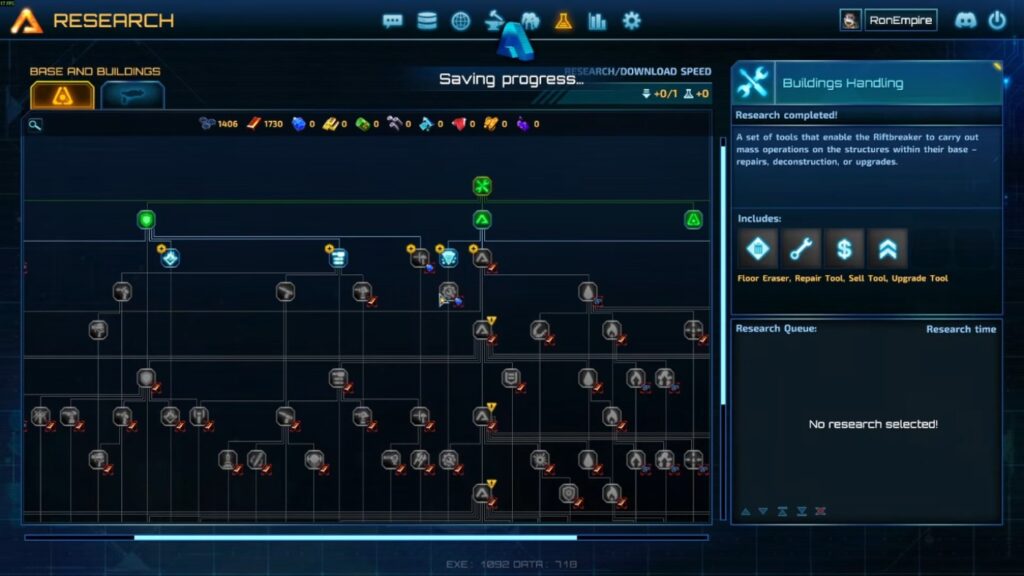
Who benefits?: Both returning players and newcomers. Experienced players will immediately notice the smoother pacing, while new players encounter fewer unnecessary roadblocks.
BuiltToFrag Verdict: This isn’t the flashiest improvement, but it’s one of the most important. Better pacing makes every hour of the campaign more enjoyable.
Combat Feels Better Balanced
What changed?: Weapon balancing has opened up more viable builds instead of encouraging everyone to rely on the same handful of favourites.
Why it matters: Experimentation is finally rewarded. Different weapons, damage types and support builds all feel more competitive, making repeat playthroughs considerably more interesting.
Who benefits?: Returning players who already know the original weapon meta will notice this the most.
BuiltToFrag Verdict: Combat wasn’t broken before, but it’s noticeably more enjoyable now because you have genuine reasons to try different loadouts instead of sticking to whatever happened to be strongest.
Mission Variety Is Stronger
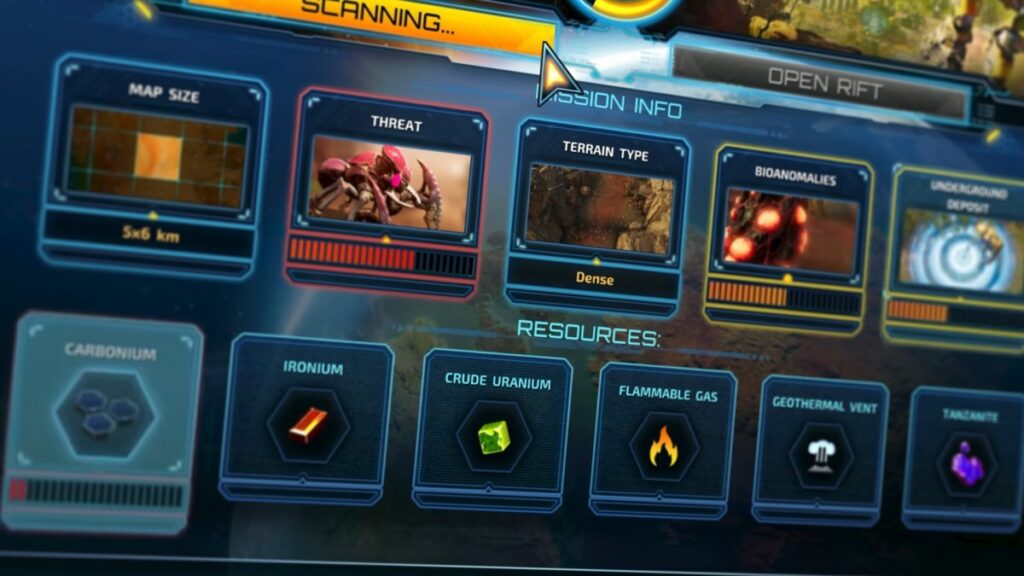
What changed?: Update 2.0 didn’t just improve existing missions—it also introduced a far better way to keep playing once you’d finished the main campaign. The Random Mission Generator creates fresh maps with different layouts, resources, enemy combinations and objectives, giving you reasons to keep experimenting without starting from scratch.
Why it matters: Replayability was one of the biggest weaknesses of early Riftbreaker. Once you had finished the campaign there wasn’t always a compelling reason to keep going. Randomised missions solve that problem by creating new situations that force you to adapt instead of relying on the exact same strategy every time.
What you’ll notice: Instead of feeling like you’ve seen everything after one campaign, each new run encourages different strategies, different layouts and different priorities. That’s exactly what many players felt was missing from the original release.
BuiltToFrag Verdict: This is one of the most underrated additions in Update 2.0. It quietly gives Riftbreaker something it was missing at launch—long-term replayability.
Co-op Changes Everything
What changed?: The arrival of four-player co-op is easily the biggest headline feature of Update 2.0. Players can now build, explore and defend their bases together instead of tackling every alien invasion alone.
Why it matters: This isn’t simply a multiplayer checkbox. Sharing responsibilities fundamentally changes how Riftbreaker feels. One player can focus on expanding production, another can defend the perimeter, while others gather resources or explore new regions. Instead of trying to do everything yourself, teamwork naturally develops as your base grows.
Who benefits?: Friends looking for a strategy game that offers more than simply shooting enemies together. Co-op also makes learning some of the game’s more complex systems far less intimidating for newcomers.
BuiltToFrag Verdict: Co-op alone isn’t enough to recommend returning to Riftbreaker—but combined with all the other improvements, it transforms the overall experience into something much more social and enjoyable.
Replayability Is Finally There
What changed?: Better progression, more balanced combat, improved loot, randomised missions and co-op all work together to give players far more reasons to keep playing after the credits roll.
Why it matters: At launch, many players completed the campaign once and felt they’d seen everything Riftbreaker had to offer. That’s no longer the case. Different weapon builds, mission variations and multiplayer sessions create far more opportunities to approach each campaign differently.
Who benefits?: Returning players will notice the difference most, but new players arguably benefit even more because they’re experiencing the most complete version of Riftbreaker from day one.
BuiltToFrag Verdict: Riftbreaker finally feels like a game designed for long-term play rather than a one-and-done campaign.
Riftbreaker Before vs After
The easiest way to understand why Riftbreaker feels so much better today is to compare the overall experience rather than individual patch notes.
| Area | Before Update 2.0 | Current Version | Why It Matters |
|---|---|---|---|
| Progression | Could feel slower and less intuitive. | Smoother pacing with improved campaign flow. | You’re spending more time playing and less time figuring out what to do next. |
| Research | Large technology trees became awkward to navigate. | Search tools and interface improvements reduce unnecessary clicking. | Managing research becomes much less frustrating during longer campaigns. |
| Inventory | Constant equipment management interrupted gameplay. | Mass disassembly and better inventory tools keep things moving. | Less housekeeping means more time building and fighting. |
| Combat | Several weapon choices felt objectively stronger than others. | More viable builds encourage experimentation. | Repeat playthroughs become more interesting. |
| Co-op | Solo only. | Four-player cooperative campaign. | A completely new way to experience Riftbreaker. |
| Replayability | Campaign offered limited reasons to return. | Random missions and better progression extend the game’s lifespan. | Much stronger long-term value. |
| Performance | Large bases could become inconsistent on some systems. | General optimisation has improved overall smoothness. | Late-game remains demanding, but it’s noticeably better than it used to be. |
Looking at the table as a whole tells the real story. None of these improvements completely reinvent Riftbreaker on their own, but together they remove many of the frustrations that slowly built up during the original release.
That’s why players returning after several years often describe the game as feeling surprisingly fresh. The core gameplay loop is still the same one that made Riftbreaker so addictive in the first place, but the experience around it is noticeably more refined, more respectful of your time and much easier to recommend.
Update 2.0 didn’t change Riftbreaker’s identity, it finally polished it.
How Riftbreaker Performs in 2026
One of the biggest questions returning players ask is whether Riftbreaker actually runs better today than it did at launch. The answer is yes—but it’s important to understand why.
General optimisation has improved considerably over the years. Larger battles feel smoother, memory management is better and overall stability has benefited from continuous updates. However, Riftbreaker remains a simulation-heavy strategy game. Every conveyor, turret, power plant, mining outpost and alien attack adds to the workload your processor has to manage.
That means lowering graphics settings won’t magically solve every slowdown. In many late-game scenarios your CPU becomes the limiting factor long before your graphics card does.
BuiltToFrag Tip: If your FPS drops during massive attacks but your GPU usage isn’t close to 100%, your processor is probably doing most of the heavy lifting. Simulation-heavy games like Riftbreaker often become CPU-bound as your base grows.
If you’d like to understand why this happens, check out our guide on Why Strategy Games Lag in the Late Game (CPU Bottlenecks Explained).
And if you’re wondering whether a hardware upgrade would actually help, our What Should You Upgrade First on a Low-End PC? guide explains where you’ll get the biggest performance improvements.
For a broader explanation of FPS drops, stutter and bottlenecks, read our guide on why PC games run badly.
How Riftbreaker Feels on Different PCs
| Hardware | What You Can Expect |
|---|---|
| Older Gaming PCs | Perfectly enjoyable during the early and mid-game, although enormous late-game bases may require lower settings and realistic expectations. |
| Mid-Range PCs | Comfortably handles most campaigns with only occasional CPU pressure once your factory becomes extremely complex. |
| High-End PCs | An excellent experience overall. Even then, Riftbreaker’s large-scale simulation means no system is completely immune to demanding late-game scenarios. |
Who Will Enjoy Riftbreaker Today?
- Returning players who stopped playing after launch and want to experience the game at its best.
- New players looking for one of the strongest blends of strategy, automation and action currently available.
- Co-op groups searching for a game that rewards teamwork rather than simply adding multiplayer as an afterthought.
- Automation and factory-building fans who enjoy gradually expanding efficient production networks.
- Strategy players who like defending increasingly complex bases against overwhelming enemy attacks.
- Gamers who enjoy long-term progression instead of short campaign experiences.
What continues to set The Riftbreaker apart is how naturally it blends several genres together. Instead of focusing purely on factory automation like some games or tower defence like others, it combines fast-paced combat, base building,
If Riftbreaker’s strategy side is what hooks you, our list of free strategy games for low-end PCs has more games worth trying. exploration and survival into a single gameplay loop. If that’s the experience you’re looking for, there still aren’t many games that do it as well.
Who Should Skip Riftbreaker?
Despite all the improvements, Riftbreaker still won’t appeal to everyone.
- Players looking for a pure action shooter.
- Gamers who dislike resource gathering and automation.
- Anyone expecting a relaxed city builder without pressure.
- Owners of very old systems that already struggle with modern strategy games.
If you fall into one of those groups, Riftbreaker probably won’t change your mind—even after Update 2.0.
Is Riftbreaker Worth Buying in 2026?
Absolutely. More importantly, it’s easier to recommend now than it has ever been.
Launch-day Riftbreaker already had fantastic ideas. Today’s version finally delivers the level of polish those ideas deserved. The combination of better pacing, improved quality-of-life systems, meaningful replayability and excellent co-op makes this the definitive version of the game.
If you already own it, reinstalling it makes sense, especially if you bounced off the early version because of pacing, inventory friction or lack of long-term replayability.
If you’ve been waiting for the right time to buy it, that time is now.
If you enjoy strategy games that reward planning, experimentation and gradually building an unstoppable fortress, Riftbreaker is one of the easiest recommendations we can make.
After finishing Riftbreaker, you may also enjoy our roundup of PC games actually worth playing, even on a weak PC.
Frequently Asked Questions
Is Riftbreaker better after Update 2.0?
Yes. The current version is smoother, more replayable and significantly more polished than the original release, thanks to numerous quality-of-life improvements and ongoing optimisation.
Is Riftbreaker fun as a solo game?
Absolutely. Solo remains an excellent way to experience Riftbreaker, although co-op adds another enjoyable way to tackle the campaign with friends.
Does Riftbreaker support co-op?
Yes. Update 2.0 introduced four-player cooperative gameplay, allowing players to build, explore and defend their bases together.
Does Riftbreaker run well on older PCs?
Generally yes, although performance will depend on your hardware. Smaller bases run comfortably on many older gaming PCs, while extremely large late-game factories remain demanding on slower processors.
How long is Riftbreaker?
Most players will spend 25–40 hours completing the campaign, with considerably more time available through replayable missions, different builds and co-op.
Is Riftbreaker worth buying in 2026?
Yes. It’s the most complete version of Riftbreaker released so far and comfortably earns our recommendation for strategy and base-building fans.
Final Verdict
Riftbreaker never needed to become a completely different game. It simply needed the rough edges sanded down.
That’s exactly what Update 2.0 and the updates that followed have achieved. Instead of one headline feature carrying the entire experience, dozens of smaller improvements combine to make every campaign smoother, every mission more rewarding and every hour feel more respectful of your time.
There are still moments where the game’s ambitious simulation pushes your hardware, particularly during enormous late-game battles. But those occasional performance demands are now easier to forgive because the surrounding experience has improved so dramatically.
| Category | BuiltToFrag Verdict |
|---|---|
| Gameplay | Excellent |
| Combat | Very Good |
| Base Building | Excellent |
| Replayability | Much Improved |
| Performance | Better, but still CPU-intensive during massive late-game battles. |
| Co-op | Excellent |
| Value for Money | Excellent |
| Overall Recommendation | If you enjoyed Riftbreaker’s core gameplay but bounced off its early frustrations, now is the perfect time to return. New players are getting the best version of the game that’s ever existed. |