
Updated 11/04/2026
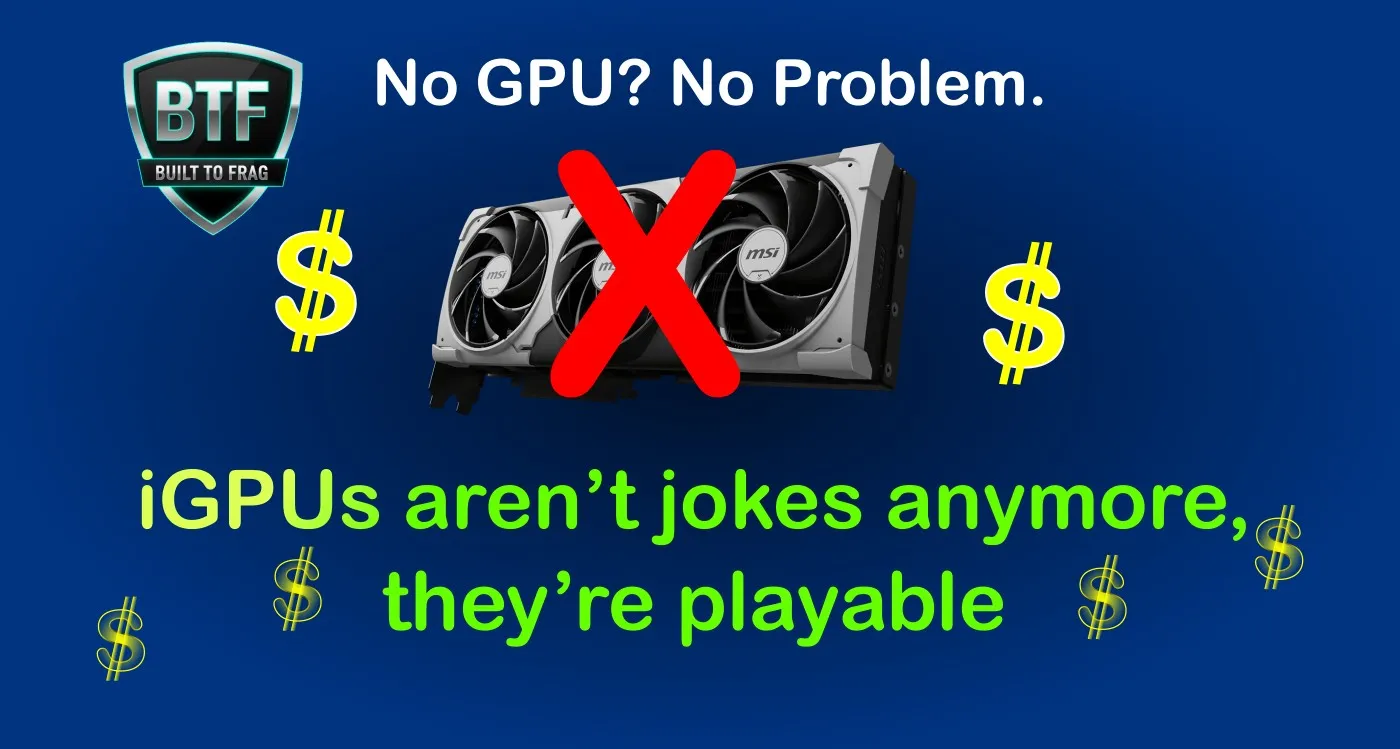
A No-GPU Gaming PC can absolutely work without a graphics card, and today it’s often a smart move when GPU prices and power draw are high. Modern APUs and strong integrated graphics can handle esports at 1080p and heavier games at lower resolutions with upscaling, while keeping the system ready for a future GPU upgrade.
A no-GPU build is not a downgrade or stopgap. It’s a full, efficient gaming setup that favors value, low noise, and flexibility, ideal for first builds, compact PCs, or anyone choosing to wait for the right graphics card.
If you want your system to stay flexible for years, start with our Future-Proof PC Build guide. It shows how to choose a board, case, and power supply that grow with your hardware instead of boxing you into a dead-end platform.
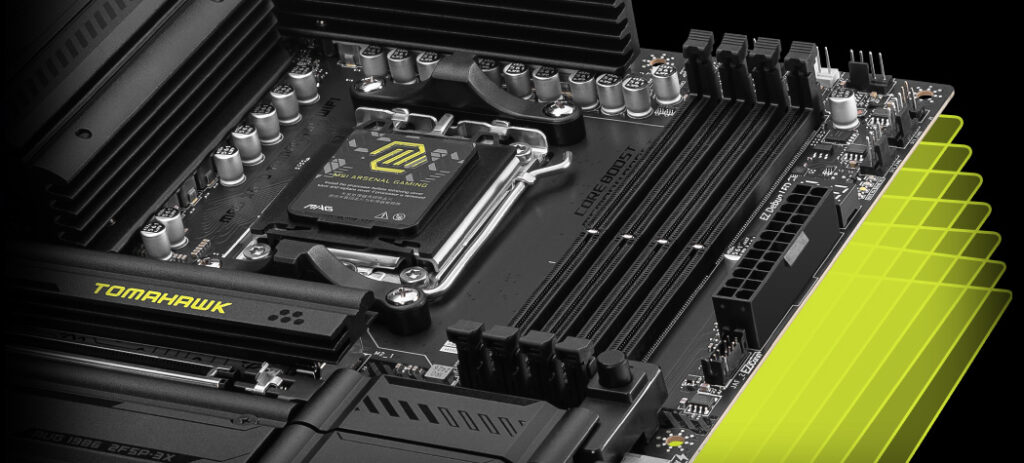
Prices, power efficiency, and upgrade planning all matter more than raw GPU horsepower for many builds. Whether you are saving for a dedicated card, building a small and quiet system, or creating a starter PC for a new gamer, modern integrated graphics let you build once and upgrade later without wasting money. For a step-by-step spending split, follow this PC build budget allocation guide.
For deeper platform planning, our How to Pick PC Parts That Actually Fit and Perform guide breaks down how CPUs, motherboards, cooling, and power delivery affect both performance today and upgrade potential tomorrow.
No-GPU Gaming PC: Meet the Modern iGPU Lineup
Integrated graphics are no longer just a backup. Modern iGPUs run real games, support upscaling technologies such as FSR and XeSS, and handle esports at 1080p, with many heavier titles playable around 900p using sensible settings.
AMD’s Ryzen 8000G APUs, such as the 8600G and 8700G, use Radeon 760M and 780M graphics and perform well with fast dual-channel DDR5. They fit standard AM5 motherboards, so adding a dedicated graphics card later is straightforward. If you are considering one of these processors—or already own an older Vega-based Ryzen system—our guide to the best games for AMD Radeon integrated graphics will help you identify its practical performance class and choose suitable games and settings.
Intel’s Core Ultra chips with Arc integrated graphics target efficient and compact builds, delivering solid esports performance and playable results in heavier games with XeSS.
Bottom line: integrated graphics are now about smart value, playing today and upgrading later—not merely getting by without a dedicated graphics card.
Test Setup and Methodology

iGPU performance lives or dies by configuration. Memory speed, cooling, power limits, and firmware settings matter far more than they do on systems with dedicated graphics cards. That means testing has to reflect real-world usage instead of ideal laboratory conditions.
- Test System A, AMD desktop APU: Ryzen 7 8700G, B650 motherboard, 32 GB DDR5-6000 CL30 in dual channel, 1 TB NVMe SSD, tower air cooler, UMA frame buffer set between 2 GB and 4 GB depending on the game.
- Test System B, Intel Core Ultra platform: Core Ultra 7 class CPU with Arc iGPU, 32 GB LPDDR5 or LPDDR5X memory, NVMe SSD, tuned power and cooling profile for sustained performance.
Settings approach: Competitive titles are tested at 1080p using Low to Medium presets. More demanding single-player games are tested at 900p or 720p with FSR or XeSS set to Quality or Balanced. Motion blur, film grain, and excessive post-processing are disabled. Where available, DirectX 12 is preferred.
Performance tracking focuses on average FPS, 1 percent lows, and frame-time consistency. On integrated graphics, stability matters more than peak numbers. A smooth 45 FPS experience feels better than an unstable 60 FPS that stutters under load. If your budget allows a slightly bigger build, see our Perfect Mid Range Gaming PC.
The Three Smart No-GPU Systems
Instead of one generic “no GPU” build, it makes more sense to treat integrated graphics systems like proper tiers. Each of these builds has a clear purpose, a clean upgrade path, and realistic gaming performance targets. Pick the one that fits your space, your budget, and your future plans.
Build 1: Budget APU Gaming PC, The Smart Starter
This is the cheapest way to build a real gaming PC without a graphics card. It focuses on esports performance, smooth desktop use, and a clean upgrade path when you are ready to add a dedicated GPU. It is simple, efficient, and brutally cost effective.


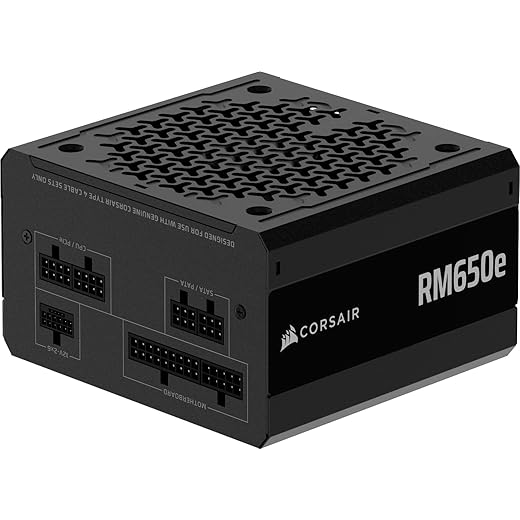


What this build is good at: 1080p esports gaming on Low to Medium settings, fast system response, and extremely low power draw. Titles like Fortnite, Valorant, Rocket League, CS2, and Overwatch run comfortably here with proper RAM configuration.
Upgrade path: When you are ready, you can drop in an RX 7600 or RTX 4060 class GPU and instantly turn this into a full 1080p or 1440p gaming machine without changing anything else. Also, don’t make rookie mistakes when eventually upgrading. Read our guide on 7 GPU Upgrade Mistakes People Make.
Build 2: High-End APU Gaming PC, The Strongest No-GPU Desktop
This is the maximum performance you can extract from integrated graphics on a desktop. It uses the most powerful consumer APU available and pairs it with fast memory, strong cooling, and a full-size motherboard so nothing holds it back.
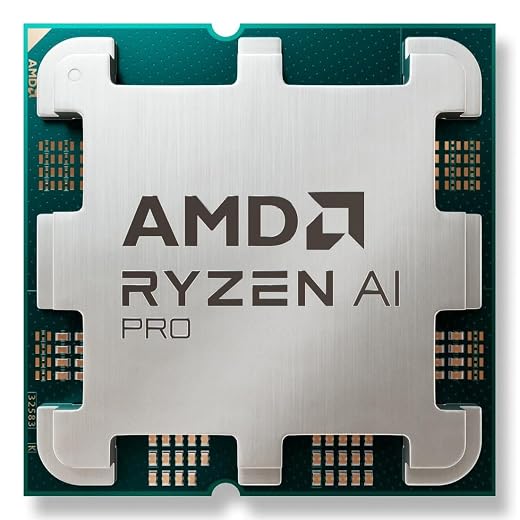


What this build is good at: Higher 1080p frame rates in esports, stronger 900p performance in AAA games, and better 1 percent lows thanks to stronger cooling and memory stability.
Upgrade path: This system is already built like a mid-range gaming PC. Add a GPU later and it instantly becomes a serious 1440p machine with no platform bottlenecks.
Build 3: Compact iGPU Systems, Mini PCs and Laptops
This build category covers mini PCs and laptops powered by Intel’s Core Ultra processors with Arc graphics. It is the right choice when size, silence, and efficiency matter more than raw expandability.


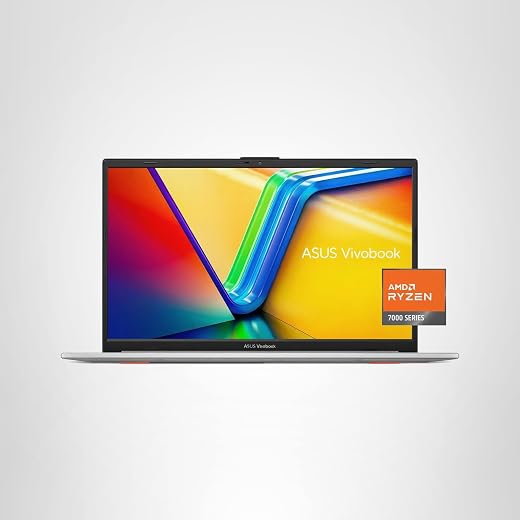
What this build is good at: 1080p Low esports gaming, 900p AAA titles using XeSS, extremely low power usage, and near-silent operation. Perfect for dorm rooms, desks with limited space, and minimalist setups.
Upgrade path: This is not meant for internal GPU upgrades. It trades raw scalability for portability and efficiency. Think of it as a console-like gaming PC with far more flexibility.
Tuning Tips That Actually Move the Needle
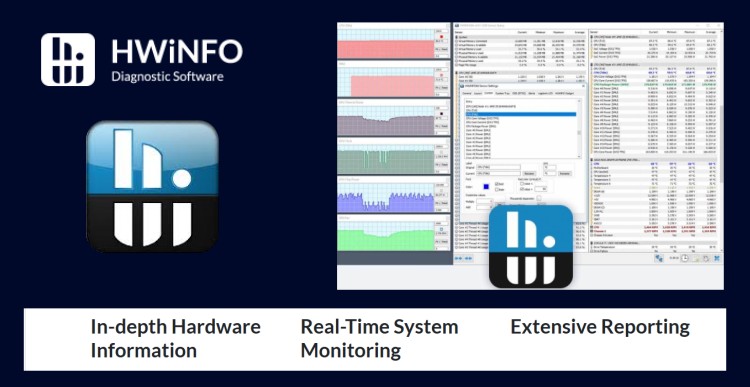
Use Fast Dual-Channel RAM
Integrated graphics are heavily dependent on system memory bandwidth, so a properly configured two-stick setup is strongly recommended. If you are building an iGPU system, understanding why dual-channel RAM matters for gaming can help you avoid leaving performance on the table.
On AM5, DDR5-6000 CL30 is the sweet spot. On Intel Arc platforms, higher memory speed and tighter timings can also influence performance and frame times.
Upscale Smartly With FSR or XeSS
Start with Quality mode at your target resolution. Only drop to Balanced if performance demands it. Upscaling is not a compromise on iGPUs, it is the reason modern integrated graphics are viable.
Set UMA Frame Buffer Correctly
Begin at 2 GB. If you see texture pop-in or hitching, increase to 4 GB. Going higher usually offers diminishing returns. After installing a dedicated GPU later, return UMA to Auto.
Keep Thermals Under Control
APUs throttle aggressively when hot. A good tower cooler or quiet AIO raises 1% lows and keeps gameplay smooth. Stable clocks matter more than peak boost numbers.
iGPU Myths Versus Reality
- Myth: Integrated graphics cannot handle 1080p gaming.
Reality: Esports titles at 1080p Low or Medium are completely normal on modern APUs and Arc iGPUs. - Myth: Intel graphics are only for office PCs.
Reality: Arc iGPUs with XeSS deliver console-level performance in many titles. - Myth: Upscaling destroys image quality.
Reality: On Quality mode, FSR and XeSS are often visually indistinguishable in motion and dramatically improve smoothness.
Troubleshooting Common iGPU Issues
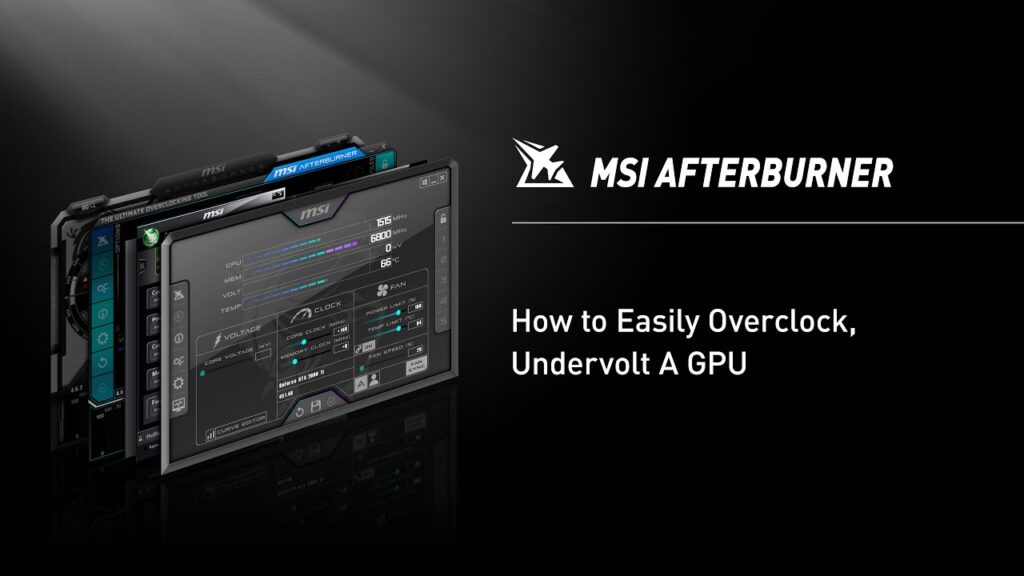
- Stutter despite good averages: Check dual-channel memory, raise UMA to 4 GB, reduce shadows, disable background overlays.
- Low FPS in DX11 games: Prefer DX12 when available, enable upscaling, reduce CPU-heavy settings like crowd density.
- Thermal throttling: Improve case airflow, reseat cooler, adjust fan curves.
- Storage hitching: Use NVMe SSDs and avoid background antivirus scans while gaming.
For system-level stability and OS fixes, start at our Windows Performance & Stability Hub, which covers update errors, driver conflicts, and background processes that hurt frame times.
FAQ: Gaming on Integrated Graphics
How much RAM do I need?
Sixteen gigabytes works. Thirty-two gigabytes gives smoother frame pacing and more room for UMA allocation.
What UMA size should I use?
Start at 2 GB. Move to 4 GB if you see texture streaming problems.
FSR or XeSS?
Use whichever the game supports. Start on Quality, then Balanced if needed.
Can I stream or record?
Yes, with lightweight encoders and conservative bitrates. Close background apps to protect 1% lows.
NB: If you have around $600 to spend, rather look at our Ultra Budget PC to get things going.
So Can You Really Game Without a GPU?
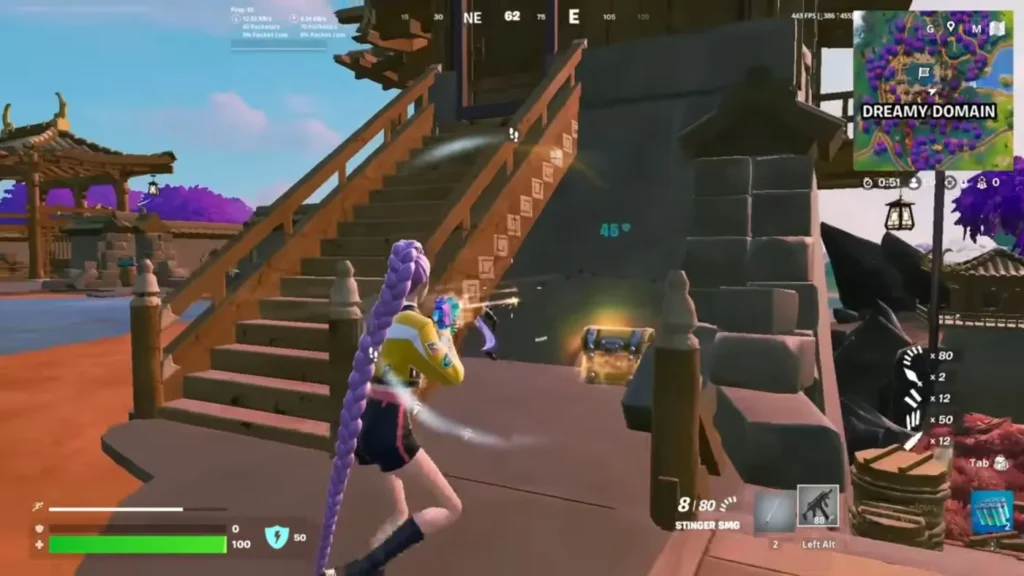
Yes. A no-GPU gaming PC is not a compromise, it is a strategy. With modern APUs and Arc iGPUs, fast memory, and smart upscaling, you can play today, spend less power, and stay completely ready for a GPU upgrade later.
Start your planning with the Future-Proof PC Build so your case, motherboard, and power supply never limit your next upgrade. For budgeting clarity, use the Gaming PC Budget Guide, which explains how to prioritize spending without wasting money.
For silence-focused builds, the Silent PC Build Guide pairs perfectly with the low heat output of modern APUs.
Finally, when choosing or upgrading your board, always reference the Top Motherboard Picks so you avoid slot limitations and VRM bottlenecks later.
All of these guides connect directly to your no-GPU system and keep it stable, upgradeable, and relevant for years. For a deeper technical breakdown of how modern integrated graphics actually work, Intel’s official explanation of integrated graphics and shared system memory helps clarify why today’s no-GPU builds can handle esports and lighter titles surprisingly well.