
Updated February 12, 2026: This guide is refreshed for modern GPUs (RTX 40 and 50 series, Radeon RX 7000 and 9000 series, Intel Arc) plus today’s common 165 Hz, 180 Hz, 240 Hz, 360 Hz, and even 480 Hz displays. We also updated the cap table, added VRR and frame generation notes, and tightened the “how to cap” steps. Pillar: PC Maintenance and Optimization Guide.
Why Capping Your FPS Is Better, How Unlimited Frame Rates Hurt Your Gameplay (and Your GPU)
Let’s get this out of the way up front, why capping FPS is better still isn’t “sexy”, but it is the smartest move if you care about smooth gameplay, stable frame times, and not turning your GPU into a space heater in menus. Also consider higher FPS isn’t always better, especially when using upscaling, which is why this DLSS vs FSR vs XeSS breakdown focuses on real smoothness, not just numbers.
The Problem, More FPS Does Not Equal Better Experience
Gamers love big numbers. 240 Hz monitor, yes. 500 FPS in CS2, even better. Unlimited frames, peak flex. FPS numbers don’t tell the full story. What Smooth Gameplay Actually Feels Like on a Low-End PC explains why stable performance often feels better than higher FPS.
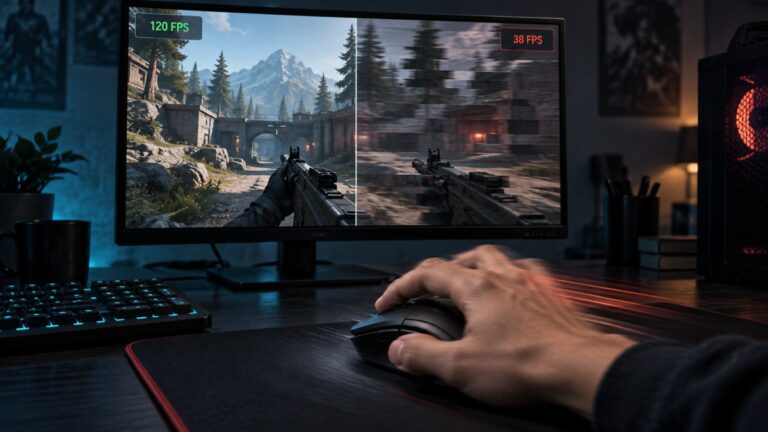
Here is the plot twist: letting your GPU go full berserker mode just to push numbers you never actually see is a great way to wreck frame pacing and fluidity. Frame time stability affects what you feel far more than raw FPS peaks.
- More micro stutters and inconsistent frame times.
- Higher temperatures and sustained fan noise.
- Spiky power draw that does nothing for image quality.
- Your monitor still caps what you see at its refresh rate.
Why Capping Your FPS Actually Helps
1) Lower Temperatures
Uncapped FPS in lighter titles, or worse, menus, only cooks your GPU. Cap your frames and your graphics card relaxes, temps drop, and the whole system feels calmer. Also yes, caps help, but cooling still matters. If your thermals are a mess, these best thermal paste techniques still matter.
2) Smoother Frame Pacing
Hitting 400 FPS is pointless if it swings between 220 and 420. A stable cap reduces frame time variance, which usually feels smoother than inconsistent high peaks. Pair it with the right display tier, see best gaming monitors by budget for easy matchups.
3) Less Fan Noise
Uncapped FPS sends fans into jet mode. A sensible cap keeps acoustics civil, especially in older games that do not need full throttle.
4) Lower Power Consumption
Modern GPUs can guzzle power when left unchained, even when it does not help the experience. A modest cap trims wattage without sacrificing the look or feel.
What About Modern GPUs in 2026?
High end cards can draw serious power if you leave frames uncapped in older engines, esports lobbies, and menu screens. The payoff above your monitor’s refresh is often tiny, while the downside is heat, noise, coil whine, and unstable frame times. Cap a few FPS under your refresh, enjoy the same “visual fluidity”, and keep your system cooler.
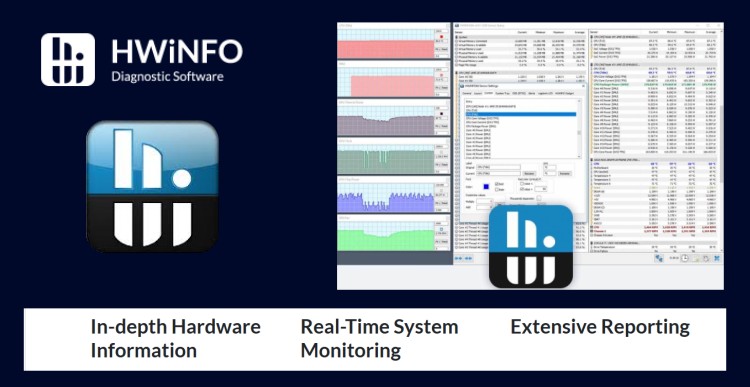
If you care about numbers, verify with HWiNFO and the frame time graph in RivaTuner (RTSS).
G-SYNC, FreeSync, VRR, This Is Where Capping Gets Even Better
If you use VRR—G-SYNC, FreeSync, or another variable-refresh system—start by capping slightly below the monitor’s maximum refresh rate. This helps prevent ordinary frame-rate fluctuations and limiter overshoot from repeatedly hitting the VRR ceiling, where tearing, added V-SYNC behaviour, or inconsistent latency can appear.
A cap 2 to 3 FPS below refresh is a practical starting point for common displays: 141 FPS at 144 Hz, 162 FPS at 165 Hz, and 237 FPS at 240 Hz. It is not a universal law. The same three-FPS gap represents a progressively smaller frame-time margin as refresh rate rises, so 360 Hz, 480 Hz, and faster displays may need a slightly lower cap if testing shows that the game still reaches the ceiling.
Low Framerate Compensation, or LFC, deals with the opposite end of the VRR range. It repeats frames when performance falls below the monitor’s minimum VRR threshold. It can keep VRR operating during deep drops, but it does not make a poor 1% low smooth or replace the need for stable performance.
Frame Generation in 2026, Yes You Still Cap
Frame generation can inflate the on screen FPS number, but it does not magically fix bad frame pacing or unstable base performance. If your “real” frames are uneven, the experience can still feel off, just with more frames printed on top.
- Cap for stability first (especially in competitive games).
- Use frame generation for smoothness in single player, but keep your base FPS stable so frame times do not look like a heart monitor.
- If input feels weird, your cap and latency settings are usually the first suspects.
Laptop Gamers, Pay Attention
Laptop GPUs hit thermal and power limits quickly. An FPS cap can be the difference between a stable 90 to 120 FPS and a loud, throttling mess. You also extend battery life in unplugged sessions. Cap first, then tune visuals.
Before blaming frame caps, make sure your CPU temps are not lying to you, our overlay guide separates accurate readings from false alarms. If you cap your FPS but performance still feels unstable, Your Temps Are Lying, The Hidden Throttles Killing FPS explains how power limits and VRM heat can drag clocks down.
FPS Caps in Esports vs Casual Play
Capping does not automatically ruin competitiveness. A stable cap can produce more consistent frame delivery and input feel than a frame rate that swings heavily. On a 240 Hz VRR display, 237 FPS is a sensible starting point, but competitive players should compare the frame-time graph and input feel against a higher uncapped rate before deciding which trade-off suits the game.
How to Cap FPS Properly
1) In Game First
If the game has a built in limiter, start there. Many titles pair limiters with latency options (Reflex, Anti-Lag style options, or similar). Use the simplest stack first.
2) Driver Level Options
NVIDIA: NVIDIA Control Panel → Manage 3D settings → Max Frame Rate. Set globally or per game. If your game supports Reflex, enable it and keep your cap sensible.
AMD: AMD Software (Adrenalin) → Gaming → per game profile. Use Frame Rate Target Control when available, or use Radeon Chill if you want a cap that also saves power during low motion gameplay.
Intel Arc: Intel’s graphics software per game profile may include an FPS limiter depending on driver and API support. If you cannot find a clean driver cap for a specific title, RTSS is usually the most consistent fallback.
3) Third Party Tools (Most Precise)
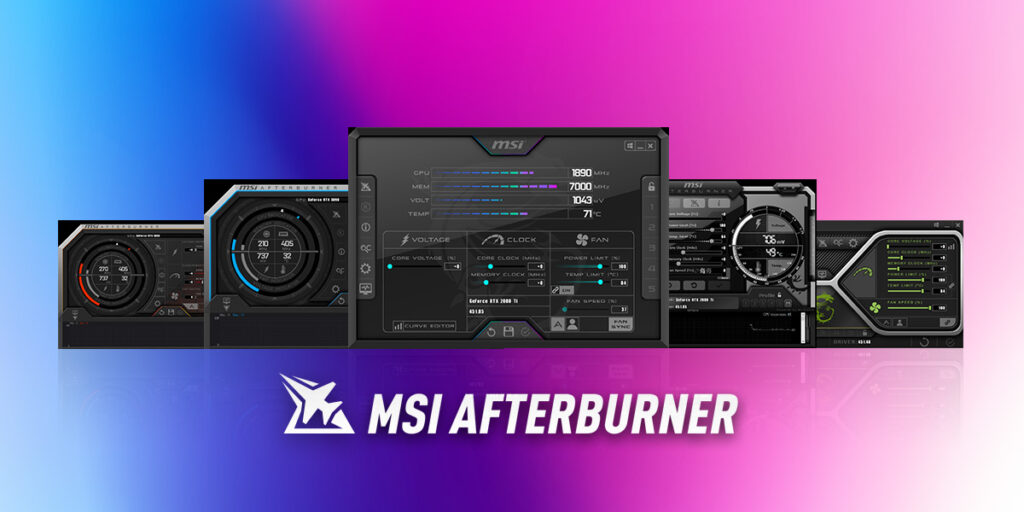
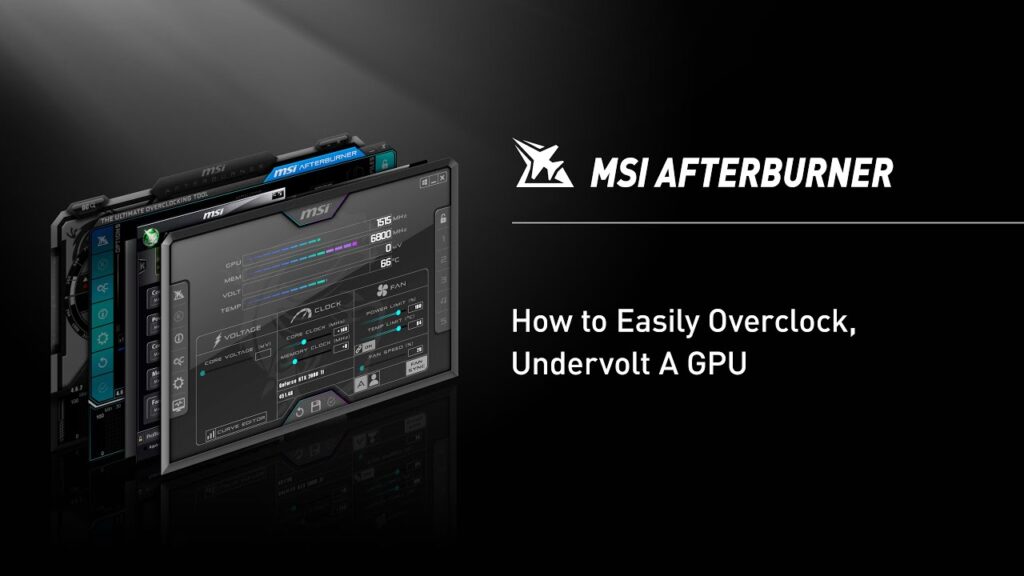
RivaTuner Statistics Server (RTSS), bundled with MSI Afterburner, gives precise caps and a clean frame time graph. Great for testing and sanity checks. Safety first: How to Use MSI Afterburner Safely.
Recommended Caps by Monitor
| Monitor Refresh Rate | Suggested Starting Cap | Why This Works |
|---|---|---|
| 60 Hz | 58 to 60 FPS | Cleaner pacing, avoids sync edge cases |
| 75 Hz | 72 to 75 FPS | Stays inside VRR range when supported |
| 120 Hz | 117 FPS | Classic VRR safe cap |
| 144 Hz | 141 FPS | Great balance for esports and smoothness |
| 165 Hz | 162 FPS | Common 2026 sweet spot refresh |
| 180 Hz | 177 FPS | Popular midrange panels |
| 240 Hz | 237 FPS | Competitive standard cap |
| 280 Hz | 277 FPS | Cap stays stable near ceiling |
| 360 Hz | 357 FPS | High refresh, high stability needs |
| 480 Hz | 477 FPS | Extreme refresh, extreme “do not spike” rule |
These are starting points, not guaranteed perfect caps. A limiter can fluctuate or briefly overshoot its target. Check the game’s frame-time graph and lower the cap further if it still touches the monitor’s maximum refresh rate. At very high refresh rates, a fixed three-FPS reduction provides much less frame-time headroom than it does at 60 or 144 Hz.
Your monitor may also report a fractional refresh rate such as 143.97 Hz or 239.76 Hz. That is normal. Use the actual refresh rate shown by Windows or the GPU driver and choose the nearest practical cap below it—for example, 236 or 237 FPS for 239.76 Hz—then verify that the game remains below the ceiling.
Per Game Quick Picks
- CS2, Valorant, Apex: with VRR, start 2 to 3 FPS below refresh and check whether the limiter still reaches the ceiling. At very high refresh rates, you may need a wider gap. If minimum latency matters more than VRR behaviour, also test an uncapped or higher-cap configuration.
- Fortnite: use in game limiter first. Start with 141 on 144 Hz, 162 on 165 Hz, 237 on 240 Hz. Adjust only if you see stutter spikes.
- Cyberpunk 2077, Starfield, single player heavies: cap around 60, 90, or 120 depending on your rig and goals. Quieter operation, less power, same vibe.
- Minecraft, lighter games: always cap. Menus can hit absurd FPS and waste power for zero benefit.
Frame pacing is not only about FPS caps, storage speed also affects how quickly assets stream in. If you are running games from portable storage, this guide helps you pick the right one: Best external SSDs for gaming.
Real World Test Results (Simple, Repeatable)
Setup: Ryzen 5 5600X, RX 6700 XT, 144 Hz monitor.
Game: Apex Legends.
Uncapped: 220 to 300 FPS, frequent frame time spikes, coil whine, fans loud.
Capped at 141 FPS: temps down, pacing stable, quieter operation, same perceived fluidity.
Bottom line, you do not lose performance, you gain sanity. Frame pacing matters most in large open-world games — see our GTA VI PC Performance Guide for a full example of how FPS caps and stability tuning help in a real release scenario.
Common Questions
Does capping FPS add input lag? Not when you use the in game limiter, or a driver cap set close to your refresh. The improvement in frame time stability often outweighs tiny differences.
Should I cap if I use G-SYNC or FreeSync? Usually, yes. Start 2 to 3 FPS below the monitor’s actual maximum refresh rate, then confirm with a frame-time or FPS graph that the game is not still reaching the ceiling. Very high-refresh displays or less accurate limiters may require a wider gap.
What if I am CPU bound? Cap anyway. It prevents your GPU and fans from running unnecessarily hot while your CPU drags the frame rate around.
How do I measure this properly? Use RTSS frame time graphs and log sensors with HWiNFO. Full process: How to Test Gaming PC Performance.
“But I Paid for All Those Frames”

Buying a powerful GPU then letting it scream at 900 FPS in a menu is like buying a sports car and flooring it in a parking lot. Technically impressive, practically pointless.
Related Reads
- PC Maintenance and Optimization Guide (pillar)
- How to Test Gaming PC Performance
- The HWiNFO Setup I Actually Use
- How to Use MSI Afterburner Safely
- RX 6700 XT, The Smart Gamer’s Secret Weapon
- How to Reduce Lag Without Sacrificing Graphics
- New PC Won’t Boot? Fix First Boot Mistakes
Your Turn
Got a favorite FPS cap, or a horror story from the uncapped era? Drop it below. Include your monitor refresh rate and GPU, and I’ll add the best “known good” caps to the cheat sheet.
The −3 isn’t magic, it’s just a frametime cushion, and that cushion shrinks as Hz climbs. At 144Hz your 141 cap is worth about 0.15ms of margin — by 480Hz (477) that’s down to about 0.013ms, and by 540Hz it’s basically nothing, about 85x thinner than at 60Hz. Table also skips in-between panels like 239.76Hz, which are real refresh modes, not typos.
Thanks for the thoughtful correction. You’re absolutely right that a fixed three-FPS reduction creates a progressively smaller frame-time margin as refresh rates increase.
We’ve updated the article to clarify that 2–3 FPS below the refresh rate is a practical starting point, not a universal rule. We also added guidance for very high-refresh and fractional-refresh displays, plus a clearer explanation of what LFC does at the lower end of the VRR range.
I appreciate you taking the time to provide the calculations, it helped us make the guide more accurate.