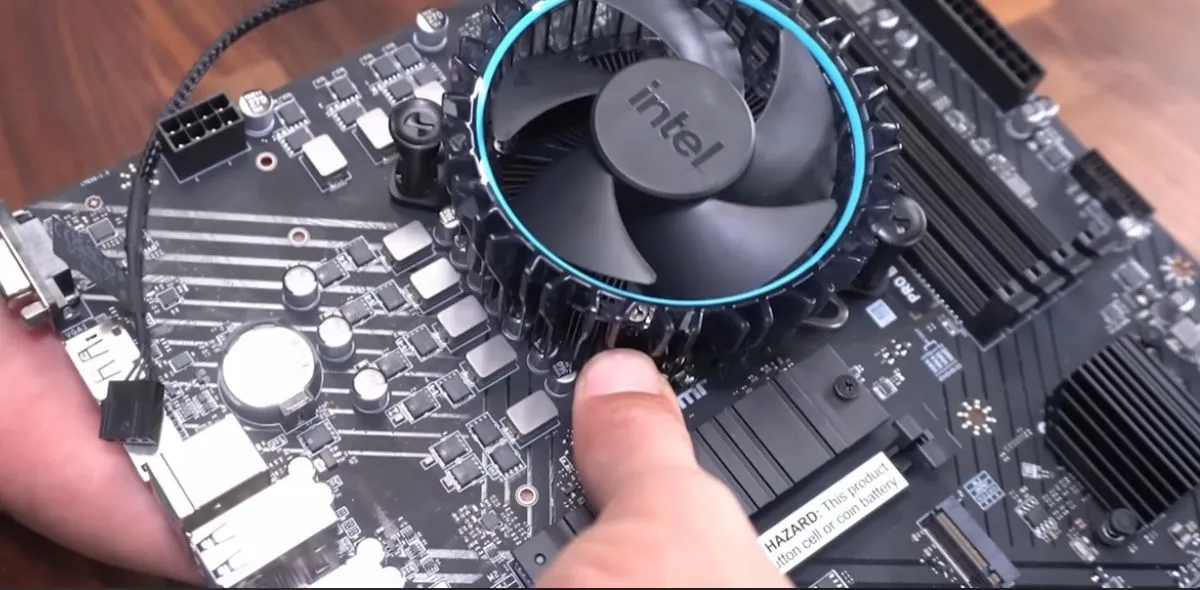

Udated 23/01/2026
Yes, you can still build a real gaming PC without selling a kidney. This Best Ultra Budget Gaming PC Build is tuned for 2026 pricing reality, meaning you should aim closer to $600 for all-new parts that actually hold up at 1080p. No fantasy carts, no sketchy power supplies, just a clean DIY build that plays modern games and leaves room to upgrade.
Core Build Parts and Why They Work
This baseline mirrors respected ultra-budget community builds, tuned for value, compatibility, and an easy first-time build experience. The goal is simple, get you into smooth 1080p gaming now, without locking you into dead-end parts later.
Target total: around $600 with all-new parts. You can still hit $500 if you catch strong sales or go used on the GPU, but $600 is the realistic “buy it now and stop stressing” number in 2026.
Use PCPartPicker to sanity check compatibility and watch for price dips. It saves first timers from silly mistakes, like mixing the wrong RAM or buying a case that turns your GPU install into a geometry problem. For the long-term strategy behind this parts philosophy, start with our Future-Proof PC Build pillar, and if you’re new to fit and clearance, skim our PC parts fit and perform guide.
The Parts That Make or Break This Build
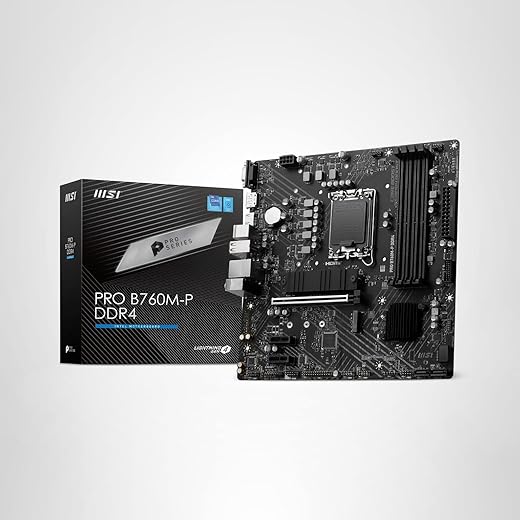
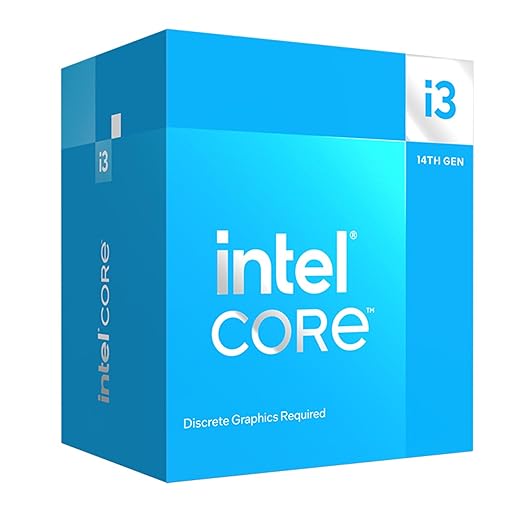


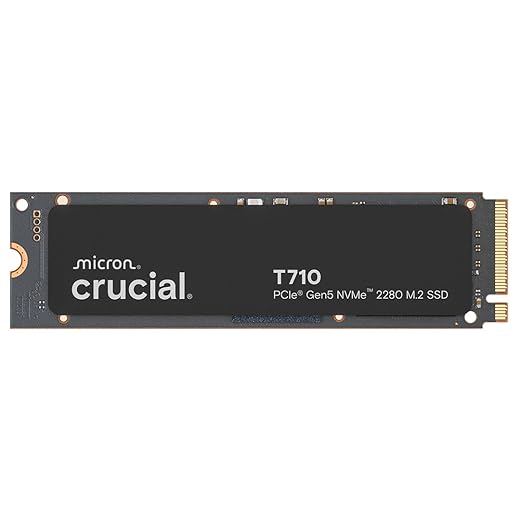


Optional GPU Upgrade: Intel Arc B580
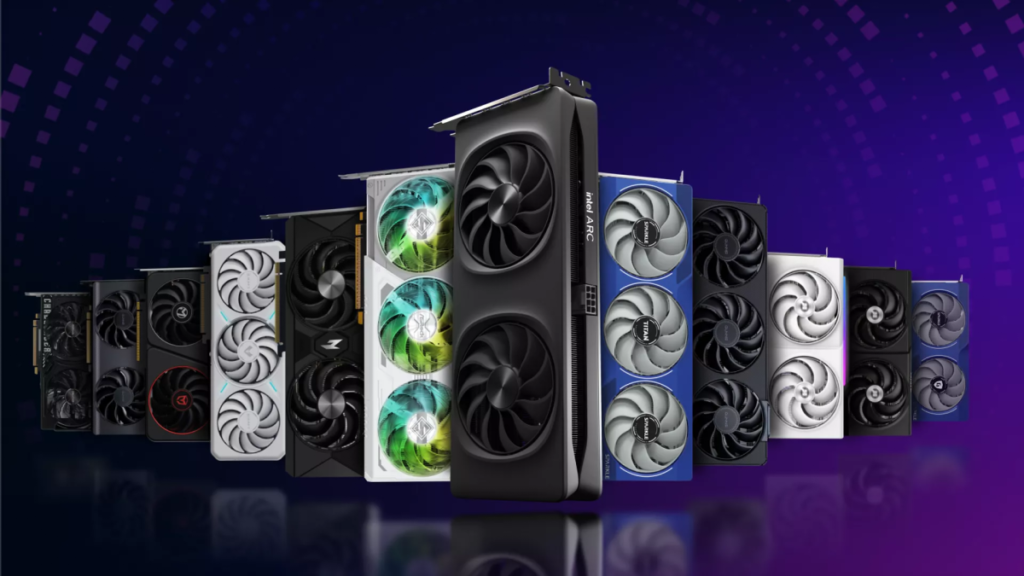
If you can stretch the budget a little, the Intel Arc B580 with 12 GB GDDR6 can deliver noticeably better 1080p results in texture-heavy games, and even some 1440p fun if you keep settings realistic. It is not a ray tracing hero, so stick to raster and enable Intel XeSS where supported. The appeal is simple, more VRAM breathing room than typical ultra-budget cards, which helps in newer titles.
Bottom line: RX 6500 XT is still the cheapest way in, Arc B580 is a meaningful step up if you find it at the right price. Before any swap, avoid the classic mistakes with our quick read on GPU upgrade mistakes gamers avoid.
How This Performs at 1080p

- eSports: CS2, Valorant, Fortnite, Rocket League, Overwatch 2. Expect smooth play at 1080p on tuned low to medium settings with RX 6500 XT. Arc B580 lets you push textures and effects more comfortably.
- AAA single player: Elden Ring, Cyberpunk 2077, Starfield. Expect roughly 40–60 fps on balanced presets at 1080p using FSR or XeSS where available. Turn down ray tracing, favor raster, and you will have a much better time.
Do not chase Ultra at this budget. Pick Balanced or High, trim heavy post-processing, keep textures sensible, and enjoy stable frames instead of bragging rights. Before you trust a low-price gaming system, review these cheap gaming PC mistakes buyers keep running into.
How to Keep an Ultra Budget Build Affordable in 2026
GPU pricing still decides whether an ultra-budget build feels like a smart purchase or a compromise machine. The trick is to buy in the right order. Lock in a good deal on the GPU first, then build around it. RAM and SSD prices swing often, so they are perfect “sale targets” that can save you real money without hurting performance. If even this is over your budget consider The No-GPU Gaming PC
- Prioritize the GPU deal: It is the biggest performance lever, and the biggest price swing.
- Hunt SSD and RAM discounts: These dip constantly and are easy wins on budget.
- Consider open-box and reputable used GPUs: This is how $600 builds become $500 builds, without wrecking the rest of the parts list.
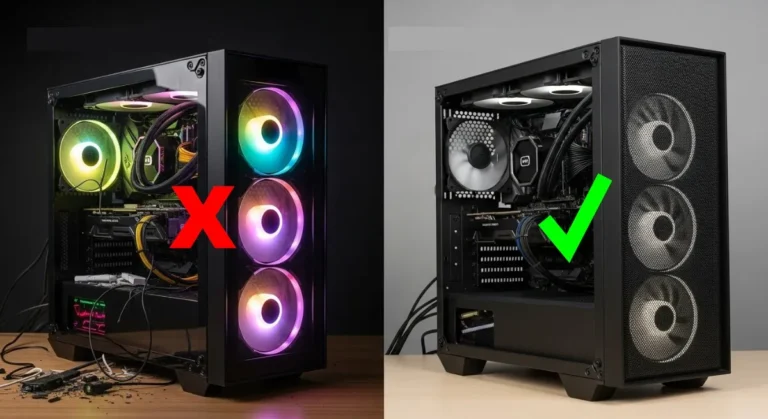
- Do not overspend on the case: Airflow matters more than brand badges at this price.
Where and When To Save Even More
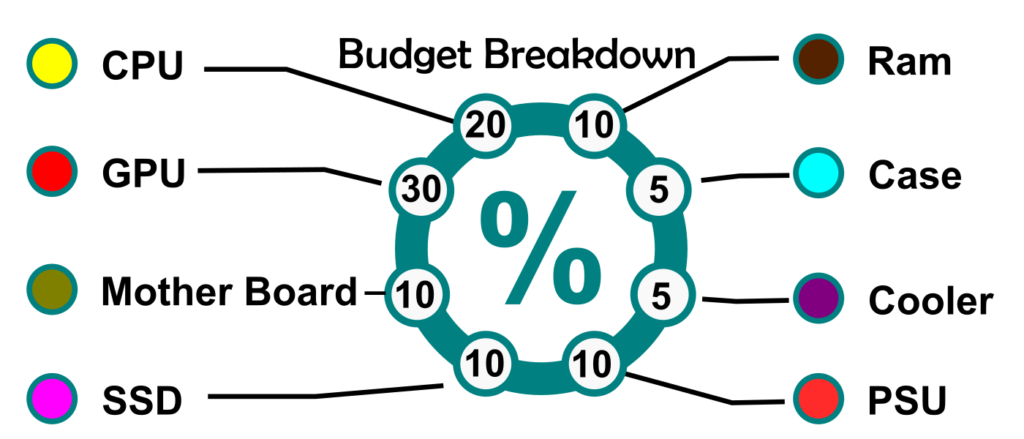
Biggest drops usually happen during big deal events and right after new GPU launches, when retailers clear older stock. Memory, SSDs, and motherboards are often the first to tumble, which makes them the easiest places to trim the build without losing frames. Also, do not ignore open-box sections, they can hide absolute gems at a discount if you stick to reputable sellers.
DIY Beats Prebuilt at This Price
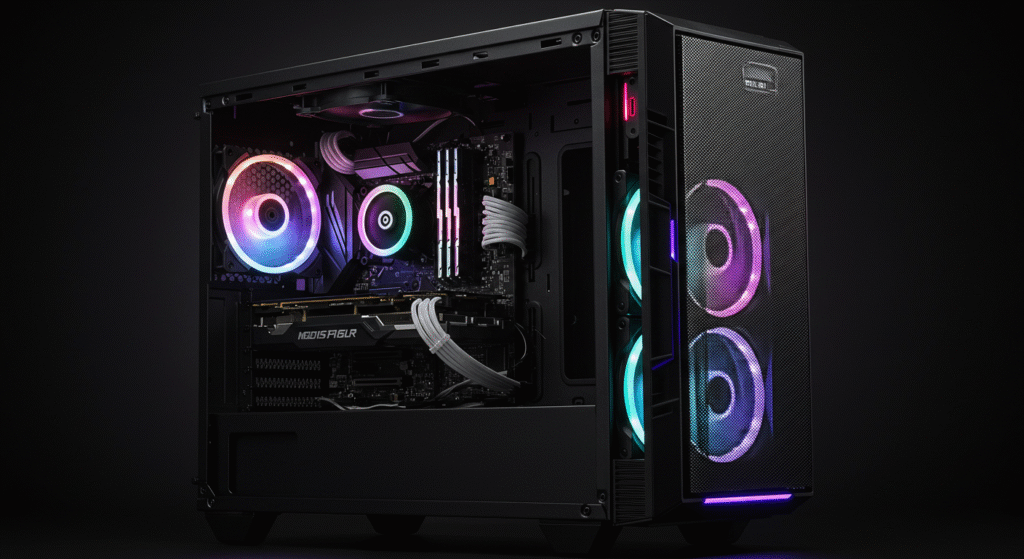
Prebuilts under $600 often hide weak links, single-stick RAM, no-name PSUs, tiny SSDs, and a spec sheet that reads better than it performs. A DIY list avoids that. You get dual-channel memory, a safer PSU, and an upgrade-friendly board. If a prebuilt tempts you, verify the exact GPU tier, PSU model, and whether the RAM is single channel.
If you’re doing a really tight budget build, a used CPU can be the smartest money saver, and Buying a Used CPU for Gaming shows how to vet the seller, the socket, and the chip before you pay.
Quick Takeaways
- This parts stack hits the entry-level 1080p sweet spot for the fewest bucks.
- RX 6500 XT gets you in, Arc B580 is a meaningful upgrade if you can nudge the budget.
- Use PCPartPicker to avoid compatibility mistakes and catch sales.
- Around $600 is the realistic target for a fully new ultra-budget build in 2026.
Suggested Upgrades Over Time
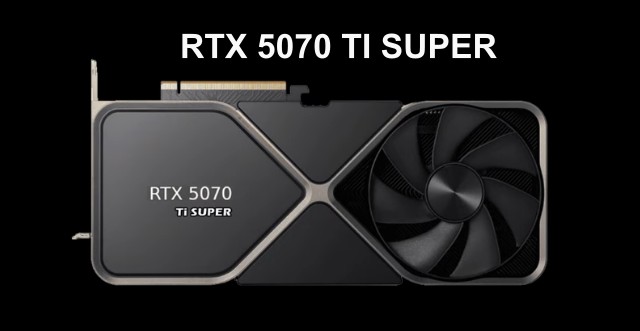
- GPU: Step up to Arc B580 or an RX 7600-class card when prices dip.
- RAM: Go 32 GB only if your games or creator apps demand it.
- PSU: Move to a quality 550–650 W 80+ Bronze or Gold unit when you upgrade the GPU.
- Cooling: Add two 120 mm intake fans for cooler temps and quieter sessions.
Build Steps at a Glance
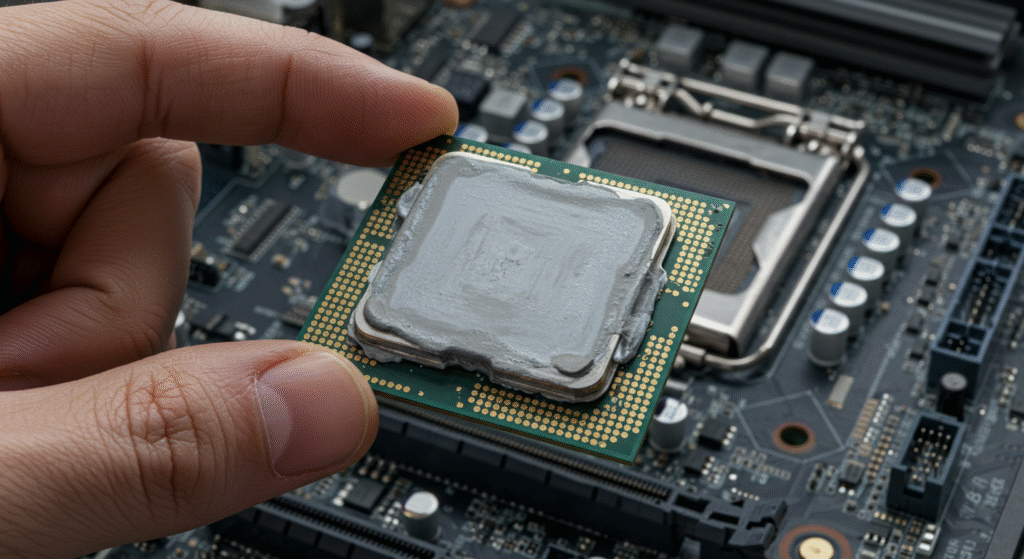
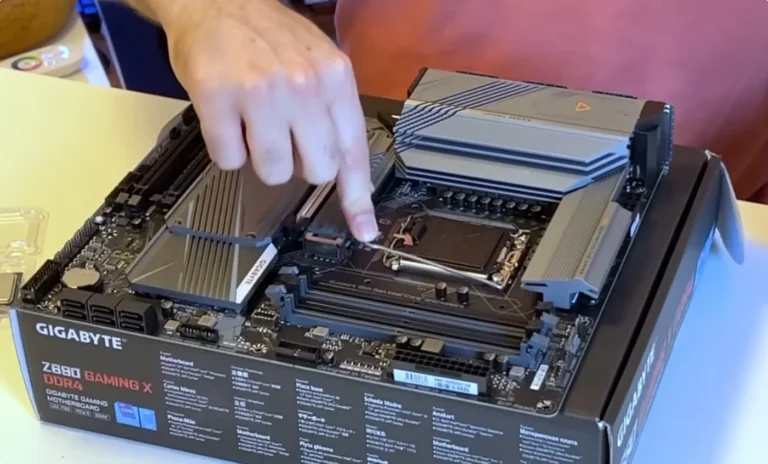
- Install CPU, stock cooler, and RAM on the motherboard outside the case.
- Insert the NVMe SSD in the M.2 slot, add the heatsink if your board includes one.
- Mount the motherboard in the case, connect front-panel cables and fans.
- Install the PSU, route the 24-pin, CPU EPS, and PCIe cables.
- Seat the GPU, connect PCIe power, and double-check all connections.
- Power on, update BIOS, enable XMP, then install Windows and drivers.
Helpful Resources
- How to Pick PC Parts That Fit and Perform
- Real-World SSD Performance in Gaming
- GPU Upgrade Mistakes Gamers Avoid
- Best Mid-Range Gaming PC Build
For those after a true 4K build, read: Best 4K Gaming PC Build.
Beginners can also skim PCMag’s beginner PC build guide for a friendly walkthrough.
Let us know how your build goes, drop a comment with your part list and temps.