
Updated 23/03/2026
Riftbreaker 2.0 Update Gameplay changes update isn’t just another patch, it’s a full gameplay overhaul that fixes pacing, adds co-op, and finally makes the game feel complete. If you bounced off the original, this is the version worth coming back to.
The original release had a great idea at its core, but it often felt like the systems were fighting you instead of working with you. This update smooths that out in ways that are immediately noticeable, especially if you’ve spent time with the earlier version.
Quick Answer: What Did Riftbreaker 2.0 Change?
If you don’t feel like digging through patch notes or watching dev streams, here’s the short version. These are the changes that actually affect how the game feels minute-to-minute.
- Full co-op (up to 4 players)
- Better pacing and smoother difficulty curve
- Combat is more strategic
- UI is cleaner and easier to understand
- Performance is more stable
Verdict: Yes, this is the version worth playing, whether you’re returning or starting fresh.
Riftbreaker 2.0 Changes at a Glance
This update doesn’t reinvent Riftbreaker, it refines it. Instead of adding random features, it focuses on making existing systems actually work together.
- Co-op is fully integrated into campaign and survival
- Pacing feels controlled instead of unpredictable
- Combat rewards planning instead of brute force
- Base systems are easier to understand
- Performance holds up better under pressure
Riftbreaker 2.0 vs Launch Version: What Actually Changed?
If you played Riftbreaker at launch and dropped it, this is the section you care about. The 2.0 update doesn’t just tweak numbers, it fixes the core experience that used to frustrate players.
The biggest difference is how the game feels over time. The original version had strong mechanics, but they often felt disconnected, leading to sudden difficulty spikes, confusing systems, and unnecessary friction.
Pacing: From Chaos to Control
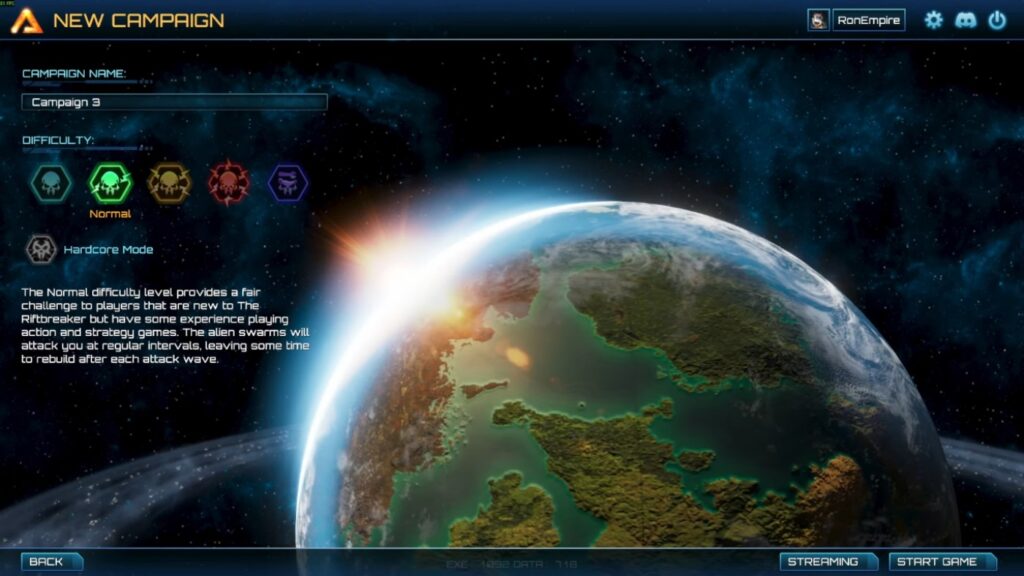
At launch, Riftbreaker had a bad habit of going from calm to overwhelming in minutes. The 2.0 update smooths that curve out, giving you time to build, explore, and prepare before things escalate.
This makes the experience feel more deliberate and far less punishing, especially for new or returning players.
Combat: Less Spam, More Strategy
Previously, many players relied on a few overpowered turret setups to survive. That approach doesn’t work as well anymore.
In 2.0, combat rewards positioning, mixed defenses, and better decision-making. Enemy waves feel more structured, and reacting properly matters more than brute force.
Base Building: From Confusing to Clear
Launch Riftbreaker often left players guessing how systems connected. Power flow, resource chains, and dependencies weren’t always obvious.
Now, the game explains itself much better. You spend less time figuring out what went wrong and more time improving your base.
Performance: Noticeably More Stable
Performance at launch could be inconsistent, especially during large wave attacks. While 2.0 doesn’t eliminate all issues, it significantly improves stability in the moments that matter most.
If you’re still seeing issues, it’s usually tied to CPU limitations or system bottlenecks rather than the game itself.
Overall Experience
The best way to describe the difference is this: the launch version felt like a great idea with rough edges, while 2.0 feels like a finished game.
If you quit early, this update directly addresses the reasons why. And if you’re starting fresh, you’re getting a much better first impression.
Riftbreaker 2.0 Gameplay Changes
The biggest improvement is how the game flows from moment to moment. Previously, Riftbreaker had strong mechanics, but they often felt disconnected or poorly paced. Now, everything links together more naturally.
Early Game Feels Fair
The early game is no longer a weird mix of nothing happening followed by instant chaos. You get time to explore, understand systems, and build properly before pressure ramps up.
This makes the learning curve feel more intentional instead of punishing, especially for new players who were previously overwhelmed.
Combat Is More Strategic
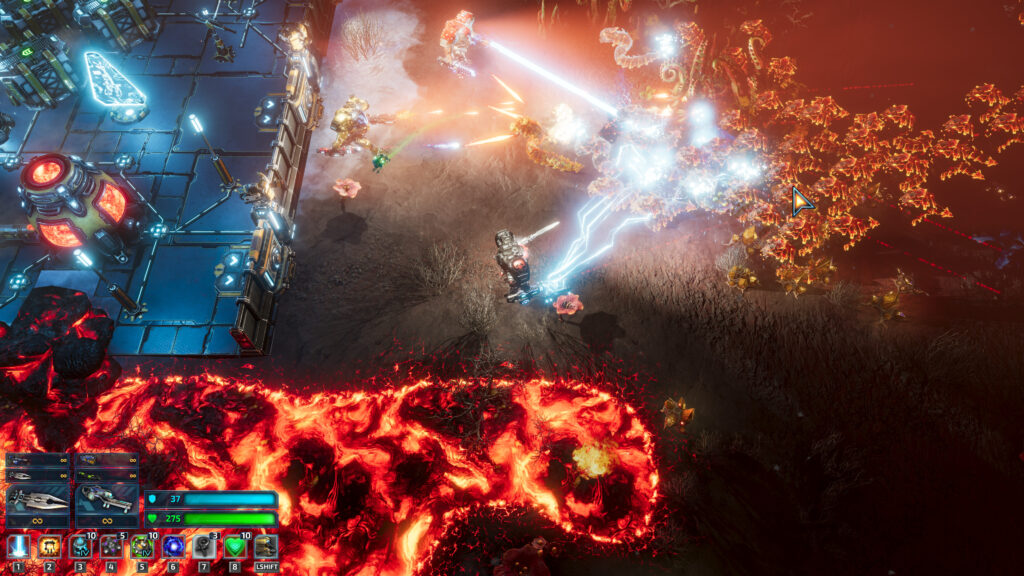
Combat now feels like something you plan for, not just react to. Enemy waves are clearer, positioning matters more, and you’re encouraged to build layered defenses instead of relying on one overpowered setup.
This shift aligns with what we’re seeing in the best live-service games for older PCs, where devs are focusing more on long-term gameplay depth instead of quick fixes.
Base Building Is Clearer
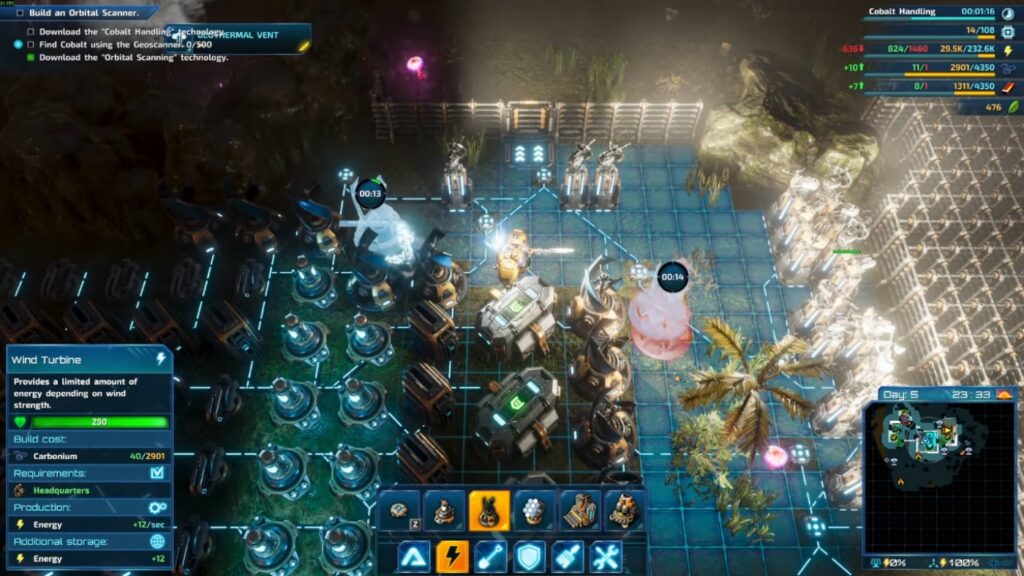
One of the biggest quality-of-life improvements is clarity. Power connections, resource flow, and dependencies are easier to understand without needing external guides or trial-and-error.
You’ll still make bad decisions, but now you’ll actually understand why they failed, which is a big improvement over the original experience.
How Riftbreaker 2.0 Performs on Real PCs
The Riftbreaker 2.0 performance update is not flashy, but it’s meaningful. The game holds up better during intense moments, which is where it used to struggle the most.
- CPU is still the main bottleneck during large waves
- GPU handles most scenarios well unless pushed to extremes
- Late-game swarm events can still cause dips
- Co-op adds additional system load
If you’re still getting stutters, start here: why your game stutters on a high-end PC.
Or if you’re running older hardware: why games stutter on low-end PCs.
You can also properly track what’s going on using: this performance monitoring guide.
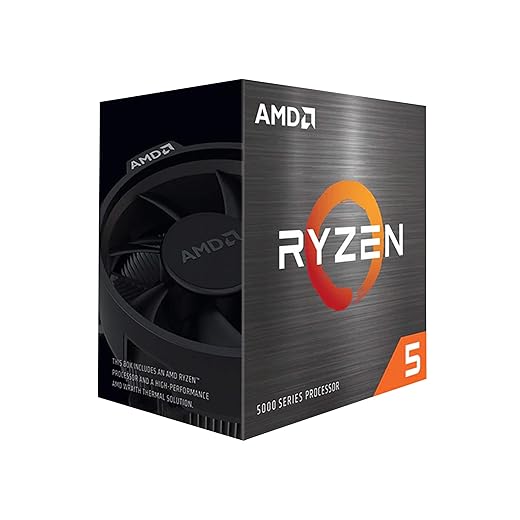
If Riftbreaker 2.0 still chokes during heavy wave attacks, your CPU is usually the first suspect. This game can throw a lot at the processor when your base gets busy, enemies pile in, and all your systems start firing at once.
That does not automatically mean you need a full rebuild, but if you are sitting on an older 4-core or weak budget chip, a sensible CPU upgrade can smooth out those ugly late-game dips. These are the kinds of value-focused CPUs that make sense for players who want better minimum FPS and less hitching without setting money on fire.
If Your Board supports it here are 2 Great CPU Choices

Riftbreaker 2.0 Co-op Changes Everything
Co-op is easily the headline feature, and more importantly, it actually works. This isn’t a side mode, it’s a full way to experience the game.
- One player scouts and expands
- One focuses on building and resources
- One handles defense
- One reacts to whatever goes wrong
This makes the game feel more dynamic and less overwhelming, especially during large wave events.
If you enjoy this kind of experience, you’ll probably also like: best co-op shooters on PC.
New Meta: Old Strategies Are Dead
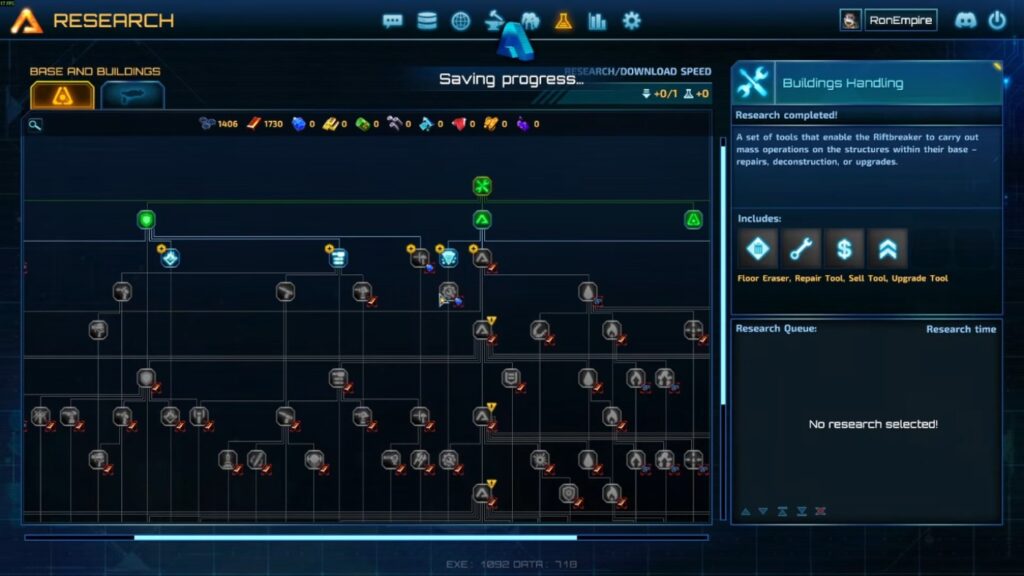
If you relied on one dominant strategy before, that’s no longer going to work. The update forces you to adapt and think more about your setup.
- Mixed defenses outperform single-strategy builds
- Mobility and positioning matter more
- Energy management becomes important
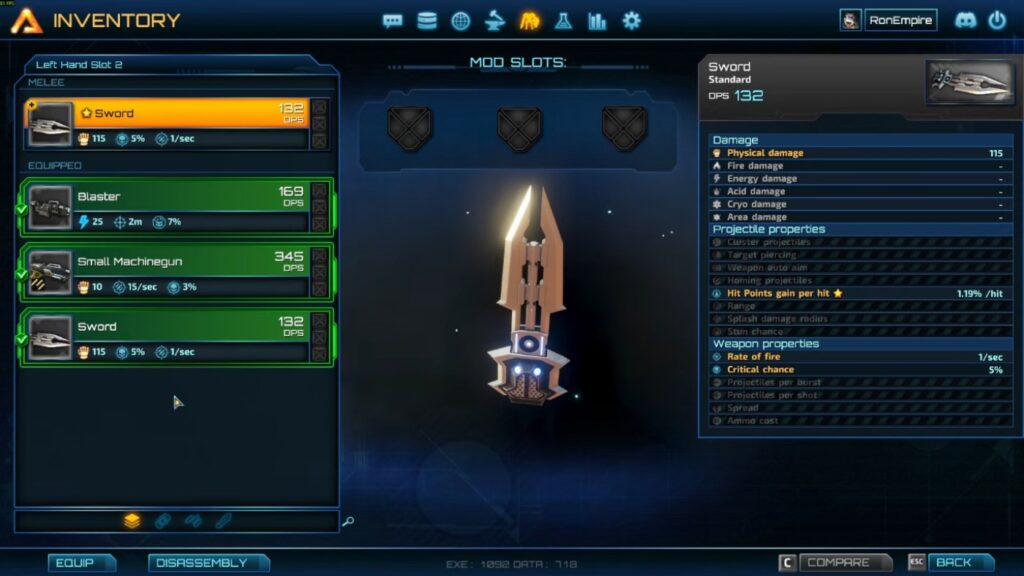
- Weapon switching is now meaningful
If you’re planning upgrades around games like this, start here: gaming PC upgrades that actually matter.
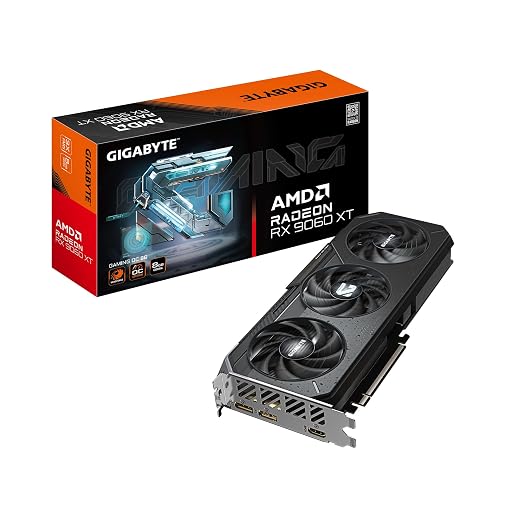
Here are 2 Great Graphics cards that will Handle Rift breaker Perfectly without Ruining you budget.

Community Reaction: Not Perfect
Most players agree that Riftbreaker 2.0 improves the game significantly, but it doesn’t fix everything.
- Co-op scaling can feel inconsistent at times
- Late-game still lacks long-term depth
- Some builds feel over-corrected
This reflects a broader trend discussed here: indie games vs AAA.
Is Riftbreaker 2.0 Worth Playing Now?
Yes, and this time it’s a confident recommendation. The update addresses the biggest issues from launch while keeping what made the game unique.
If you want to make sure your system is ready: test your gaming PC performance properly.
You can grab the game here: Riftbreaker on Steam
Quick Takeaways
- Pacing is fixed and feels natural
- Co-op is a major improvement
- Performance is better but still CPU-heavy
- Strategy matters more than before
- This is the best version of the game
FAQs
What is Riftbreaker 2.0?
A major update that improves gameplay flow, adds co-op, and improves performance.
Does it improve performance?
Yes, especially during large combat scenarios, though CPU-heavy moments remain.
Is co-op worth it?
Yes, it significantly improves the overall experience.
Do I need DLC?
No, the update is free.