
Updated 08/03/2026
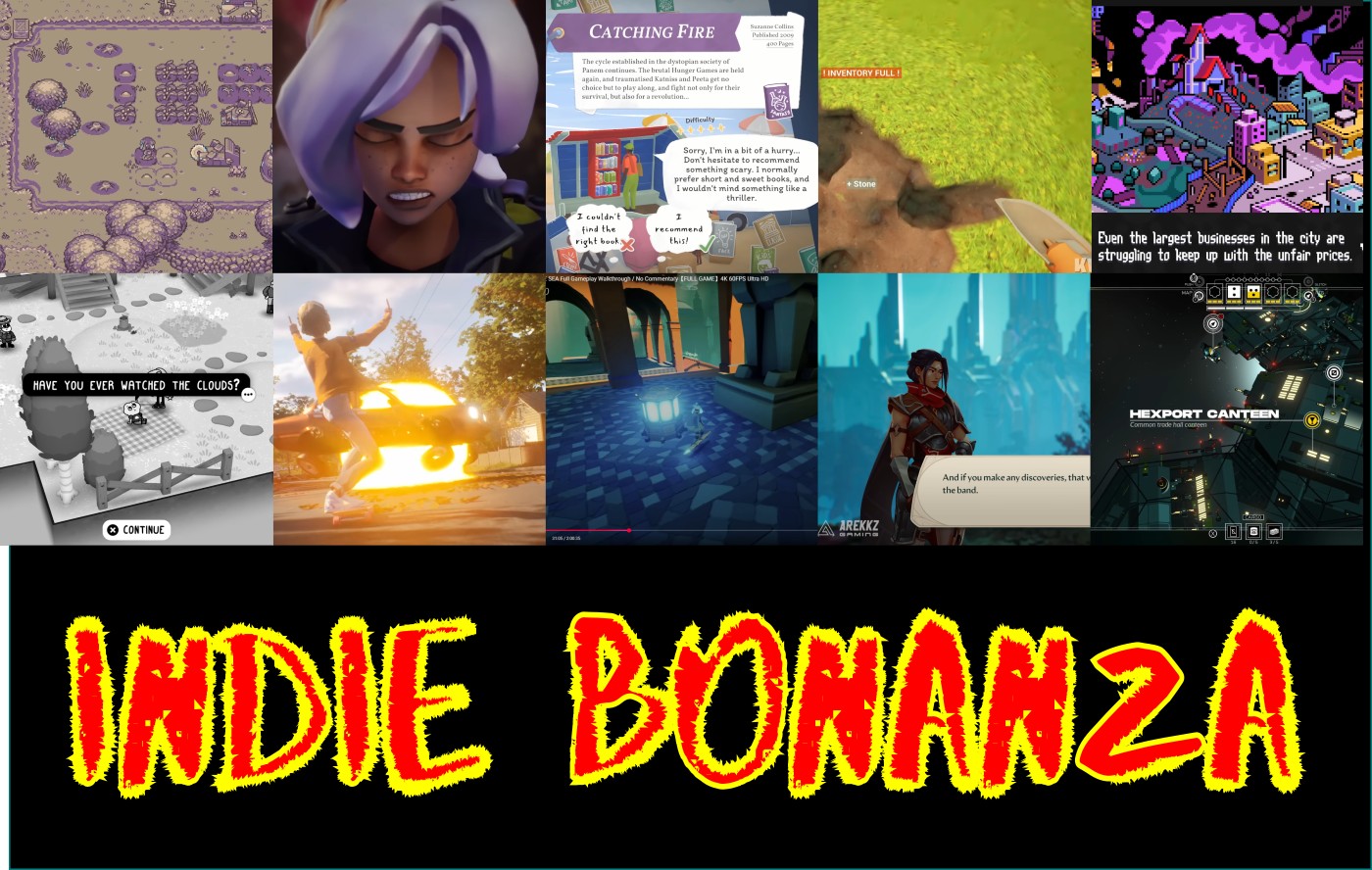
Hundreds of indie games launch every year. Most vanish within weeks. A few stick around because players keep recommending them long after the launch buzz fades.
This 10 Indie Games Still Worth Playing in 2026 list looks at indie games that proved they had real staying power. These are titles people kept talking about, replaying, and quietly adding to their backlog long after release week ended. If you want something creative, focused, and often more memorable than big-budget releases, these indie games are still absolutely worth playing in 2026.
If narrative-driven indies are your thing, you may also enjoy my guide to the best indie RPGs worth playing right now, where smaller studios continue to push storytelling far beyond typical AAA formulas.
Quick Picks: Indie Games Worth Playing
If you just want a fast recommendation, these are the standouts from this list depending on the type of experience you want.
- Best cozy indie: Tiny Bookshop
- Best narrative indie: Citizen Sleeper 2
- Most relaxing experience: Sword of the Sea
- Best retro-inspired game: Pipistrello and the Cursed Yoyo
- Most unusual concept: A Game About Digging a Hole
Tiny Bookshop: Cozy capitalism at its sweetest
Tiny Bookshop looks simple on the surface. You run a tiny traveling bookstore along a peaceful coastline, organizing shelves, recommending books to customers, and slowly building a small community around your shop. But the charm of the game comes from its atmosphere and pacing rather than complex systems.

The game leans heavily into cozy design. Instead of pressure or optimization, it focuses on conversations, exploration, and the small joy of helping someone discover the right book. That relaxed loop is exactly why players kept returning to it months after launch.
If you enjoy slower indie games like narrative life sims or gentle management titles, Tiny Bookshop remains one of the most relaxing experiences released in recent years.
Moments like this highlight the difference between indie creativity and blockbuster design, something explored further in my breakdown of indie games vs AAA development philosophies.
Wanderstop: Tea, trauma, and healing
Wanderstop surprised a lot of players because it blends emotional storytelling with the simple act of running a tea shop. Instead of traditional progression systems, the game revolves around conversations, personal reflection, and learning to slow down.

The reason Wanderstop kept gaining attention after launch is its tone. Many players expected a cozy shop simulator but discovered a deeper narrative about burnout, identity, and recovery. The writing carries the experience, supported by warm visuals and a relaxing gameplay loop.
It is a reminder that indie games often succeed because they are willing to explore emotional themes that larger studios rarely touch.
A Game About Digging a Hole: Viral simplicity that works
Sometimes an indie game becomes popular simply because it commits completely to one idea. A Game About Digging a Hole does exactly what the title suggests, and that commitment is strangely addictive.

The gameplay loop is minimal but satisfying. You dig deeper, discover hidden objects, and slowly expand the strange underground world beneath you. What started as a novelty became a viral hit thanks to streamers and players sharing their bizarre discoveries.
It proves something indie developers understand well: if a simple idea is polished enough, it can become incredibly compelling.
This kind of simple but addictive gameplay loop is exactly why some games refuse to fade away, something I explored further in PC gaming’s timeless loop games that refuse to die.
Pipistrello and the Cursed Yoyo: Retro done right
Pipistrello and the Cursed Yoyo looks like it came straight out of the golden age of 16-bit platformers. But underneath the nostalgic presentation is a modern design philosophy that keeps the experience fresh.

The yo-yo mechanic is the star of the game. It acts as both a combat tool and a movement mechanic, letting players bounce, swing, and attack in creative ways. Levels are packed with secrets and clever platforming challenges that reward experimentation.
Retro-inspired indie games are common, but Pipistrello stands out because its gameplay systems feel purposeful rather than nostalgic for nostalgia’s sake.
Neverway: Stardew’s creepy cousin
Neverway mixes familiar farming RPG elements with psychological horror. On the surface you are tending crops, building relationships, and exploring a small town. Beneath that calm exterior, the world slowly becomes unsettling.

This contrast between comfort and dread is exactly what made Neverway memorable. Players expecting a traditional farming game quickly realized something darker was unfolding beneath the surface.
If you enjoy RPG-style indie games but are playing on weaker hardware, you may also want to check out these best free RPGs for low-end PCs that still deliver surprisingly deep gameplay.
It is one of those indie titles that proves genre mixing can create something genuinely new.
Toem 2: Snapshots of wonder
Toem 2 continues the photography-driven exploration that made the original game special. Instead of combat or fast action, the game revolves around solving small puzzles by observing the world through a camera lens.

The black-and-white art style gives the world a unique personality, and the relaxed pacing encourages curiosity. Players wander through charming environments, helping characters and discovering small secrets along the way.
It is a reminder that not every great game needs combat systems or intense mechanics.
Mixtape: Coming of age with the volume up
Mixtape blends music, storytelling, and nostalgic teenage memories into a narrative adventure that feels almost like an interactive film.

The game moves through different moments in a group of friends’ lives, each accompanied by music that shapes the emotional tone of the scene. The result feels less like a traditional game and more like stepping into a memory.
That emotional approach is exactly why Mixtape stayed on players’ radar long after its release window.
Sword of the Sea: Surfing into serenity
Sword of the Sea captures a sense of movement that few games achieve. Players glide across vast landscapes on a mystical surfboard-like blade, restoring life to desolate environments.

The game focuses on flow and visual spectacle rather than combat. Much like Journey or Abzû, the experience emphasizes exploration and atmosphere.
It is one of those indie games that players return to simply because moving through its world feels so satisfying.
Eternal Strands: Big indie ambition
Eternal Strands shows what happens when indie studios aim for a larger scale. The game blends action combat, physics-driven mechanics, and cinematic storytelling into something that feels closer to a full AAA experience.
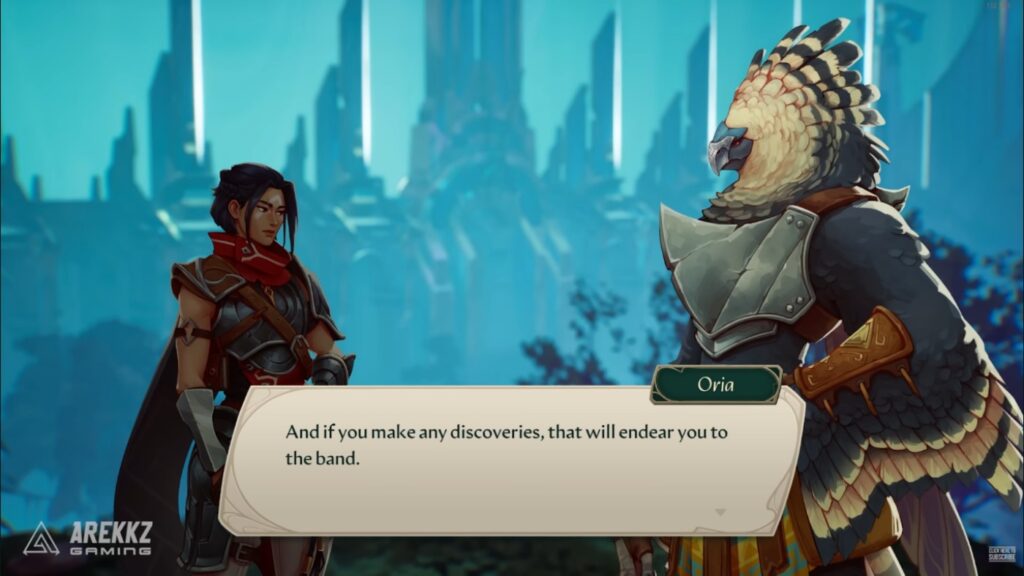
What makes it stand out is the interaction between the environment and combat abilities. Players can manipulate elements like ice and fire to influence battles and puzzles.
It proves that ambitious indie projects can compete with larger productions when their systems are designed thoughtfully.
Citizen Sleeper 2: Starward Vector
Citizen Sleeper 2 continues the dice-driven narrative RPG system that made the original game so compelling. Players navigate life on a struggling space station, making difficult decisions about survival, loyalty, and identity.

The writing remains the core strength of the series. Each decision shapes relationships and story outcomes, making the experience feel deeply personal.
If you enjoy narrative RPGs with meaningful choices, Citizen Sleeper 2 remains one of the strongest indie storytelling experiences available today.
How These Indie Games Actually Run on Real PCs
One advantage of many indie games is that they tend to be lighter on hardware requirements than large AAA releases. Most of the games on this list run comfortably on mid-range systems and often perform well even on older PCs.
If your indie games still feel choppy despite low system requirements, the problem may be engine-related stutter rather than raw hardware limits. This guide explains why games stutter on low-end PCs and what actually causes it.
Titles like Citizen Sleeper 2 and Toem 2 are extremely lightweight and run well on integrated graphics. Games such as Eternal Strands are more demanding because of their physics systems and larger environments, but they are still far less punishing than modern blockbuster games.
If you experience performance problems in indie titles, the cause is often engine-related stutter or background system issues rather than raw hardware limits. If that happens, guides like Why Games Stutter on Low-End PCs or CPU or GPU Problem During Gaming can help you track down the issue.
Not sure whether your processor or graphics card is holding performance back? This quick guide explains how to tell if your CPU or GPU is the problem during gaming.
BTF Quick Takeaways
- Cozy games continue to grow: Titles like Tiny Bookshop and Wanderstop prove relaxing indie experiences are still hugely popular.
- Simple ideas still work: A Game About Digging a Hole shows that a focused concept can become surprisingly addictive.
- Retro design remains strong: Pipistrello demonstrates how modern mechanics can enhance classic gameplay styles.
- Indie ambition is increasing: Games like Eternal Strands show how far indie development has evolved.
Why These Indie Games Are Still Worth Playing
Indie games often fade quickly after launch, but the titles on this list proved they had something more. Players kept recommending them months after release because their ideas, storytelling, and gameplay loops remained memorable.
If you are looking for creative experiences outside the usual AAA formula, these indie games remain some of the best options available in 2026.
If you enjoy indie creativity but are playing on older hardware, this list of free games that run on extremely low-end PCs is another great place to find hidden gems.
While you are exploring indie games, you might also enjoy Best Indie RPGs or the comparison between Indie Games vs AAA. If you are playing on older hardware, check out Free Games for Garbage PCs for more lightweight recommendations.
For a broader indie ecosystem, you can also explore Steam’s indie catalog, Nintendo Indie World, or the Xbox Game Pass indie library.
And if you want to see what else is coming to PC this year, keep an eye on my regularly updated list of the best new PC games worth watching.