

Updated 12/02/2026:
Atomic Heart is the kind of game that looks like a masterpiece in screenshots, then opens its mouth and immediately starts a fight. It’s stunning, punchy, weird, and sometimes genuinely brilliant, but it also can’t decide what tone it wants, what story it’s telling, or whether it’s a horror shooter or a comedy routine delivered by a sarcastic glove. Our Atomic Heart Review Exposes it all!
If you’re here because you’re asking the real question, “Is Atomic Heart worth playing on PC in 2026?”, this is the honest answer: yes, if you can tolerate the whiplash. If you want a clean, tightly written sci-fi shooter with consistent pacing and dialogue that does not make you sigh every five minutes, you might bounce off hard.
Quick Verdict
Best for: Players who love stylish single-player shooters with strong combat feel, and don’t mind narrative chaos.
Not for: Anyone sensitive to tonal whiplash, awkward dialogue, or stop-start pacing.
If you like: BioShock vibes, weird sci-fi, upgrade-heavy FPS gameplay, alt-history worlds that go off the rails.
Expect: Great gunplay, gorgeous environments, occasional frustration, and a talking glove you may want to mute.
My take: A 9/10 world trapped inside a 6/10 story, narrated by a glove that thinks it’s funnier than it is.
What Even Is Atomic Heart, and Why Is Everyone Yelling?
Atomic Heart is an alt-history sci-fi FPS set in a USSR that basically speedran robotics and AI by the 1950s. It opens with a slick, utopian showcase, floating cities, clean tech, smiling propaganda energy, then the whole thing collapses into a nightmare within minutes. You play as Major Nechaev (P-3), a government enforcer with memory issues, anger issues, and a personality that sometimes feels like it was recorded in a single take right before lunch.
The setting is the main reason people keep talking about this game. It’s bold. It’s confident. It’s visually loaded with details that make you stop and stare. Robo-ballerinas, sentient slime, factories that feel alive, sterile labs that rot into body horror. If you’re into PC shooters with strong style, it belongs in the same conversation as the best genre picks we’ve covered in our best FPS games for PC list.
But it’s also impossible to separate Atomic Heart from the noise around it. The game launched under a cloud of controversy and debate, and it still sparks arguments now. Some players see it as edgy sci-fi with no real-world intent. Others are uncomfortable with the optics, the vibe, and the way it flirts with themes without committing to a stance. If you want a snapshot of how divided people were, the old review thread is still a good time capsule: Atomic Heart review thread on Reddit.
Here’s the simplest way I can put it: Atomic Heart is confidently designed and inconsistently written. That’s the identity crisis in one sentence.
Combat Feels Great, Until It Doesn’t
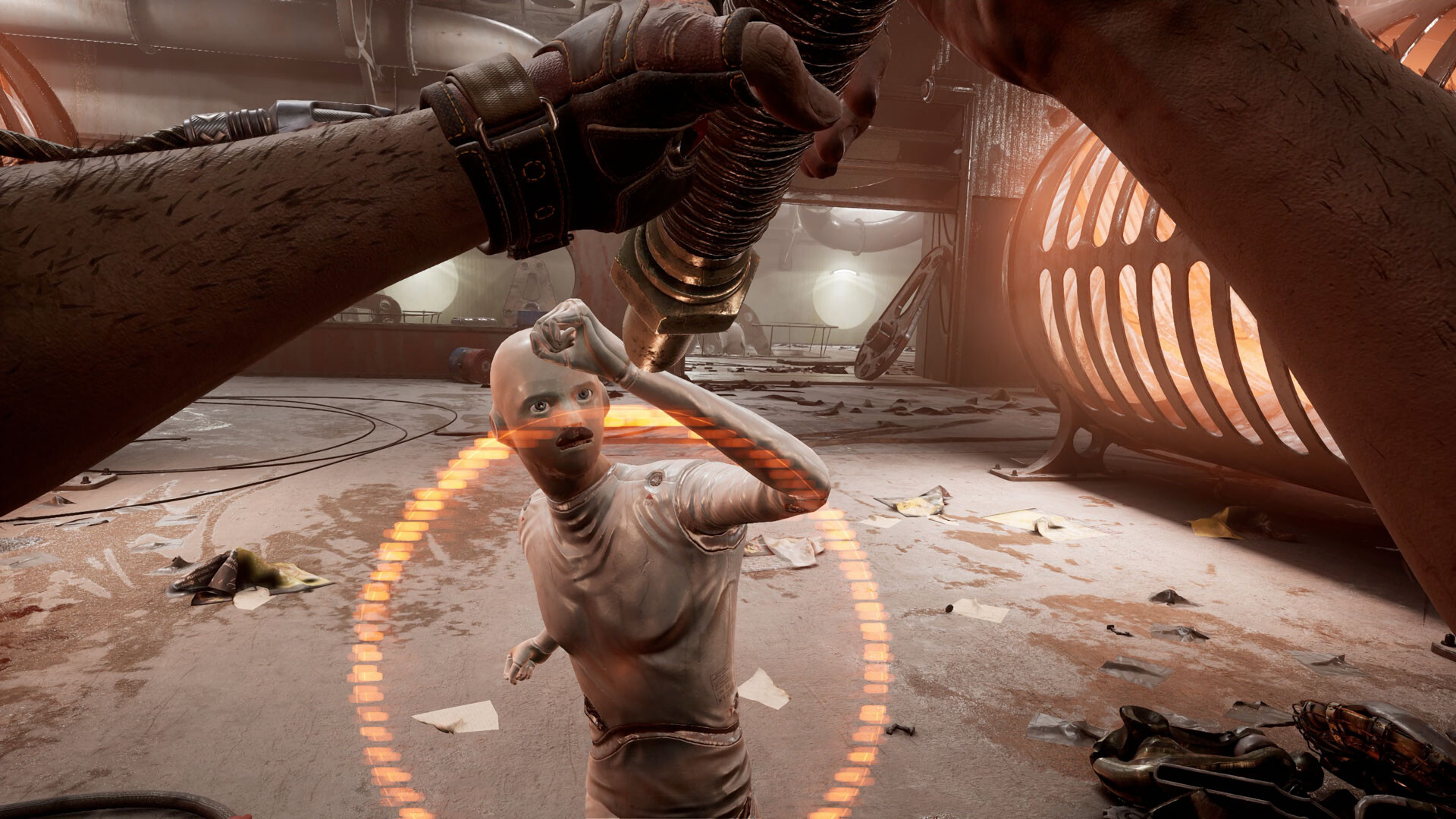
When Atomic Heart is in full combat mode, it’s genuinely fun. The gunplay feels weighty and responsive, and the melee has impact without feeling floaty. You’ve got a mix of ballistic weapons, upgrade paths, and glove powers that let you shock, freeze, or toss enemies around like you’re rage-cleaning a room.
At its best, it’s that perfect FPS loop: freeze a rushing robot, shatter it with a heavy swing, swap to a shotgun, and keep moving. Enemy designs are memorable too, ranging from humanoid nightmares to biomechanical blobs that look like they escaped a very stressed-out art team’s sketchbook.
Boss fights are the big spectacle moments. Some land beautifully. Some are more “cool concept, awkward execution.” The ballerina twins are the poster children for Atomic Heart in general: visually unforgettable, mechanically mixed, and weirdly iconic anyway.
Now the downside, because it’s not a small one. The pacing can be messy. You’ll get stretches that feel like a fast, angry shooter, then the game slams the brakes with puzzles, fetchy objectives, or layouts that make you backtrack like you missed a keycard in 2004.
Enemy AI is also inconsistent. Sometimes they’re aggressive and coordinated. Sometimes they act like they’re stuck on furniture and you’re doing them a favor by ending the fight. Checkpoints can be stingy too, which is fine when the section is well designed, and miserable when it isn’t.
Still, if your main goal is “give me a weird shooter with satisfying combat,” Atomic Heart can absolutely scratch that itch.
Let’s Talk About That Glove (and Its Cringe Humor)
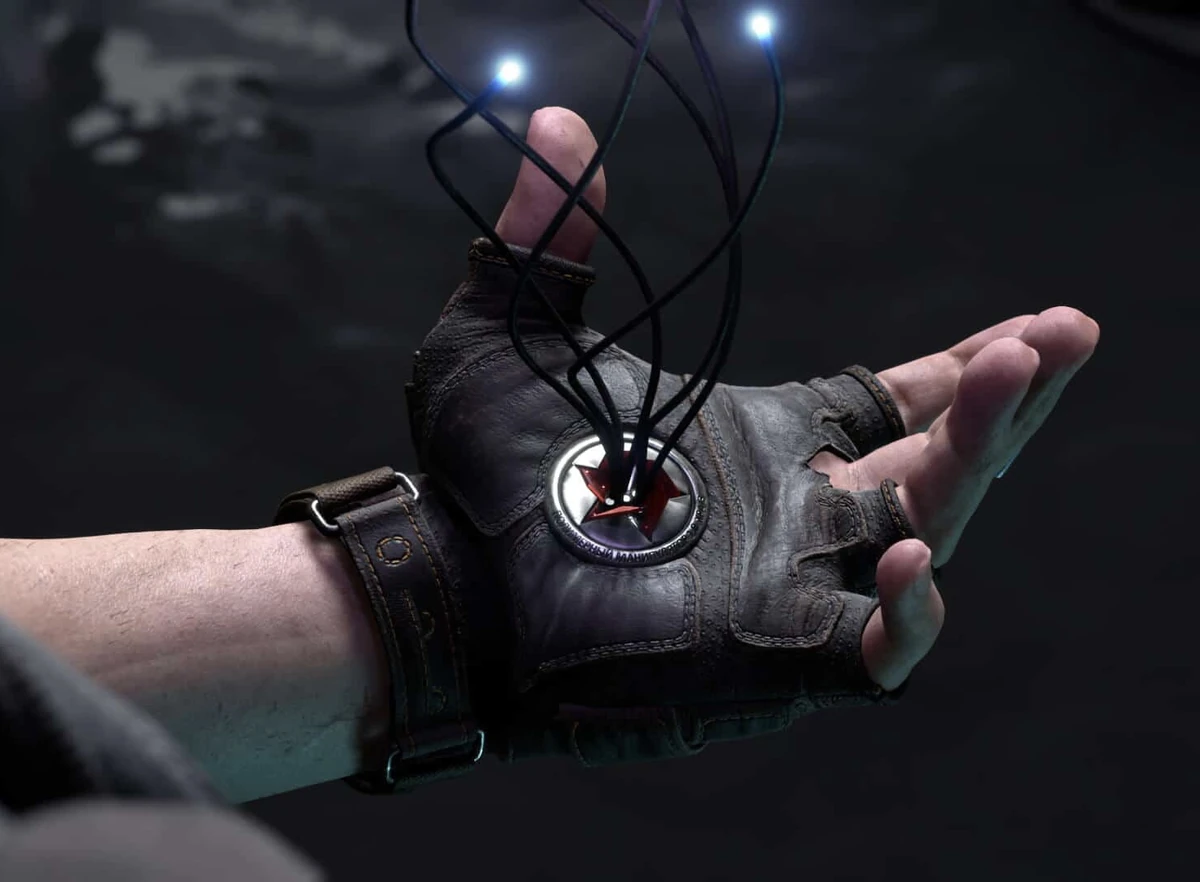
CHAR-les, the talking glove, is the most divisive character in the game. Not because he’s deep. Not because he’s complex. Because he refuses to stop talking, and a decent chunk of that talking is the kind of “edgy” humor that lands like a wet sock.
In theory, he’s your companion and your systems guide. He handles upgrades, explains mechanics, and feeds you lore. In practice, he’s also a constant stream of sarcasm, commentary, and jokes that clash with the atmosphere the game is trying to build. You’ll be creeping through a lab that’s clearly meant to feel tense, then the glove tries comedy, and the mood dies on the spot.
Some players love it. Others mute dialogue to preserve their sanity. That’s not even a meme, it’s a real pattern you’ll see in player discussions and reviews.
The tonal clash is the issue. Atomic Heart wants to be unsettling sci-fi horror, then it swings into goofy banter, then it swings back into philosophical monologue. The glove is basically the loudest contributor to that identity crisis.
If you’re the kind of player who values atmosphere, you may end up treating CHAR-les like a setting you can reduce, not a character you enjoy.
When Gorgeous Graphics Can’t Save the Story

Atomic Heart looks absurdly good. Lighting, texture work, interiors, environments, it’s one of those games that makes you stop and stare at the background like you’re touring a museum. It has a strong visual identity and it commits to it, which is why the world feels so memorable.
Unfortunately, the writing doesn’t match the production value. The story starts with intrigue, memory loss, rogue science, ethical questions, and a world that clearly has secrets worth digging into. Then it starts wobbling. You get long exposition bursts. Characters who appear, speak in vague riddles, then disappear. Dialogue that feels clunky. And a protagonist who can be hard to connect with because he’s written as “angry and confused” for huge stretches of the game.
The lore is not empty, there’s real effort here. You can feel a deeper universe under the surface. But the delivery is messy, and the tone keeps shifting. It wants to be profound, then it undercuts itself with jokes, then it tries to be profound again, and by the end you’re either fully onboard with the chaos or you’re mentally checking out.
That’s why the game sticks with people. It’s not forgettable. It’s just not clean.
Atomic Heart Strengths vs Weaknesses
| Category | Strength | Weakness |
|---|---|---|
| Visuals | Top-tier art direction, lighting, and world detail | Can hide gameplay clarity in busy scenes |
| Combat | Weighty gunplay, satisfying powers, good upgrade loop | Pacing interruptions and occasional AI weirdness |
| Story | Interesting world and lore foundation | Inconsistent tone, clunky dialogue, confusing beats |
| Atmosphere | Unique, memorable, and unashamedly weird | Undercut by constant banter and awkward humor |
How Atomic Heart Behaves on Real PCs
This is the part most reviews gloss over, and it matters. Atomic Heart is a good-looking game with a lot going on visually, so how it behaves on real hardware depends heavily on your GPU, your settings, and how sensitive you are to stutter.
High-level performance reality:
- Mostly GPU-heavy: Lighting, reflections, dense interiors, and effects can push mid-range GPUs harder than you’d expect.
- Frametime spikes can happen: Some areas and transitions can feel smooth, then hitch briefly when the game streams new content.
- Upscaling helps a lot: If you have access to DLSS or similar options, it can smooth the experience without destroying image quality.
- CPU matters less, until it does: Busy fights and complex areas can still punish weaker CPUs, especially if you’re trying to hold high FPS consistently.
- Patch improvements are real: The game is generally more stable than it was at launch, but your mileage still varies by rig and settings.
If you want the practical performance angle without turning this review into a troubleshooting manual, your best move is to use a testing baseline and watch frametimes. Start with our guide on how to test gaming PC performance, and if you’re fighting stutter on a capable rig, this breakdown is worth keeping bookmarked: why games stutter on a high-end PC.
Atomic Heart is not the “worst optimized game ever,” but it is the kind of game where frametime stability matters more than raw average FPS. If it feels good, it’s great. If it hitches, it ruins the flow.
The Community Verdict: Hate-Watch or Hidden Gem?

Atomic Heart has one of those community footprints that screams “cult game.” You’ll find people calling it a masterpiece, and you’ll find people calling it a gorgeous waste of potential, and somehow both groups have valid points.
The most common pattern goes like this:
- Everyone agrees it looks incredible.
- Most people like the combat systems.
- Opinions split violently on the writing and the glove.
If you want to see the full range of reactions in one place, the same Reddit thread still captures the chaos well: Atomic Heart review thread.
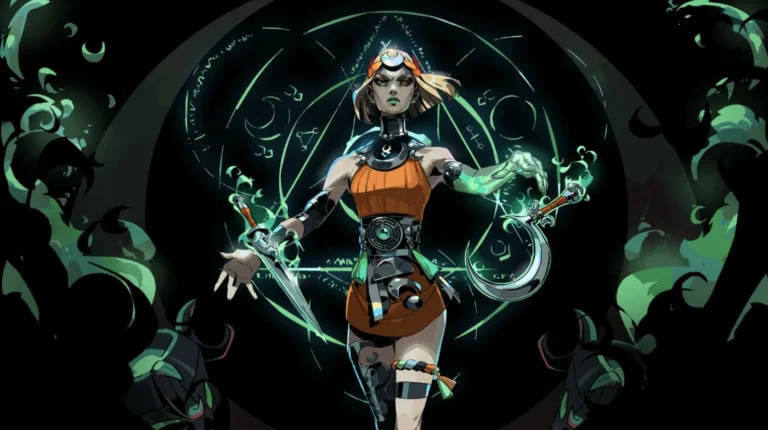
Also, if you’re into games that are polished in design rhythm even when they get intense, compare it to something like Hades II, which is basically the opposite of Atomic Heart’s “cool ideas glued together at speed”: Hades II review.
Is Atomic Heart Worth Playing in 2026?
Yes, with caveats.
Play it if you want a stylish, weird FPS with satisfying combat, a world that feels distinct, and visuals that are still impressive in 2026. If you enjoy games that feel like they take big swings, even when they miss, Atomic Heart has that energy in spades.
Skip it if you need strong narrative cohesion, consistent tone, or dialogue that respects the mood. If the idea of an AI companion cracking jokes while the game tries to be tense makes you tired already, trust that instinct.
My personal recommendation is simple: treat it like a shooter-first experience. Let the world carry you. Enjoy the fights. Expect story weirdness. If you do that, you’ll probably have a good time.
If you want more shooter options that understand pacing and don’t insist on talking over every moment, go browse our updated list of top FPS picks for PC.
And if you want a different kind of “love it or hate it” complexity, we also dug into how friction and mastery shape games in our Dota 2 learning curve piece.
Sources
External sources: PC Gamer review | Steam store page | Reddit review thread
What a good article, it was helpful and I bought the game and it was very good.