
Indie games vs AAA isn’t a cute underdog story anymore, it’s the reality of modern PC gaming. While mega-publishers like Electronic Arts and Ubisoft keep doubling down on safe sequels, smaller studios are shipping punchier ideas, tighter design, and games that actually respect your time. When a one-person project can outsell or out-hype a committee-built blockbuster, that isn’t an accident, it’s a shift.
Indie Games Vs AAA’s And Safe Bets Are Getting Boring
We all know the pattern: sprawling open worlds that feel like checklists, season passes that promise “content” instead of ideas, and marketing that leans on ray tracing and 4K HDR to cover thin design. There’s polish, sure, but the risk-taking is on life support. When spectacle becomes the headline, creativity quietly leaves the room.
And no, slapping a path-traced mode on top doesn’t turn repetition into innovation. As we’ve said before, ray tracing isn’t magic, it’s just expensive lighting. Visual tech can elevate a great game, but it can’t rescue a dull one. If your headline features are photo modes, cosmetics, and a new battle pass tier, players notice the creative gap.
Indie Innovation Is the New Standard
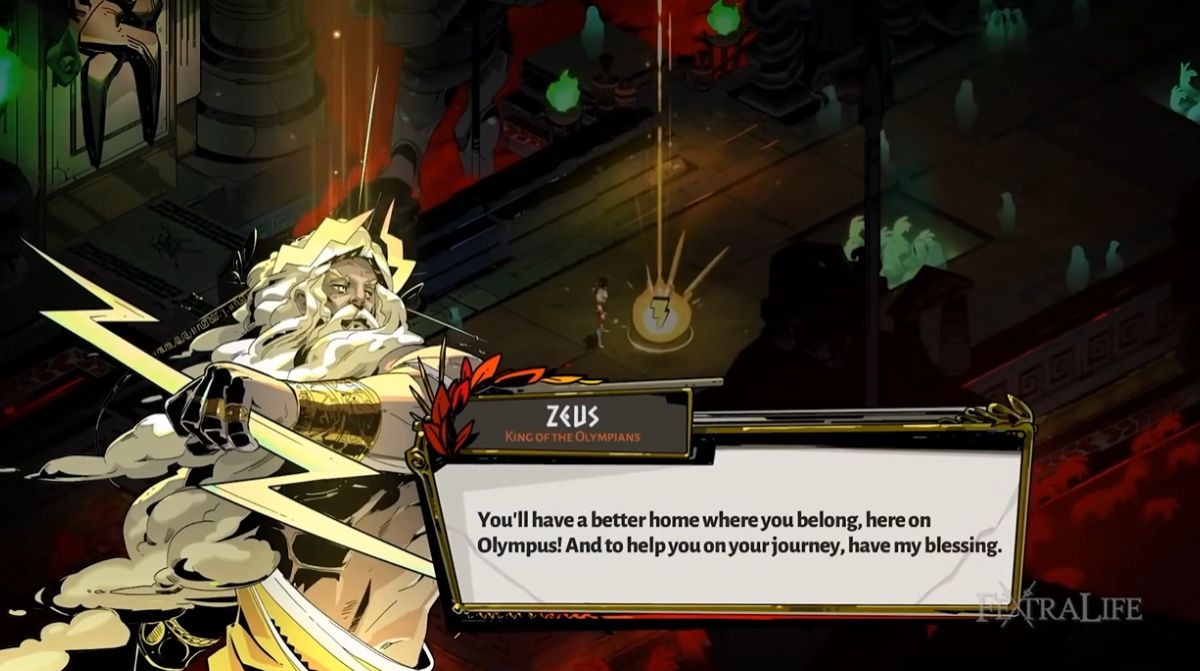
Indie games thrive because they choose a clear vision and execute it hard. Tight loops. Strong identities. No death by committee. Look at how games like Hades or Stardew Valley keep surprising players, not because they’re expensive, but because they’re focused. They know what they are and cut everything that doesn’t serve that goal.
Want examples to binge? Start with narrative-forward RPGs and action hybrids that punched far above their weight. We’ve rounded up a bunch in our best indie RPGs list. Notice the pattern: fewer systems, better systems; fewer hours, better hours. This is the “low budget, high quality games” era, and players are voting with their wallets and wishlists.
Even on release calendars, indie games vs AAA isn’t a fair fight. Indie titles keep stealing thunder because they arrive with clarity instead of corporate hesitation. Many of the most exciting new PC games each year aren’t mega-budget tentpoles, they’re smart, fast, and built by teams that knew exactly what they wanted to be.
Tools That Leveled the Playing Field
Distribution and development have never been more accessible. Engines like Unreal Engine, Unity, and Godot Engine, paired with storefronts like Steam and itch.io, let tiny teams reach a global audience without begging for shelf space or publisher approval.
This shift didn’t just make development cheaper, it made it faster and more honest. Developers can test ideas in public, iterate based on real feedback, and ship updates without waiting on layers of approval. The distance between idea and player has never been smaller, and that feedback loop is where most indie magic is born.
Community spaces close the gap even more. If you want to see game design in motion, the conversation around indie games vs AAA lives in places like r/IndieDev. Devlogs, prototype clips, feature debates, it’s messy, transparent, and productive. Compared to the “we’ll see you in three years” PR cycles of big publishers, it feels refreshingly human.
When AAA Tries to Copy Indie… and Fails
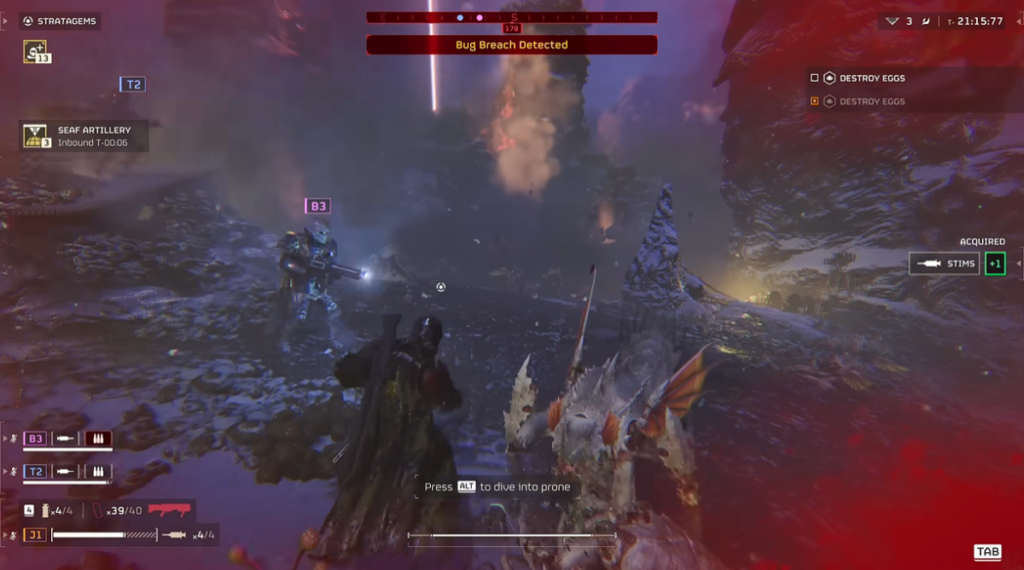
Trends start small, then get strip-mined. The problem is that imitation usually copies the surface, not the soul. You can graft procedural generation or a roguelite loop onto anything, but if the core fantasy and friction aren’t there, the result feels like a costume. When Ubisoft tried roguelike offshoots or Blizzard flirted with survival-crafting inside long-running franchises, the systems were present, but the spark wasn’t. By the time a massive studio ships its “me too” feature, the indie space has already moved on to the next experiment.
Meanwhile, some AAA efforts put more energy into infrastructure than play. Anti-cheat, server tech, and live ops matter, nobody likes a lobby full of aimbots, but it’s telling when the biggest “innovation” is below the hood. We broke that tradeoff down in our look at Battlefield’s Javelin kernel-level anti-cheat. Necessary? Probably. Exciting? Not exactly.
At the same time, some AA studios punch far above their weight by aiming higher than their budgets suggest. Kingdom Come Deliverance 2 is a perfect example of how ambition, focus, and confidence can create something that feels bolder than most billion-dollar franchises.
The Secret Weapon: Creative Freedom
What makes an indie game successful more often than not is clarity. One big idea, executed with taste, and shipped while it’s still hot. Hollow Knight nailed its combat-exploration flow before shipping, and Disco Elysium doubled down on narrative depth before release. These aren’t “happy accidents”, they’re the byproduct of freedom.
That freedom creates the kind of “aha” moments players talk about months later. The runs, builds, and story reveals that feel authored yet surprising. It’s the opposite of bloat: decisions you can actually feel.
But Let’s Be Real: Indies Have Challenges
Discoverability is brutal. Steam launches are a firehose, and most titles vanish without a ripple. Funding is fragile, marketing eats dev time, and early access can cut both ways. Even critical darlings like Outer Wilds needed a spark, awards buzz from The Game Awards and strong word of mouth to hit escape velocity.
Still, the pipeline keeps producing because the incentives are aligned. In the indie games vs AAA race, making something specific and excellent means players will eventually find it. The upside for a small team is life-changing, the downside is a short fall. That risk profile breeds better bets.
Why This Matters for PC Gamers
PC is home base for indies: open platforms, modding culture, and communities that amplify clever design. You don’t need a high-end rig to get in on it either, there are plenty of brilliant options on modest hardware. If you’re riding an older GPU, start here: free games for low-spec PCs. Indie design prioritizes iteration over tech arms races, which means more games run great on everyday machines.
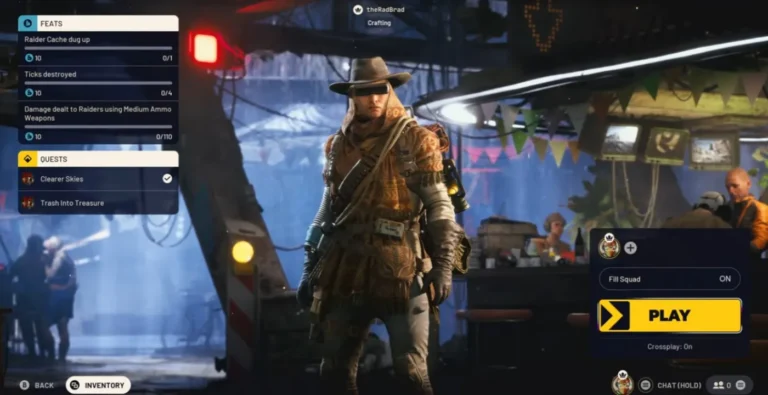
You don’t always need a billion-dollar budget to shake up a meta. FragPunk’s Season 2 Chapter 2 shows how an ambitious indie can drop a mode that feels more innovative than what most AAA shooters push out in a year.
New to the scene or just genre-curious? We keep a simple guide that maps tastes to styles, from tactical to cozy to crunchy sims. Hit our PC gaming genres for beginners to find a lane you’ll actually stick with.
Define “Indie”: What It Really Means Today
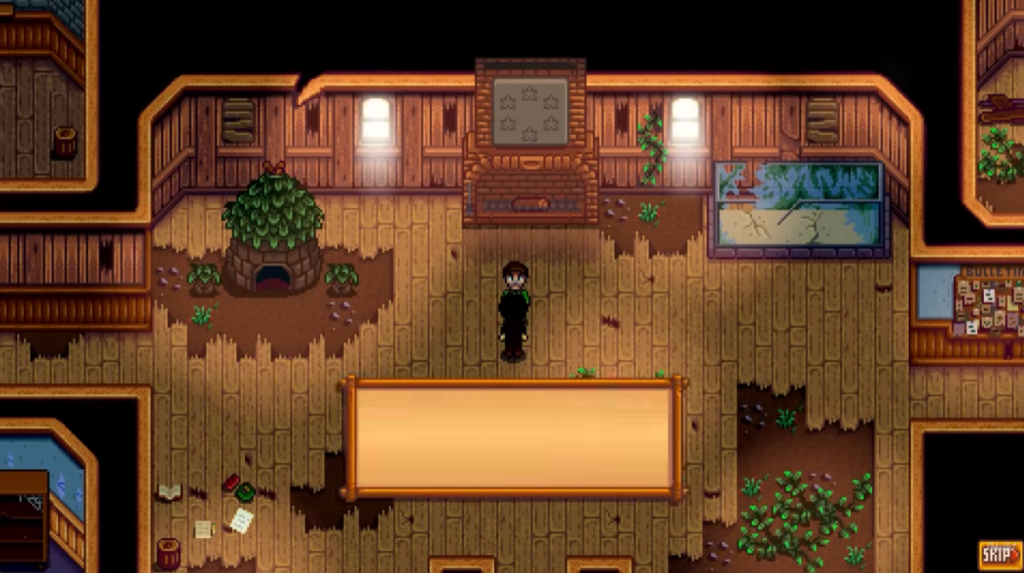
Definitions get fuzzy fast. “Indie video games” once meant “no publisher.” Today, it’s more about control: creative ownership, flexible scope, and budgets that don’t require mass-market compromises. That’s why you’ll see publisher-supported projects still read as “indie”. The authorship is intact, the vision is coherent, and the waterfall of approvals isn’t flattening the edges.
On the other side, studios like Larian Studios scaled from indie roots to ship Baldur’s Gate 3 without losing that authored feel, a very different path than corporate-controlled juggernauts like Activision Blizzard.
If you’re here for strict labels, good luck. Players recognize indie by feel. It’s the confidence to be specific.
Our Indie Releases Gaining Momentum list shows exactly which games proved creativity beats budget.
Where the Industry Is Heading
Even industry legends like John Romero have said the quiet part out loud: the future belongs to teams that can move quickly and deliver new ideas. Conferences and showcases increasingly treat independent developers as the R&D lab of the medium, including indie spotlights at PAX.
Indie Games vs AAA: What Players Actually Feel
- Playtime quality over quantity: you finish more runs, builds, and campaigns that feel intentional.
- Fewer chores, more choices: less map clutter, more meaningful decisions.
- Faster iteration: updates and balance patches that respond to real player behavior.
- Price sanity: fair pricing, generous demos, and early access that earns trust.
Quick Takeaways
- AAA polish can’t hide stale design forever, players notice.
- Indies win by committing to one strong idea and cutting everything else.
- Modern tools and storefronts erased old gatekeepers, shipping is democratized.
- Copycat AAA trends miss the point, you can’t clone taste.
- PC remains the best ecosystem for discovering, modding, and supporting indies.
BTF’s Conclusion
The headline isn’t hyperbole: indie games vs AAA isn’t a rivalry, it’s a rewrite. Indies aren’t nibbling at the edges, they’re setting the pace, redefining value, and reminding everyone that good design beats big budgets. AAA can catch up if it wants to, but that means taking real risks again, not just selling prettier reflections. Until then, the most exciting ideas are coming from small teams with sharp taste and the freedom to use it.
Want to broaden your diet? Start with a genre you already like, try one indie within that lane, and let the rabbit hole do its thing. If you need a map, our genre guide for beginners and the latest best new PC games will keep you busy.
FAQs
What is an indie game, exactly?
Practically, it’s a game where creative control stays with a small, autonomous team, often self-funded or lightly published. The budget matters less than the ownership and focus. Even awards circuits like The Game Awards recognize this with dedicated categories.
Why are indie games better at innovating?
Shorter feedback loops and fewer stakeholders. A small team can pivot in a week; a giant publisher might need a quarter just to schedule a meeting. That speed is why indie ideas often land first, and why the best teams can iterate while the hype is still alive.
How hard is it to make an indie game?
Brutally hard. Code is the easy part compared to art, audio, production, marketing, QA, and community management. The upside is that modern tools remove a lot of friction, which is why engines like Unreal, Unity, and Godot, paired with distribution on Steam, make it possible for tiny teams to ship worldwide.
What makes an indie game successful?
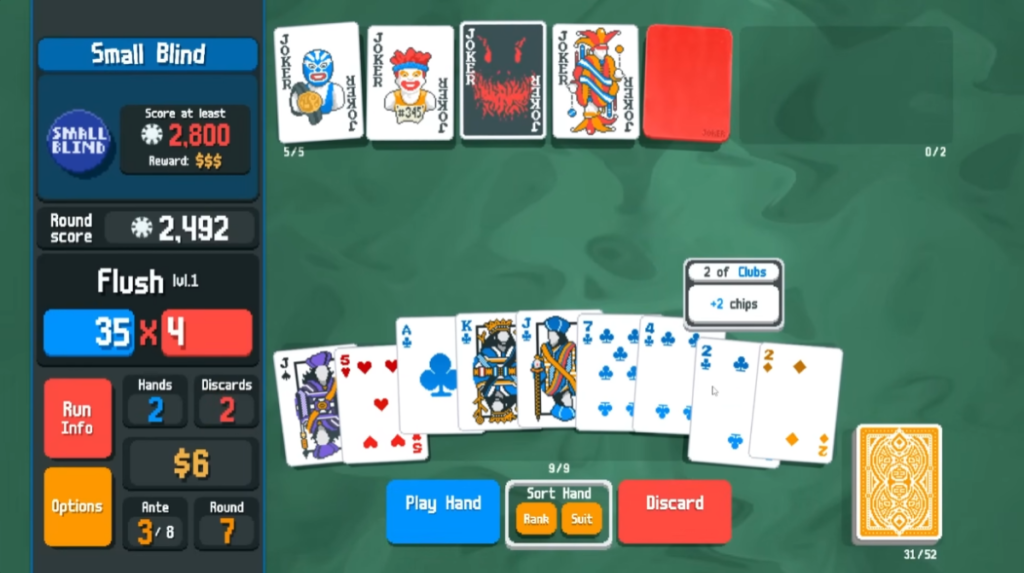
A specific hook (mechanic, theme, or loop), strong onboarding, and updates that respect player time. Hype helps, but retention is earned. Balatro is a good example of a clear loop executed so well it turns into “one more run” addiction.
Do I need a high-end PC to play indie games?
Usually not. Many run great on modest hardware, and there are loads of excellent titles that play well on older rigs, see our roundup of free games for low-spec PCs.
After Your Read!
If you’ve got a favorite recent indie that deserves more love, drop it in the comments and tell us why it works. What did it do that you wish AAA would stop ignoring?